Choosing the Right Lighting for Each Room
Lighting is one of the most transformative elements of interior design, yet it is often the most overlooked aspect of a home renovation or move. For homeowners in East Canton, the right lighting does far more than simply illuminate a dark corner; it influences the mood of a room, enhances the functionality of a workspace, and highlights the architectural details that make a house a home. A poorly lit room can feel cramped, cold, or even induce eye strain, whereas a thoughtfully designed lighting plan can make a space feel expansive, warm, and inviting.
To achieve the perfect balance, one must understand the three fundamental layers of lighting: ambient, task, and accent. Ambient lighting provides the overall illumination for a room, task lighting focuses on specific areas where activities like cooking or reading take place, and accent lighting adds drama by highlighting art or structural features. Gragg Electrical Services works with homeowners to integrate these layers seamlessly, ensuring that every room in the house is equipped with a system that is as beautiful as it is efficient.
The Science of Color Temperature and Brightness
Before selecting fixtures for specific rooms, it is essential to understand the technical side of light, specifically color temperature and lumens. Color temperature is measured in Kelvins and describes how warm or cool the light appears. Lower numbers, such as 2700K, produce a soft, yellowish glow similar to traditional incandescent bulbs, which is ideal for relaxation. Higher numbers, like 5000K, produce a crisp, blue-white light that mimics daylight, which is better for concentration and detail-oriented work.
Brightness is measured in lumens rather than watts. While watts measure how much energy a bulb consumes, lumens measure the actual light output. When planning a room, you must calculate the total lumens required based on the square footage and the room’s primary purpose. A kitchen requires significantly more lumens per square foot than a bedroom because of the precision required for food preparation. By understanding these metrics, you can avoid common mistakes like installing harsh, clinical lights in a nursery or dim, inadequate lights in a home office.
The shift toward LED technology has made these choices even more critical. Modern LEDs offer a vast range of color temperatures and are often dimmable, allowing for incredible flexibility. However, not all LEDs are created equal, and some may flicker or hum if they are not compatible with your home’s existing dimmer switches. Professional installation ensures that your bulbs and switches are perfectly synchronized, providing smooth, flicker-free illumination that saves on energy costs while protecting your home’s electrical integrity.
Creating a Culinary Workspace in the Kitchen
The kitchen is the heart of the home and often requires the most complex lighting plan. Because it serves as a place for cooking, dining, and socializing, the lighting must be versatile. Ambient lighting is usually provided by recessed ceiling cans or a central flush-mount fixture, which gives the room its foundational brightness. However, overhead lighting alone often creates shadows on the countertops when you are standing at the stove or the prep island.
Need an interior lighting install? Click here for our interior lighting installation service.
This is where task lighting becomes indispensable. Under-cabinet LED strips are a popular and highly effective way to illuminate work surfaces, making it safer to chop vegetables and read recipes. These strips provide a clean, direct light that eliminates shadows and adds a modern aesthetic to the cabinetry. Additionally, pendant lights over a kitchen island provide focused light for casual dining or homework sessions while acting as a visual focal point that defines the space within an open-concept floor plan.
In larger East Canton kitchens, accent lighting can be used to add a touch of luxury. Lighting placed inside glass-front cabinets or along the toe-kick at the base of the island creates a soft glow that makes the room feel high-end. When all these layers are connected to separate dimmer switches, the kitchen can transition from a bright, high-energy morning breakfast zone to a soft, intimate setting for a late-night dinner.
Comfort and Serenity in the Bedroom and Living Areas
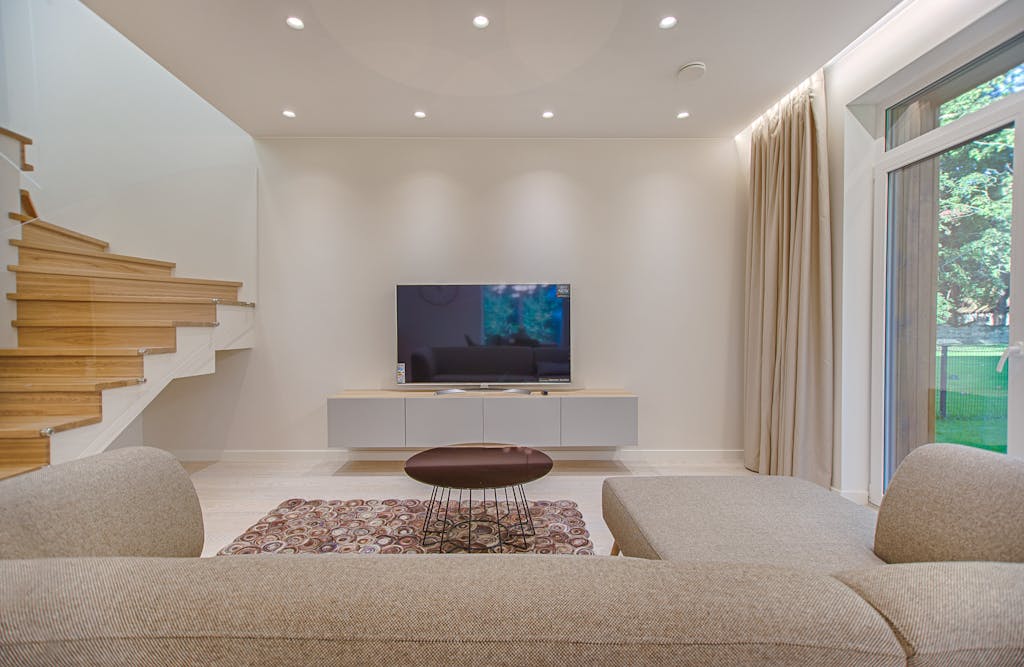
In living rooms and bedrooms, the primary goal of lighting is to foster relaxation and comfort. These rooms benefit most from warm color temperatures that signal to the brain that it is time to wind down. In the living room, a central chandelier or large flush-mount fixture provides general light, but the real character of the room comes from secondary sources. Table lamps and floor lamps placed at varying heights create a sense of depth and eliminate dark corners that can make a room feel smaller.

For the bedroom, lighting should be soft and indirect to avoid glare when you are lying in bed. Bedside sconces or lamps are essential for reading, and they should be positioned so the light falls directly on the page without disturbing a partner. Many homeowners are now opting for recessed lighting on dimmers in the bedroom, allowing for a bright room when cleaning or getting dressed, and a low-light environment when preparing for sleep. Closet lighting is another often-forgotten necessity; installing a simple motion-activated LED bar can make finding clothes in a dark closet much easier.
Accent lighting plays a major role in the living room, especially for highlighting fireplaces, bookshelves, or artwork. Picture lights or adjustable recessed gimbals can be used to draw the eye to specific features, adding a layer of sophistication to the decor. By layering these different types of light, you avoid the flat, uninviting look that comes from relying solely on a single overhead light source.
Productivity and Focus in the Home Office
With more East Canton residents working from home, the home office has become a priority for electrical upgrades. Poor office lighting is a leading cause of headaches and eye fatigue, often due to glare on computer screens or insufficient brightness for paperwork. The goal in an office is to minimize contrast between your screen and the surrounding environment. Ambient lighting should be bright enough to illuminate the whole room, but not so bright that it washes out your monitors.
Want to know the value of owning a generator in Ohio Weather? Click here for more information.
Task lighting is the most important element in an office. A high-quality desk lamp with an adjustable arm allows you to direct light exactly where you need it for writing or reading physical documents. It is best to position the desk lamp on the opposite side of your dominant hand to avoid casting shadows across your work. If your office has windows, consider the placement of your desk relative to the sun to avoid afternoon glare, and use adjustable blinds to manage natural light throughout the day.
Cooler color temperatures, such as 3500K to 4000K, are often preferred for office spaces because they help keep the mind alert and focused. If you participate in frequent video calls, consider adding a soft, front-facing light source to illuminate your face clearly. This prevents the silhouetting effect that happens when there is a bright window or light source directly behind you. A well-lit office not only improves productivity but also creates a professional atmosphere for virtual meetings.
Safety and Utility in Bathrooms and Hallways
Bathroom lighting must balance the need for high-visibility task lighting with the desire for a relaxing, spa-like atmosphere. The most common mistake in bathrooms is placing a single light fixture directly above the mirror. This creates harsh downward shadows on the face, making it difficult to shave or apply makeup. A better approach is to install sconces on either side of the mirror at eye level, which provides even, cross-ventilation lighting that eliminates shadows.

For the rest of the bathroom, recessed lighting is ideal, particularly over the shower or tub. These fixtures must be specifically rated for wet or damp locations to ensure safety and code compliance. In the evening, a dimmer switch or a low-wattage nightlight can make the bathroom easier to navigate without the jarring brightness of full-power lights. This is especially helpful for children or elderly family members who may need to use the facilities during the night.
Hallways and staircases are critical areas where lighting is a matter of safety. These transitional spaces should be brightly lit to prevent trips and falls. In hallways, recessed cans or flush-mount fixtures should be spaced evenly to ensure there are no dark gaps. For staircases, consider low-level step lights or wall-mounted fixtures that clearly illuminate each tread. This provides a clear path of travel through the home, ensuring that your property is safe for guests and residents alike.
Choosing the right lighting for your home is an investment in your daily comfort and long-term satisfaction. By moving away from the idea of a one-size-fits-all lighting solution and embracing a layered approach, you can unlock the full potential of every room in your East Canton home. Whether you are seeking the high-energy focus of a daylight-balanced home office or the warm, cozy embrace of a candle-lit living room, the right combination of fixtures, bulbs, and controls makes all the difference. Gragg Electrical Services is here to help you navigate these choices, ensuring that your lighting plan is safely installed, energy-efficient, and perfectly tailored to your unique lifestyle.