How Long Should Electrical Panels Last?
The electrical panel, often called the breaker box or service panel, is the central control point for your entire home’s electrical system. For homeowners in East Canton, understanding the lifespan of this critical component is essential, not just for power convenience, but for safety. While a well maintained electrical panel can last anywhere from 25 to 40 years, age alone is only one part of the equation. A panel’s useful life is ultimately determined by its physical condition, its capacity to handle modern electrical loads, and whether its internal components still meet current safety standards.
Waiting until an electrical panel fails to consider an upgrade is a dangerous and costly approach. A failing panel increases the risk of fire, causes frustrating power interruptions, and can even damage expensive appliances. This is an area where proactive maintenance and replacement are always superior to waiting for an emergency. Evaluating the health of your panel involves looking beyond the date it was installed and assessing its current functionality, safety compliance, and ability to handle the demands of your modern life.
The Factors That Determine Panel Lifespan
While 25 to 40 years is the general estimate for an electrical panel’s physical life, several external and internal factors can significantly shorten this period or render the panel obsolete long before it physically fails. Understanding these factors is key to deciding when to schedule an inspection or upgrade.
One of the most critical factors is the environment in which the panel operates. Panels installed in damp basements, humid garages, or outdoors without proper sealing are susceptible to premature failure due to corrosion. Moisture causes rust on the metal bus bars, terminals, and internal mechanisms of the circuit breakers. Rust increases electrical resistance, which generates heat, ultimately compromising the panel’s ability to safely carry current and causing breakers to wear out faster or, more dangerously, fail to trip when necessary. A panel in a dry, temperature controlled environment will naturally last longer than one constantly exposed to humidity.

Another significant issue is the constant electrical stress placed on the panel, particularly in older homes. The electrical load in a modern East Canton home is exponentially higher than it was 30 or 40 years ago. An older panel with limited amperage capacity is forced to operate near or at its maximum limit every day. This constant stress generates heat within the panel, accelerating the degradation of internal components and the main breaker. This chronic strain is often the reason a 30 year old panel is struggling, even if it appears physically intact.
The Critical Risk of Obsolescence and Defects
Beyond simple age and wear, many electrical panels need replacement simply because they are outdated or, worse, carry known safety defects that make them fire hazards. These are issues of obsolescence, not just decay.
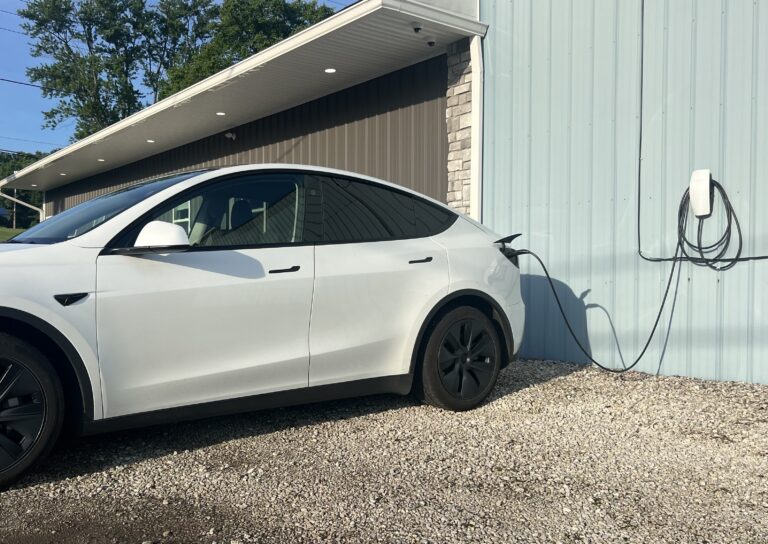
Many panels installed between the 1950s and 1980s were designed for 60 or 100 amp service. This low amperage is grossly inadequate for contemporary power needs. Trying to run modern appliances, central air, and extensive electronics on such a limited service causes chronic overloads and nuisance tripping. This obsolescence creates both a safety hazard, as circuits are constantly pushed to their limits, and a practical barrier to any home improvement, such as adding a new electric range or an EV charger.
Need an electrical panel upgrade? Click here for our electrical panel upgrade service.
Furthermore, specific panel brands are notorious for documented, inherent manufacturing defects that compromise their core safety function. Panels made by manufacturers such as Federal Pacific Electric, or FPE, containing “Stab-Lok” breakers, are widely considered dangerous. These breakers have a failure rate that prevents them from tripping when an overcurrent event occurs, meaning they will not shut off power during a short circuit or overload. This failure allows the wire to overheat to the point of ignition, making immediate replacement of these panels a critical safety priority. Panels from Zinsco also suffer from a history of defects, including breakers that melt onto the bus bar. If your home has one of these known hazardous panels, its lifespan is considered zero; it must be replaced immediately.
Identifying the Signs of a Failing Panel
While the ideal time to replace a panel is before it begins to fail, the panel itself will often provide clear warning signals that its useful life is nearing an end. These signals should prompt an immediate call to a licensed electrician.
One of the most obvious signs is persistent, localized heat or strange odors emanating from the panel area. If the panel door or the wall around it feels warm to the touch, or if you detect the distinct smell of burning plastic, rubber, or a strange fishy odor, it indicates excessive resistance and component melting inside. This is an emergency situation requiring immediate power cutoff.

Another clear indicator is physical damage. Look for visible rust, corrosion, or water stains inside the panel box. If you see scorched marks, melted plastic on the internal breakers, or fraying insulation on wires entering the panel, the system has experienced significant heat stress. These signs confirm that the panel’s components are damaged and can no longer be trusted to protect your home.
Finally, chronic electrical issues point directly to panel failure. If your circuit breakers are constantly tripping, even after reducing the load, it suggests the breakers themselves are worn out, faulty, or the bus bar connections are loose. Nuisance tripping, flickering or dimming lights when major appliances turn on, and a buzzing sound coming from the panel are all symptoms that the panel’s internal mechanisms are struggling to manage the current safely and reliably.
The Process and Benefits of Upgrading
When a panel reaches the end of its useful life, Gragg Electrical Services recommends a full upgrade, typically to a 200 amp service, which is the modern standard for residential properties. This process involves more than just swapping out the box; it is an entire service entrance upgrade.
The upgrade includes replacing the main breaker, the internal bus bars, and all the circuit breakers. Often, we must also replace the service line from the utility and the electrical meter socket to ensure the entire system can safely handle the increased 200 amp capacity. This ensures that the system is not only safe but is compliant with all current National Electrical Code requirements, which is a major factor for safety and home insurance.
Want to know the benefits of a whole home surge protector install? Click here for more information.
The benefits of a panel upgrade far outweigh the cost and brief inconvenience of a power outage. The most important gain is enhanced safety. Modern circuit breakers are reliable and incorporate safety features like tamper resistant receptacles and, often, the option for integrated AFCI and GFCI protection. Second, you gain the necessary capacity to support modern living, including new appliances, electric vehicle chargers, and central air conditioning, eliminating frustrating overloads. Third, the upgrade significantly increases your home’s value and insurable standing, removing a major red flag for future home buyers.
Proactive Maintenance to Extend Lifespan
While the inevitability of replacement exists, proper maintenance can ensure your electrical panel reaches the maximum end of its estimated lifespan. Preventive care focuses primarily on maintaining the panel’s environment and scheduling professional inspections.
Ensure the area around your electrical panel is always kept clear. The National Electrical Code requires a clear working space of at least 3 feet in front of the panel. Do not store cleaning supplies, boxes, or flammable materials near the panel. This clearance is necessary not only for safety in an emergency but also for ventilation. Obstructing the panel can trap heat, which accelerates wear on the internal components.

For panels in humid or damp locations, invest in a dehumidifier for the space. Controlling moisture is the most effective way to prevent corrosion of the bus bars and terminals. If you notice any signs of water intrusion or rust, call an electrician immediately to inspect the seals and treat any corrosion before it causes a major fault.
Finally, schedule an inspection every few years. During an inspection, a licensed electrician can check the torque on all terminal screws. Loose connections are the primary cause of heat generation and fire risk in electrical panels. A professional will tighten these connections, ensuring the wires have a secure, low resistance contact, and will look for early signs of pitting, scorching, or corrosion that indicate imminent failure. This preventative step can significantly extend the safe and reliable life of your electrical panel.
The question of how long an electrical panel should last is less about calendar years and more about safety and functionality. While a panel can physically operate for 40 years, it is functionally obsolete, undersized, or dangerously defective long before that, especially in older East Canton homes. If your panel is frequently tripping, shows any signs of heat damage, or if it is a known hazardous brand, its useful life is over. Be proactive in protecting your home and family. Scheduling an inspection or an upgrade is an investment in safety that ensures your home’s electrical heart is beating strongly, reliably, and to the standards of the 21st century.