How to Plan for a Home Addition Electrically
Expanding your home with a new addition is one of the most significant investments you can make as a homeowner in East Canton. Whether you are adding a master suite, a spacious new kitchen, or a dedicated home office, the focus often begins with floor plans and aesthetic finishes. However, the most critical component of a successful addition is the infrastructure that will power it. Planning for your electrical needs at the very beginning of the design phase is essential to ensure your new space is safe, functional, and fully integrated with your existing home.
An electrical system is not something that can be easily tucked in at the end of a construction project. It requires careful calculation of your home’s current capacity and a clear understanding of the future demands of the new space. Failing to plan for the electrical side of a remodel can lead to expensive rework, failed inspections, and a system that is perpetually overloaded. By working with a licensed electrician from day one, you can create a power plan that supports your lifestyle while strictly adhering to the latest safety codes.
Assessing Your Current Electrical Capacity
Before a single stud is moved or a foundation is poured, the first step in planning a home addition is determining if your current electrical service can handle the extra load. Most older homes in East Canton were built with 60 amp or 100 amp electrical panels. While these were sufficient for the power needs of previous decades, they are often already pushed to their limits by modern appliances and electronics. Adding several hundred square feet of living space, along with new lighting and climate control, could easily exceed what an older panel can safely provide.

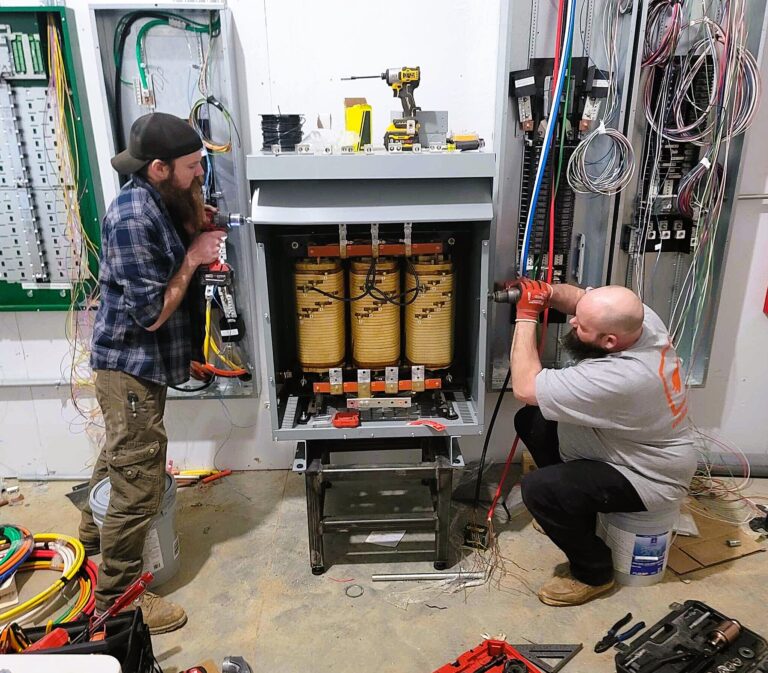
A professional electrician will perform a comprehensive load calculation to evaluate your current usage versus the total capacity of your service panel. This assessment looks at the square footage of your home, the types of high-demand appliances currently in use, and the projected needs of the new addition. If the math shows that the new space will push your system into the danger zone, the planning phase is the best time to schedule a service upgrade. Upgrading to a 200 amp panel during an addition project is a common necessity that provides the headroom needed for the new space and any future technology you might add later.
If your panel is relatively new but simply lacks physical space for new circuit breakers, you might be able to install a subpanel. A subpanel acts as a satellite to your main breaker box, providing extra slots for the new circuits in the addition. This is often a more cost-effective solution if your main service capacity is already 200 amps but the physical box is full. However, if the main service itself is undersized, a subpanel will not solve the underlying problem of capacity. Identifying these needs early prevents a scenario where your contractor is ready for drywall only to find out you need a massive utility upgrade.
Designing the Lighting and Outlet Layout
Once the capacity of your system is confirmed, the next phase of planning involves the detailed design of where your power will actually go. This is the stage where you consider how you will move through and live in the new space. Proper placement of outlets and light switches is a matter of both convenience and code compliance. The National Electrical Code has very specific rules about how far apart outlets can be to prevent the use of dangerous extension cords. For example, in most living areas, you must have an outlet so that no point along a wall is more than six feet from a receptacle.
Need your home addition wiring done? Click here for our home addition wiring service.
In addition to standard outlets, you must plan for specialized lighting. A well-designed room uses layers of light, including ambient overhead lighting, task lighting for specific activities, and accent lighting to highlight architectural features. If the addition is a home office, you will want dedicated outlets for computers and printers to avoid interference from other appliances. If it is a master suite, you might consider outlets with built-in USB ports near the bedside or a switch by the door that controls a lamp across the room. Thinking through these details during the framing stage allows for a much more polished and functional finished product.
Lighting controls have also become much more sophisticated. Planning for smart switches or dimmers allows you to control the ambiance of your new addition from your phone or via voice commands. These systems often require a neutral wire at the switch box, which is a standard in modern wiring but something that must be confirmed during the rough-in phase. By mapping out these needs early, you avoid the frustration of having a beautiful new room that lacks power exactly where you need it or one that requires messy extension cords across the floor.
Planning for Dedicated Circuits and High Demand Appliances
A common mistake in home additions is underestimating the power needs of specific equipment. Not all outlets are created equal; many modern appliances require their own dedicated circuit. A dedicated circuit is a single line that runs from the breaker panel directly to one appliance, ensuring it does not have to share power with other devices. This prevents the frequent tripping of breakers that occurs when a high-demand item, like a space heater or a treadmill, is plugged into a circuit that is already powering lights and a television.
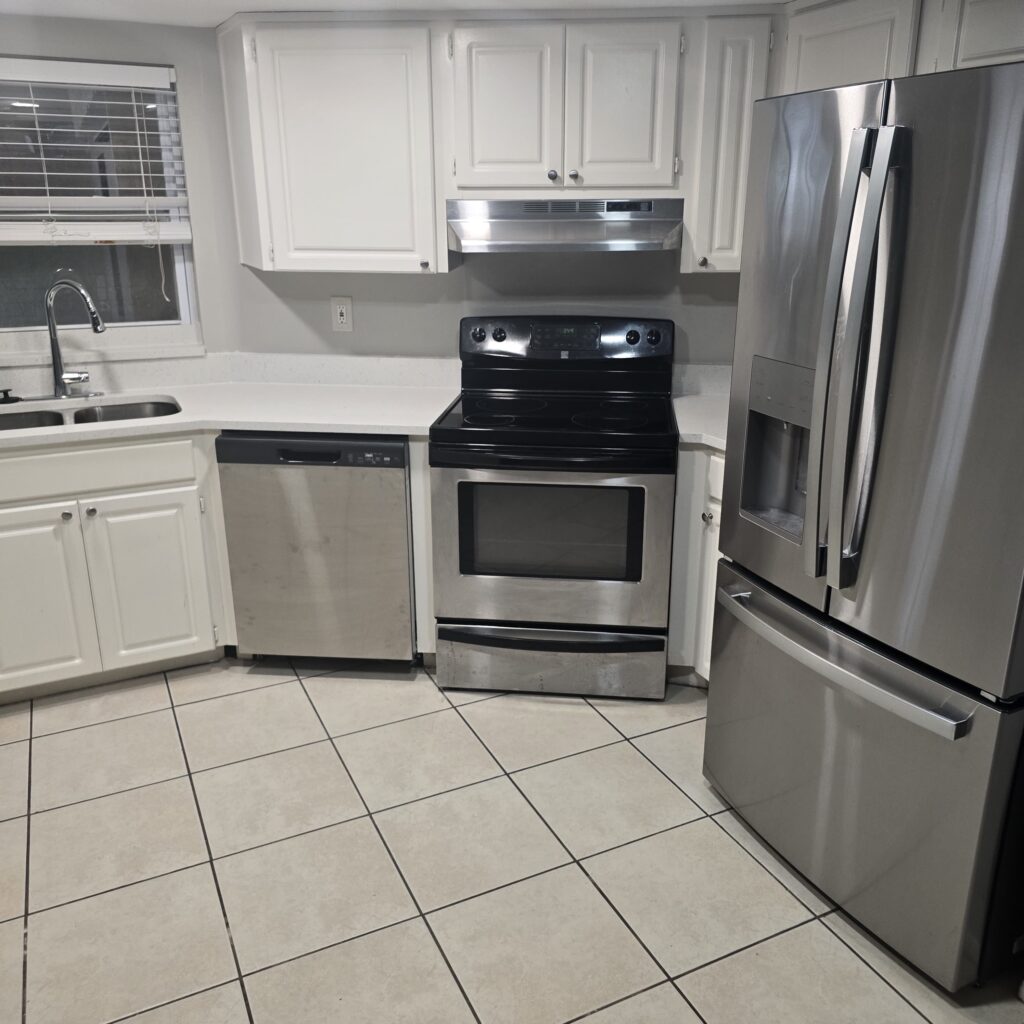
If your addition includes a bathroom, code requires a dedicated 20 amp circuit for the outlets to handle hair dryers and other high-wattage personal care items. If the new space is a kitchen extension, you will need multiple dedicated circuits for the dishwasher, microwave, and refrigerator. Even a dedicated home office may benefit from a separate circuit for high-end computer servers or laser printers. Identifying these high-load items during the planning phase ensures that the correct gauge of wire is pulled and the appropriate breakers are installed, providing stable power for your most important equipment.
Furthermore, if your addition involves new heating and cooling systems, such as a mini-split heat pump or an extension of your central air, these units will almost certainly require their own dedicated 240-volt circuits. These are substantial loads that must be accounted for in the initial capacity assessment. Failing to plan for HVAC power needs is a leading cause of project delays, as these systems often require specialized breakers and heavier wiring that must be integrated into the main panel.
Integrating Safety Features and Code Compliance
Safety is the most important aspect of any electrical plan. When you add on to your home, the new wiring must meet the most current safety standards, which may be more advanced than the wiring in the older parts of your house. This includes the installation of Ground Fault Circuit Interrupters and Arc Fault Circuit Interrupters. GFCIs are required in any area where water is present, such as bathrooms, laundry rooms, or near wet bars, to prevent electric shock. AFCIs are now required in almost all living areas to protect against fires caused by invisible arcing in the walls.
In addition to these safety breakers, you must consider the structural safety of your installation. This involves using the correct types of electrical boxes, ensuring all wires are properly secured to the studs, and using fire-stopping materials where wires pass through different levels of the home. If your addition is over a crawlspace or includes an outdoor deck, the wiring must be rated for damp or wet locations. These technical details are why professional oversight is so critical; a licensed electrician knows the local East Canton codes and ensures that every connection is made to a standard that will pass inspection and protect your family for years to come.
Smoke and carbon monoxide detectors are another critical area of code compliance. Modern building codes require that smoke detectors in a new addition be interconnected with the rest of the house. This means that if a detector in the new master bedroom goes off, every alarm in the house will sound. This level of integration often requires running a communication wire between the new addition and the existing detector network. Planning for this interconnectivity ensures your addition is a safe haven and brings the rest of your home up to a higher safety standard.
The Financial Benefits of Early Professional Involvement
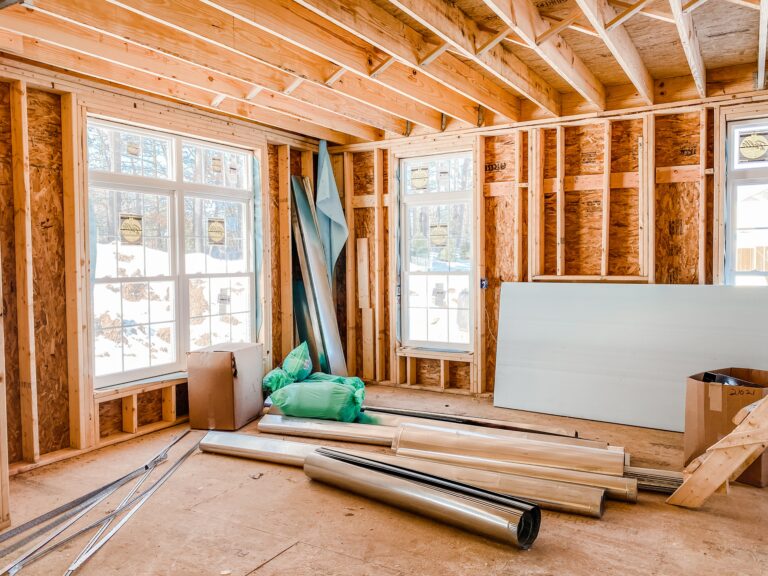
It may seem like an extra expense to hire an electrician during the early design phase, but it is actually a significant cost-saving measure. The most expensive part of any construction project is rework. If you wait until the walls are closed up to decide you want a ceiling fan in the center of the room or an extra outlet in the closet, the cost to add those features triples. You are then paying for demolition, rewiring, and drywall repair rather than a simple wire pull during the rough-in stage.

Early planning also allows for more accurate budgeting. When you know exactly what your electrical needs are—whether you need a panel upgrade, specialized lighting, or extensive dedicated circuits—you can get a fixed price for the work. This eliminates the “hidden costs” that often plague home additions. An electrician can also advise you on energy-efficient choices, such as LED lighting and smart home controls, that will lower your monthly utility bills in the long run. By making these decisions early, you can choose materials and systems that fit your budget while still delivering the high-quality results you want.
Professional planning also protects the resale value of your home. When it comes time to sell, an addition that was wired professionally and permitted properly is a major asset. Prospective buyers and home inspectors look for the peace of mind that comes with a safe, code-compliant electrical system. Having the documentation that your addition was handled by a licensed professional ensures a smoother closing process and prevents last-minute repairs that could hold up a sale.
Planning a home addition is a journey that transforms how you experience your home. While the visible changes are exciting, the invisible electrical work is what makes that new space livable and safe. From the initial load calculation and panel assessment to the detailed layout of switches and the installation of life-saving safety breakers, every step requires precision and professional expertise. By prioritizing your electrical plan from the very beginning, you avoid the pitfalls of overloaded circuits and costly rework. Trusting a licensed electrician to guide you through this process ensures that your new addition is not just a beautiful new room, but a safe, functional, and efficient part of your East Canton home for decades to come.