What to Know About Installing EV Chargers at Home
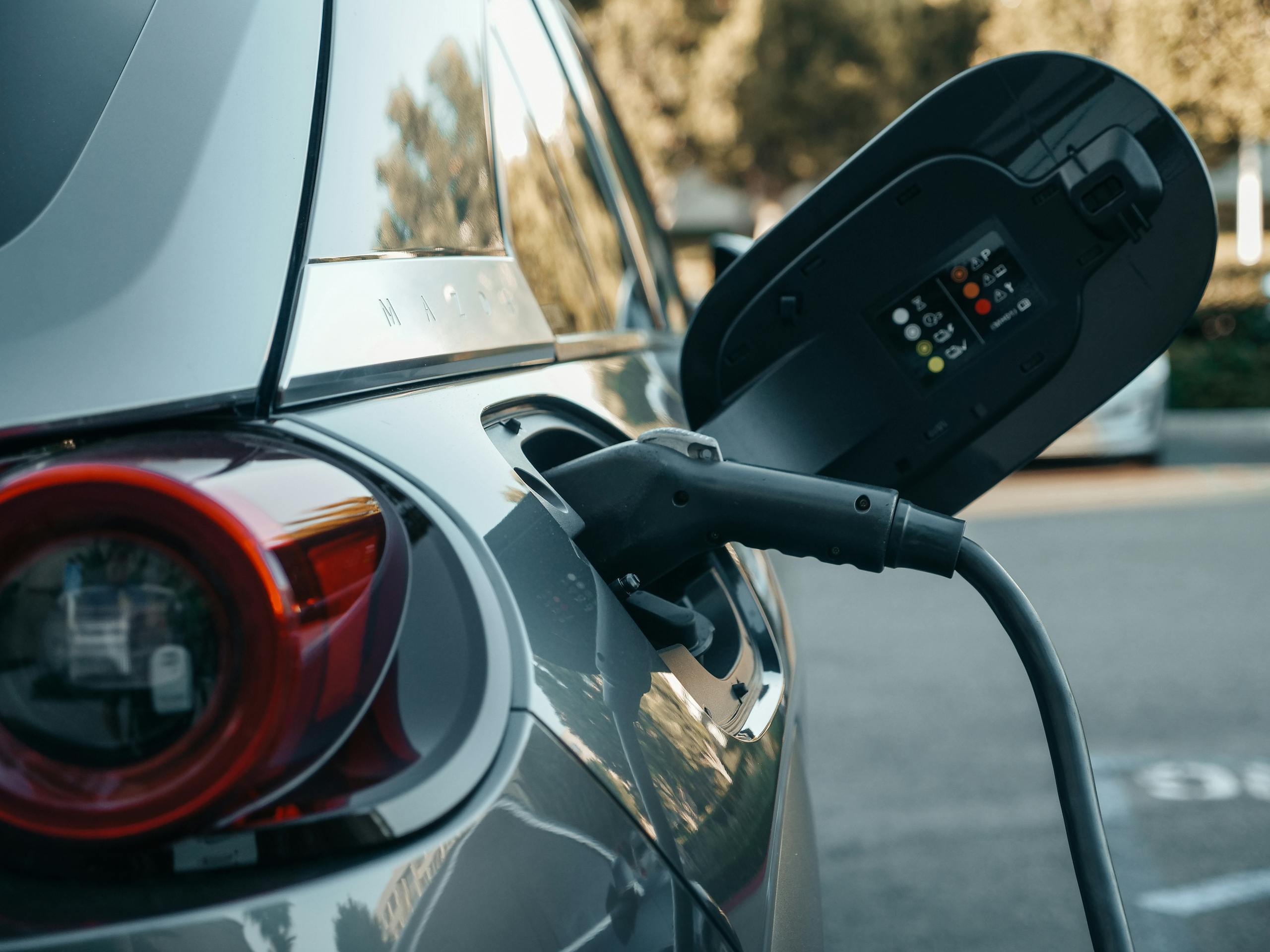
The shift toward electric vehicles is no longer a futuristic concept but a present reality for many residents in East Canton. As more drivers transition away from internal combustion engines, the need for reliable and efficient home charging infrastructure has become a top priority. Relying solely on public charging stations is often inconvenient and more expensive than charging at home. Having a dedicated station in your own garage or driveway offers the ultimate convenience, allowing you to wake up every morning with a full battery and the peace of mind that your vehicle is ready for the day ahead.
However, installing an electric vehicle charger is a significant electrical undertaking that requires more than just mounting a box to the wall. It involves a detailed assessment of your home’s current electrical capacity, choosing the right level of charging for your specific needs, and ensuring that the installation meets all local and national safety codes. Gragg Electrical Services understands the complexities of these systems and works to ensure that your home is prepared to handle this high-demand load safely and effectively. Proper planning and professional execution are the keys to a successful transition to electric driving.
Understanding Level One Versus Level Two Charging
When you first bring home an electric vehicle, you will likely receive a portable cord that can be plugged into a standard three-prong 120-volt household outlet. This is known as Level One charging. While this is the simplest method, it is also the slowest, typically adding only about three to five miles of range per hour of charging. For many drivers in East Canton, this is insufficient, especially if you have a long commute or need to use the vehicle several times throughout the day. Level One is generally considered a backup option rather than a primary charging solution for modern EVs with large battery packs.

To truly enjoy the benefits of an electric vehicle, most homeowners opt for a Level Two charging station. These units require a 240-volt circuit, similar to what you would use for an electric clothes dryer or a large kitchen range. Level Two charging is significantly faster, adding anywhere from twelve to sixty miles of range per hour, depending on the charger’s amperage and the vehicle’s onboard capacity. This allows you to fully recharge most vehicles overnight, ensuring that you never have to worry about range anxiety during your daily travels.
The choice between Level One and Level Two often comes down to your daily driving habits and the specific requirements of your vehicle. While a Level Two charger requires a more substantial initial investment in equipment and professional installation, the time saved and the increased utility of the vehicle often make it the preferred choice for serious EV owners. Professional electricians play a vital role in this transition by helping you select the appropriate hardware and ensuring your home’s wiring is capable of supporting the increased voltage and current.
Assessing Your Home Electrical Panel Capacity
The most critical step in installing a Level Two EV charger is evaluating your home’s main electrical panel. An EV charger is a continuous, high-draw load that can run for several hours at a time. This puts a unique kind of stress on your electrical system that few other appliances can match. Most modern Level Two chargers require a 40-amp or 50-amp circuit, which is a significant addition to the total demand on your panel. If your home still operates on a 60-amp or 100-amp service, adding an EV charger without an upgrade could lead to frequent breaker tripping and dangerous overheating.
Need an EV charger install for your home? Click here for our EV installation service.
A professional load calculation is necessary to determine if your current panel can handle the addition of a vehicle charger. This calculation takes into account the square footage of your home and all existing high-demand appliances like your air conditioner, electric range, and water heater. In many older East Canton homes, a service upgrade to 200 amps is required to provide the necessary headroom for safe charging. This upgrade not only supports your new vehicle but also modernizes your entire electrical system, providing better reliability for all your electronics and appliances.
If your panel has the capacity but lacks physical space for a new double-pole breaker, an electrician might suggest installing a subpanel or using tandem breakers to create room. However, this is only a solution if the main service is large enough to support the total load. Cutting corners on panel capacity is a major safety risk, as an overloaded panel can fail prematurely or even cause an electrical fire. Ensuring your home’s electrical heart is strong enough for the task is the foundation of a safe EV charging setup.
Selecting the Right Charger and Mounting Location
Choosing the right EV charger involves more than just picking a brand; it requires matching the charger’s output to your vehicle’s capabilities and your home’s electrical limits. Chargers come in various amperage ratings, typically ranging from 16 to 80 amps. Most residential installations focus on 32-amp to 48-amp units, as these provide a good balance between charging speed and home electrical demand. You must also decide between a hardwired unit and one that plugs into a 240-volt NEMA 14-50 outlet. Hardwired units are generally considered more reliable for sustained high-current loads and are often required for higher-amperage chargers.

The physical location of the charger is another important consideration. Ideally, the charger should be mounted in a location that is easily accessible from your vehicle’s charging port, taking into account how you typically park in your garage or driveway. The length of the charging cable is another factor; most are about twenty to twenty-five feet long. You want to ensure the cable can reach the port without being stretched tightly or becoming a tripping hazard. If you plan to charge your vehicle outdoors, you must select a charger that is specifically rated for outdoor use and ensure it is installed with a weatherproof enclosure.
For homeowners in East Canton who may have more than one electric vehicle in the future, it is worth considering a “smart” charger or a dual-head unit. Smart chargers can connect to your home’s Wi-Fi, allowing you to schedule charging during off-peak hours when utility rates may be lower. Some models also allow for load sharing, which means they can balance the power between two vehicles to ensure your electrical panel is never overloaded. Planning for your future needs now can save you the cost of a second installation down the road.
The Importance of Professional Installation and Permits
It may be tempting to view EV charger installation as a simple DIY project, but the high voltage and continuous current involved make it a task strictly for licensed professionals. Every connection in an EV circuit must be made with precision; a slightly loose wire or an incorrectly sized conductor can generate extreme heat over several hours of charging, leading to melted insulation or fire. Professional electricians have the specialized tools and training to ensure that every terminal is torqued to the manufacturer’s exact specifications.
Want to know the benefits of installing a home EV charger? Click here for more information.
Permitting and inspections are also vital components of the installation process. In East Canton, a permit is required for adding a high-voltage circuit like an EV charger. This process involves a third-party inspector verifying that the work meets the National Electrical Code and local safety standards. Having a permitted installation is not just about following the law; it is often a requirement for your homeowner’s insurance and can be a major factor in the resale value of your home. A professional installation provides the documentation you need to prove your home is safe and compliant.
Additionally, many utility companies and government agencies offer rebates or tax credits for the professional installation of EV charging stations. These programs often require proof of a permitted installation by a licensed contractor. By working with Gragg Electrical Services, you can ensure that your project is eligible for these financial incentives, which can significantly offset the cost of the equipment and labor. Professional involvement ensures that you get the most out of your investment while maintaining the highest safety standards for your home.
Preparing Your Home for the Future of Electric Transport
Installing an EV charger is about more than just your current vehicle; it is an investment in the long-term value and functionality of your property. As the automotive industry continues to move toward electrification, a home with a pre-installed Level Two charging station will be significantly more attractive to future buyers. Even if you only own one electric vehicle now, it is wise to consider running a larger wire than currently needed or installing a larger conduit during the initial project. This “future-proofing” makes it much easier and cheaper to upgrade to a more powerful charger later as battery technology improves.

Maintenance for a home charging station is minimal but important. You should regularly inspect the charging cable for any signs of wear, fraying, or damage from being stepped on or driven over. The plug itself should be checked for any discoloration or heat damage, which could indicate a loose connection inside the unit or the outlet. Keeping the charging area clean and free of debris ensures proper ventilation and prevents the unit from overheating. If you ever notice any unusual smells or if the charger becomes excessively hot to the touch, you should stop using it immediately and call a professional for an inspection.
By taking a proactive and professional approach to EV charger installation, you are setting your East Canton home up for success in a changing world. You gain the convenience of fast, reliable charging while ensuring your home’s electrical system remains safe and robust. Whether you are a first-time EV owner or are looking to upgrade an existing setup, understanding these key factors allows you to make informed decisions that benefit your lifestyle and your home’s value for years to come.
The transition to an electric vehicle is a rewarding step toward a more sustainable and efficient lifestyle. Installing a Level Two charger at your East Canton home is the most effective way to support this change, providing the fast and reliable power you need for daily driving. By carefully assessing your electrical panel capacity, choosing the right hardware, and insisting on professional installation with proper permits, you protect your home and your investment. A dedicated home charging station is more than just a convenience; it is a vital part of your home’s modern infrastructure. Gragg Electrical Services is committed to helping you navigate this process, ensuring that your EV charging journey is safe, efficient, and perfectly tailored to your needs.