Top Fire Hazards We Find in Older Homes
Older homes in East Canton and throughout Ohio offer a unique charm, with craftsmanship and character that many new constructions lack. However, beneath the surface of hardwood floors and plaster walls often lies an infrastructure that is dangerously unprepared for the demands of the twenty first century. The most significant and hazardous of these outdated systems is almost always the electrical wiring. What was considered safe and sufficient 60, 70, or even 80 years ago is now one of the leading causes of residential fires.
As licensed electricians, we are trained to identify these hidden dangers. When we enter an older home, we are looking for specific, well known hazards that have been linked to countless fires. These issues are not theoretical; they are active risks that may be present in your home right now, silently waiting for the right conditions to ignite. Understanding these top electrical fire hazards is the first step in protecting your property and your family.
Outdated Knob and Tube Wiring
If your home was built before 1950, there is a strong possibility it still contains knob and tube wiring. This was the earliest standardized method of residential electrical wiring. It consists of single copper conductors wrapped in cloth insulation, which are run through porcelain “knobs” to support them and “tubes” to protect them as they pass through wooden wall studs and floor joists. At the time, this was an effective system.
Need electrical repair? Click here for our electric repair service.
Today, knob and tube wiring presents several severe fire hazards. First, the original insulation on these wires is now many decades old. This cloth and rubber insulation becomes extremely brittle over time, and it can easily crack, flake off, and expose the live copper conductor underneath. This exposed wire can arc, or spark, when it comes in contact with another wire or a flammable material, such as wood framing or dust. Second, knob and tube wiring was designed to be suspended in open air to allow heat to dissipate. In modern times, many of these homes have had insulation blown into the attics and wall cavities, burying the wiring. This insulation traps the heat generated by the wires, causing them to dangerously overheat and potentially ignite the surrounding insulation or wood.
Another major issue is the lack of a ground wire. Knob and tube is a two wire system, meaning it has a “hot” and a “neutral” wire, but no ground. The ground wire is a critical safety feature that provides a safe path for electricity to travel in the event of a fault. Without it, a short circuit can energize the metal casings of appliances or cause circuits to overheat instead of tripping a breaker. Furthermore, over the decades, this wiring has almost certainly been modified, often by amateurs. We frequently find modern, three wire Romex wiring improperly spliced into the old knob and tube system, creating unsafe connections that are prone to failure and overheating.
Hazardous Electrical Panels
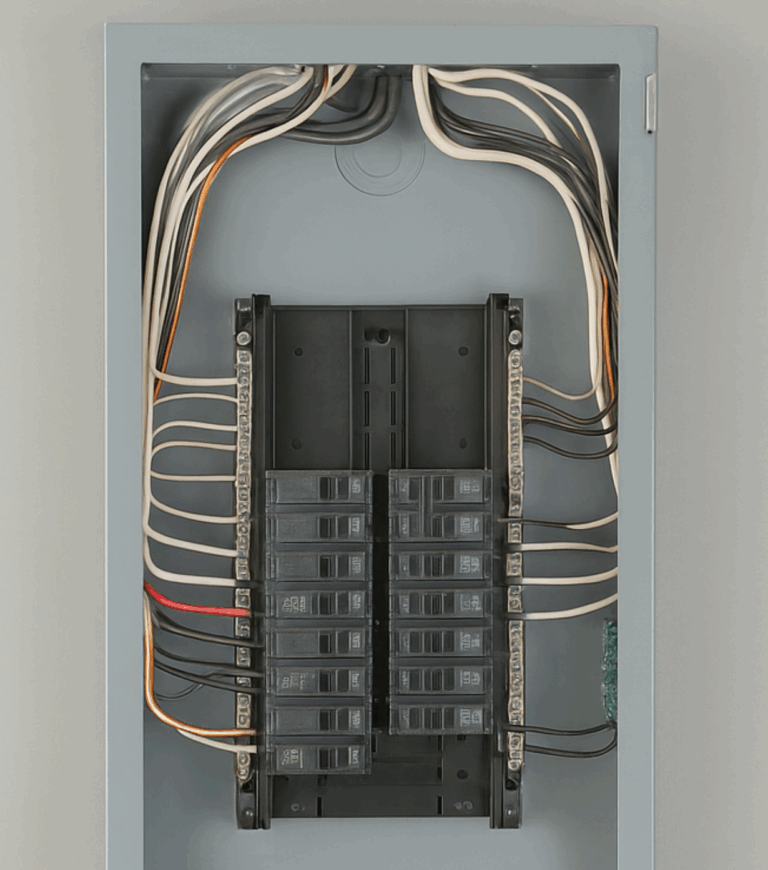
The electrical panel, or breaker box, is the safety hub of your entire home. Its job is to detect overcurrents, which happen when a circuit is overloaded or when a short circuit occurs, and to shut off the power by “tripping” the breaker. This immediate action stops the wires in your walls from overheating to the point of ignition. However, not all panels were created equal. Two specific brands, Federal Pacific Electric and Zinsco, are notorious for their catastrophic failure rates.
Federal Pacific Electric, or FPE, panels were widely installed from the 1950s to the 1980s. Their “Stab Lok” breakers are known to fail to trip during an overcurrent event. This means that when you plug in too many devices, or when a wire shorts out, the breaker may not shut off. The electrical current continues to flow, superheating the wire until its insulation melts and ignites the nearby wood framing. These panels are a known and documented fire hazard, and many insurance companies will not cover a home that has one.
Zinsco panels, also installed during a similar time frame, present a similar danger. Their breakers have been known to melt to the panel’s main bus bar. This effectively fuses the breaker in the “on” position, making it impossible for it to trip. Even if you try to manually flip the breaker, it may still be allowing power to flow to the circuit. Both FPE and Zinsco panels are ticking time bombs. They provide a false sense of security while actively failing to perform their one critical safety function. Replacing them is not an “upgrade”; it is an emergency remediation.
Solid Aluminum Wiring
In the mid 1960s to the mid 1970s, the price of copper spiked, leading builders to use solid aluminum wiring for branch circuits as a cost saving measure. This wiring is now present in millions of homes and is a significant fire hazard. The problem with aluminum is not the material itself, but its physical properties compared to copper, which is used in all modern devices like outlets and light switches.
Aluminum expands and contracts at a different rate than copper when it heats up and cools down from electrical use. This process, called thermal expansion, causes the connections at your outlets, switches, and in the electrical panel to become loose over time. A loose electrical connection is extremely dangerous. It creates resistance, and this resistance generates intense heat. The connection point can become hot enough to melt the plastic on an outlet or switch and ignite the wall materials behind it.
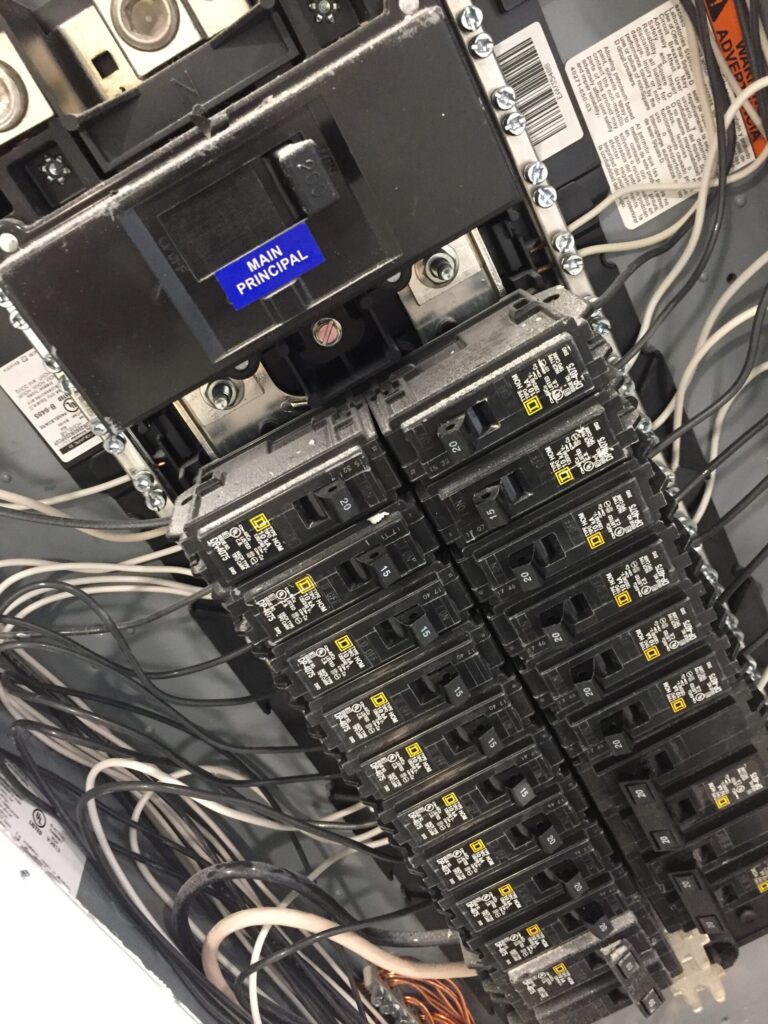
The signs of failing aluminum wiring connections include flickering lights, outlets that feel warm to the touch, a strange smell of burning plastic near an outlet, or discoloration on the outlet faceplate. These connections are failing and arcing, actively creating the perfect conditions for a fire. Special, approved connectors and techniques are required to safely remediate aluminum wiring, often by adding a short copper “pigtail” at every connection point. This is a meticulous job that must be performed by a qualified electrician.
Insufficient Ampacity and Overloaded Circuits
Homes from the 1950s and 60s were often built with 60 amp or 100 amp electrical services. This was more than enough power for a time when the home’s major electrical loads were a refrigerator, a stove, and some lights. The modern East Canton home, however, is a power hungry environment. We now have central air conditioning, electric dryers, electric water heaters, large televisions, multiple computers, high powered kitchen appliances, and in some cases, hot tubs and electric vehicle chargers.
Want to know the electrical code violations to avoid? Click here to learn more.
Running a modern household on an outdated 60 or 100 amp service is like trying to force a river through a garden hose. The system is constantly running at or near its maximum capacity. This chronic overloading places an immense strain on the main service cables and the entire electrical panel. More importantly, it overloads the home’s individual branch circuits, which were often installed with wiring that is too small for the devices we plug into them today.
When a wire is forced to carry more current than it is rated for, it generates dangerous levels of heat. This heat breaks down and melts the wire’s protective insulation. Once that insulation is compromised, the hot conductor can make contact with another wire or a grounded surface, causing a short circuit and fire. Frequently tripping breakers are a major warning sign. It is your system telling you that it is overloaded and cannot safely handle the demand you are placing on it. An upgrade to a 200 amp service is often necessary to provide safe, reliable power.
Decades of Unsafe Modifications
In a home that is 50 or 60 years old, it is almost guaranteed that some electrical work has been done since it was originally built. The problem is that much of this work was often performed by homeowners or uncertified handymen who did not understand the electrical code or the principles of safe wiring. These unsafe modifications create a patchwork of hidden hazards throughout the house.
We frequently find live wires that have been improperly spliced together with only electrical tape and hidden inside a wall or ceiling, with no protective junction box. These “flying splices” are a huge fire risk, as the connections can easily come loose and arc. We find extension cords being used as permanent wiring, stapled to baseboards or run through walls, which they are not rated for. We see junction boxes that are dangerously overcrowded with wires, creating excess heat.
Other common issues include using the wrong size breaker for the wire, for example, putting a 20 amp breaker on a 15 amp wire. This action disables the circuit’s primary safety feature, allowing the 15 amp wire to overheat and start a fire without ever tripping the breaker. These DIY “fixes” and amateur additions compound over time, creating a complex web of hazards that only a professional inspection can untangle.
The Absence of Modern Safety Devices
The National Electrical Code is updated every three years to incorporate new technologies that make homes safer. Two of the most important advancements are Ground Fault Circuit Interrupters (GFCIs) and Arc Fault Circuit Interrupters (AFCIs). Older homes were built long before these devices were required, and many have never been retrofitted.
GFCIs are designed to protect people from electrical shock. They monitor the flow of electricity in a circuit and, if they detect a tiny imbalance, such as the current flowing through a person, they shut the power off in a fraction of a second. They are required in all wet or damp locations, like bathrooms, kitchens, garages, and outdoor receptacles. While their primary function is preventing shock, they can also prevent fires by cutting power during a ground fault.
AFCIs are a direct fire prevention technology. These sophisticated breakers are designed to detect the unique electrical signature of a dangerous arc, which is the “sparking” that occurs in a loose connection or damaged wire. This is the very type of electrical fault that starts fires. When an AFCI breaker detects this dangerous arc, it shuts down the circuit before the arc has time to ignite any surrounding materials. Modern code requires AFCI protection in nearly all living spaces, including bedrooms, living rooms, and hallways. Older homes with their original breakers have zero protection against this common cause of electrical fires.
The charm of an older home is undeniable, but it comes with a responsibility to update its most critical systems. The electrical system is not something that can be ignored, as the hazards are real and often invisible, hidden behind your walls. Outdated wiring, failed breaker panels, and a lack of modern safety devices are not just inconveniences; they are active fire risks. The only way to truly know the condition of your home’s electrical system is to have it inspected by a qualified, licensed electrician. A thorough inspection can identify these dangers, allowing you to create a plan to remediate them and ensure your home is safe for the modern world.