Remodeling a Kitchen or Bath? Talk to an Electrician First
The decision to remodel a kitchen or bathroom in your East Canton home is an exciting commitment. You have likely spent hours selecting cabinets, picking out tile, and finalizing fixture designs. These aesthetic choices form the visible surface of your project, yet the most critical element of any modern remodel is the electrical system hidden behind the new drywall and under the tile. Unlike cabinets or plumbing, electricity must adhere to strict, constantly evolving safety standards. Ignoring the electrical plan until the last minute is the single most costly and dangerous mistake a homeowner can make.
Electrical planning is not an afterthought; it must be the foundation of your remodel. Wiring must be run, inspected, and approved before insulation, plumbing, or drywall can be installed. By bringing in a licensed electrician at the initial design phase, before the demolition even begins, you ensure the remodel will be safe, functional, compliant with the latest building codes, and free of costly, time consuming surprises.
The New Code Reality: Safety is Non Negotiable
A major renovation is considered new construction by building code standards. This means your new kitchen or bathroom must be wired to meet the latest requirements of the National Electrical Code, or NEC. These codes are updated frequently, and they often contain substantial changes regarding safety devices and placement that homeowners and general contractors may not be aware of. The electrical system of your remodeled space must be brought entirely up to current standards.
One of the most significant requirements is the mandated use of Ground Fault Circuit Interrupters. GFCIs protect people from electric shock, especially in areas where water is present. The NEC requires GFCI protection for every receptacle in the bathroom and every receptacle in the kitchen, not just those near the sink. This is a major update from older code versions. This requirement extends to receptacles for appliances such as electric ranges, wall mounted ovens, and disposals. If your existing wiring lacks this critical protection, a licensed electrician must install GFCI receptacles or GFCI circuit breakers to comply with modern safety standards.

Furthermore, a modern kitchen requires Arc Fault Circuit Interrupters, or AFCIs, on many of its circuits. While GFCIs protect people from shock, AFCIs protect the structure of your home from fire. They are designed to detect dangerous arcing, which is the sparking that occurs in damaged wires or loose connections behind the walls. Both AFCI and GFCI protection are required on many kitchen circuits, often necessitating the use of dual function breakers to satisfy both critical safety mandates. An electrician ensures that this layered system of protection is correctly installed, safeguarding your home from both shock and fire hazards.
The Wiring Maze: Mapping Dedicated Circuits
The kitchen uses more electricity than any other room in the house. The energy demands of modern appliances are substantial, and the NEC strictly governs how these appliances must be powered to prevent circuit overloads and subsequent fires. This is achieved through the extensive use of dedicated circuits. A dedicated circuit is a circuit that serves only one piece of fixed equipment.
When planning your kitchen, an electrician ensures every high draw appliance has its own dedicated line run directly from the main electrical panel. This includes the electric range, which typically requires a 240 volt, 50 amp circuit. The dishwasher, garbage disposal, and built in microwave must each have their own dedicated 120 volt circuit. The refrigerator, essential for food safety, also requires its own dedicated 20 amp circuit. Placing the refrigerator on a separate circuit ensures that if the disposal or coffee maker trips a breaker, your food stays cold.
Need wiring for your oven? Click here for our oven wiring service.
Beyond dedicated appliance circuits, the NEC requires a minimum of two 20 amp small appliance branch circuits to serve all the countertop receptacles. This requirement is in place to divide the load. When your countertop contains a toaster, a stand mixer, and an air fryer, running them all on a single circuit would cause an immediate overload. A professional electrician correctly maps these high capacity circuits and installs the correct gauge wiring, ensuring your newly remodeled kitchen can handle the massive power demands of everyday life and holiday entertaining. This complex anatomy of circuits is impossible to guess at; it must be planned accurately and professionally.
Countertop Constraints: Receptacle Spacing and Location
Modern electrical code dictates the precise placement and spacing of outlets in a kitchen to ensure safety and prevent the use of dangerous extension cords. If your remodel involves new countertops or a new layout, the location of every single receptacle must change to meet current requirements.
The countertop receptacle spacing rules are very strict. A receptacle must be installed at every wall counter space that is 12 inches or wider. Furthermore, no point along the wall line of the countertop can be more than 24 inches away, measured horizontally, from a receptacle outlet. This ensures a plug is always within easy reach of any appliance that might be used. An electrician meticulously calculates this spacing to ensure code compliance, something that must be done before the wall framing is covered.

The location of receptacles on kitchen islands and peninsulas is also highly regulated. While the current code often makes these receptacles optional, if they are installed, they must be placed carefully. Receptacles on islands cannot be installed more than 20 inches above the countertop surface, and they cannot be installed below the countertop edge if the counter overhang exceeds 6 inches. This regulation is designed to prevent damage to the outlets and potential fire hazards. If you want a clean, modern look, an electrician can install specialized pop up receptacle assemblies that are listed for use in the countertop surface itself, providing a safe and hidden power source.
The Bathroom Power Equation: New Venting and Heating
The bathroom presents a unique challenge in a remodel because it combines high power usage, primarily from hair dryers and curling irons, with the severe shock hazard presented by water. Just like the kitchen, a bathroom remodel necessitates bringing the entire electrical system up to current safety standards.
Code requires that a bathroom be served by at least one 20 amp circuit to power its receptacles. This single circuit is designed to handle the high power draw of personal hygiene appliances used near the sink. Furthermore, that single 20 amp circuit serving the bathroom receptacles cannot serve any other area of the house. This dedication of the circuit is a critical safety measure. Every single receptacle in the bathroom must also have GFCI protection to guard against electric shock.
Want to know the value of a generator? Click here for more information.
Beyond the outlets, the standards for ventilation have also become more stringent. If you install a new vent fan, it must exhaust directly to the outdoors. If the fan includes a built in heater, that unit must be placed on its own dedicated 20 amp circuit, completely separate from the receptacle and lighting circuits. Lighting fixtures themselves must also be rated for damp or wet locations, depending on their proximity to the shower or bathtub. A professional ensures that your bathroom lighting provides both functional brightness and continuous protection from moisture intrusion.
The Cost of Waiting: Why Early Consultation Saves Money
The most compelling financial argument for consulting an electrician at the very start of your remodeling project is the cost of rework. The wiring of new receptacles, switches, and dedicated circuits must happen during the rough in phase, when the wall studs are exposed and the ceiling is open.
If you bring an electrician in after the drywall is up, the tile is laid, or the expensive cabinets are installed, every change requires demolition. Moving a simple light switch by a foot, adding a dedicated circuit for a new induction cooktop, or running the required new wiring for a powerful vent fan means cutting into and repairing newly finished surfaces. These unexpected fixes lead to massive project delays, necessitate costly repairs from other trades, and blow the budget. An early consultation allows the electrician to coordinate their work precisely with the plumber and the cabinet installer, ensuring all wires are exactly where they need to be before the walls are sealed.

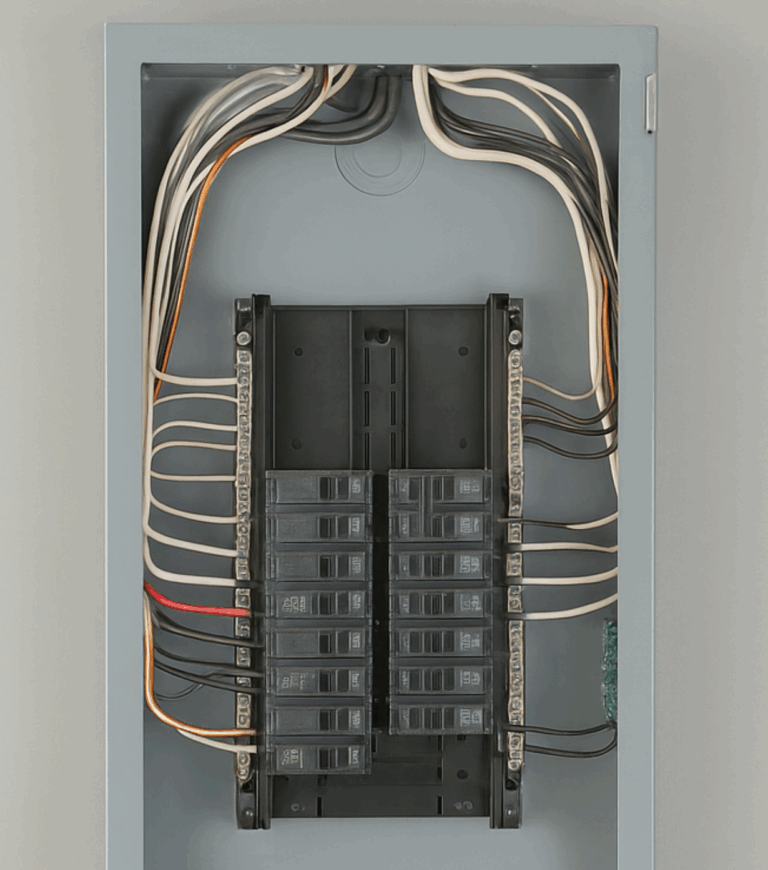
Moreover, many remodels trigger the necessity of a panel upgrade. If you are adding a new 50 amp electric range, a new 20 amp bathroom circuit, and a new 20 amp kitchen circuit, your older 100 amp electrical panel will likely not have the physical space or the overall capacity to support the new load. An electrician can perform a full load calculation based on your proposed plan and recommend a panel upgrade before the project starts. Addressing the panel upgrade at the beginning saves thousands of dollars by preventing a catastrophic mid-project power shutdown when the current panel fails inspection.
The Professional Advantage: Code Compliance and Assurance
Electrical work in a remodel is not a place for guesswork or a casual DIY approach. Wiring mistakes are not simply inconvenient; they are fire hazards and shock risks. Improperly spliced wires, loose connections, or the failure to use the correct gauge wire for a new dedicated circuit can lead to catastrophic failure months or even years after the remodel is complete. Electrical malfunctions are a leading cause of residential fires, and non code compliant installations often lead to failed home insurance claims.
Hiring a licensed electrician like Gragg Electrical Services provides assurance that your wiring will be safe, reliable, and compliant with all local East Canton codes. We handle the complexity of the NEC, the coordination of permits, and the precise placement of new circuits. We ensure the correct wiring is installed, the proper tamper resistant receptacles are used, and the life saving GFCI and AFCI protection is functional. This is not just an investment in a clean aesthetic; it is an investment in the long term safety, functionality, and legal compliance of your home.
Remodeling your kitchen or bathroom is a fantastic opportunity to build a safer, more efficient living space. However, the complexity of modern electrical code requires expert planning. From the strict spacing of countertop receptacles and the necessary GFCI protection in wet zones, to the dedicated circuit demands of new appliances, the electrical work dictates the success and safety of the entire project. Do not risk costly rework, inspection failures, or worse, your family’s safety by leaving the wiring until the end. By engaging a licensed electrician at the very start of the design phase, you ensure your beautiful, newly remodeled space is powered safely and correctly for decades to come.