Upgrading Electrical Panels: What to Expect
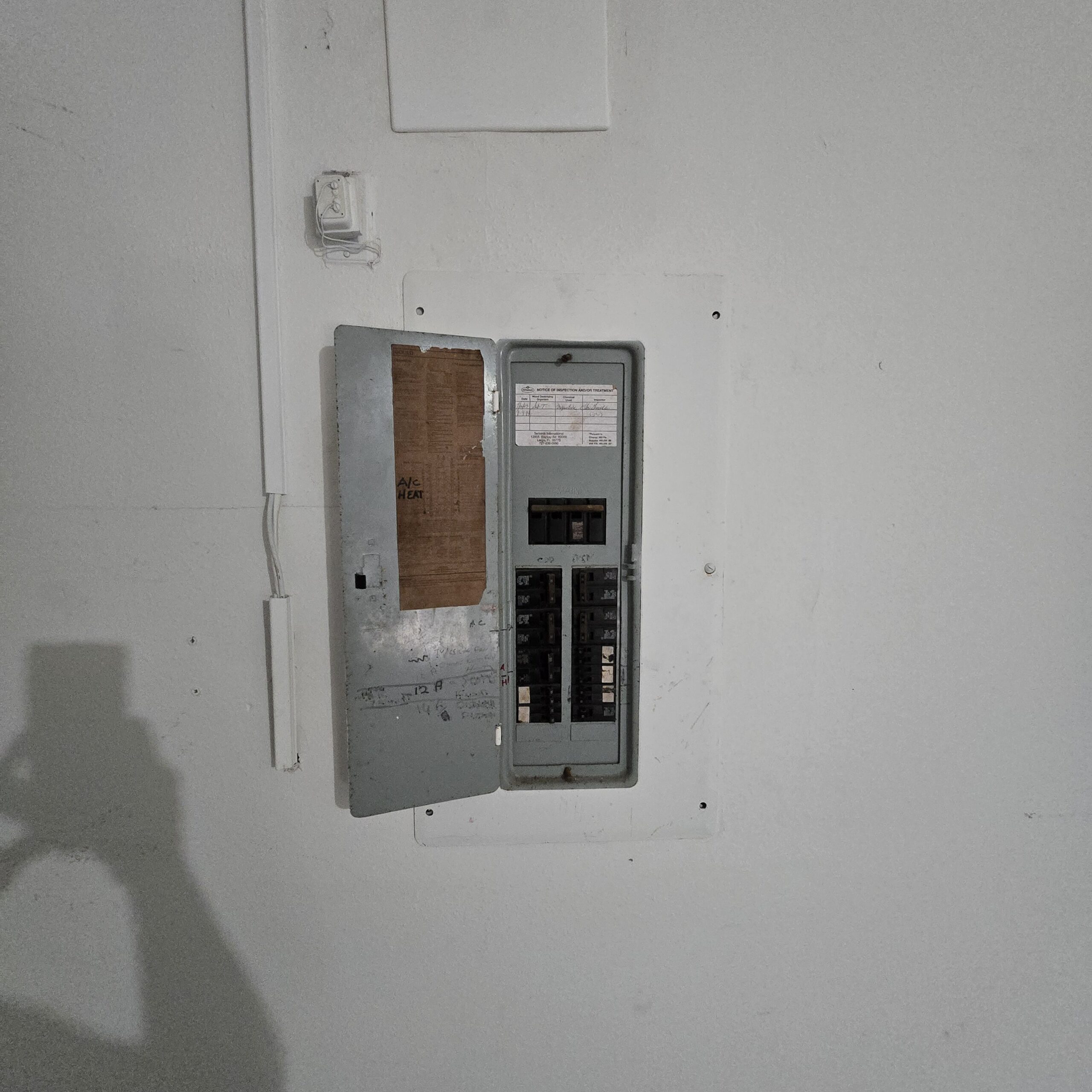
The electrical panel, often referred to as the breaker box, stands as the central safety control system for your entire home. In East Canton, just as in any established community, many residences rely on electrical panels that were engineered for the demands of the 1960s or 1970s. The challenge today is that our homes are fundamentally different. We live with high efficiency HVAC systems, electric vehicle chargers, smart appliances, and complex home offices. These modern technologies place an overwhelming and continuous strain on outdated electrical panels.
An electrical panel upgrade is one of the most critical foundational investments a homeowner can make. It addresses the dangerous imbalance between the massive power demands of the twenty first century and the limited capacity of an aging system. This process involves replacing the entire service entrance, the meter, and the internal components to ensure your home is safe, functional, and equipped for the next few decades of technological evolution. While the idea of a power interruption can be daunting, understanding the safety necessity and the profound benefits demystifies the project entirely.
Signs Your Current Panel Cannot Cope: The Warning Signals
Your home’s electrical system is designed to operate silently and reliably. When it fails to do so, it provides distinct warning signals that must be taken seriously. These are not minor inconveniences; they are indications that the internal wiring may be operating under stress, leading to dangerous thermal conditions.
The most common sign of an overloaded panel is the constant, frustrating tripping of circuit breakers. A breaker trips for one reason: to protect the wiring in your walls from overheating due to an overload or a short circuit. If your breakers are tripping frequently, especially when you use major appliances or plug in certain devices, it means that circuit is structurally undersized for the current demands you place on it. Continually resetting a breaker without professional intervention compromises the system’s ability to protect itself from fire.

Flickering or dimming lights are another clear warning sign. When lights dim momentarily when a large appliance, such as an air conditioner or refrigerator, cycles on, it signifies a voltage drop. The appliance is drawing so much power at startup that it momentarily starves the rest of the circuit. This voltage instability is harmful to sensitive electronic components and is a clear demonstration that your main electrical service is strained beyond its capable limits. It signifies a fundamental lack of reserve capacity in your home’s main service line.
Beyond these operational issues, homeowners must watch for physical signs of overheating. If the faceplate of an outlet or a light switch is warm to the touch, or if the panel itself feels warm, it signifies dangerous thermal activity. Heat is generated by resistance, which is caused by loose or corroded connections within the wiring or the breaker itself. This excessive heat can rapidly melt wire insulation, leading directly to a fire hazard. Similarly, any unexplained buzzing sound coming from the panel or a faint smell of burnt plastic or ozone are immediate alarms that necessitate calling a qualified electrician without delay.
Why Older Panels Are a Structural Safety Risk
The most compelling reason for an electrical panel upgrade is not convenience; it is the presence of inherent safety defects found in aging equipment. Many older panels were engineered before modern safety standards were fully realized, and some brands have been identified as specific fire risks.
The foundational problem is outdated ampacity. Many homes were initially built with 60 amp service, which was later upgraded to 100 amp service. While 100 amps was once standard, it cannot safely handle the complex electrical ecosystem of a modern home. Trying to power an electric dryer, central air conditioning, and a high efficiency furnace on a 100 amp service forces the entire system to operate at maximum capacity constantly. This sustained overload generates chronic, harmful heat throughout the wiring infrastructure.
Need a panel upgrade? Click here for our electrical panel upgrade service.
This risk is compounded by notorious manufacturing defects found in specific legacy brands. Panels manufactured by companies like Federal Pacific Electric, or FPE, containing “Stab Lok” breakers, are widely considered to be a structural fire hazard. The severe design flaw in these breakers causes them to fail to trip when the circuit is overloaded or short circuited. This failure to disconnect power means the wires continue to heat up until they ignite the surrounding materials. Similarly, Zinsco panels, which also have a documented history of breaker failure and melting to the bus bar, represent a continuous, unacceptable fire risk that must be professionally remediated.
Even older homes relying on fuse boxes face significant dangers. Fuses function as a safety shutoff, but they are often misused. Homeowners may replace a blown 15 amp fuse with a larger 20 amp fuse, or even use non electrical items like pennies to bypass the fuse entirely. This intentional circumvention of safety features leaves the home completely unprotected against overcurrent, virtually guaranteeing that the wires will overheat before the compromised fuse or bypass melts. Replacing a fuse box with a modern breaker panel is a non negotiable safety upgrade.
The Core Upgrade: Ampacity and Circuit Management
The central goal of an electrical panel upgrade is to increase the home’s ampacity, or total available current, and to improve circuit management. This process transitions the home from an inadequate 100 amp service to a robust 150 amp or 200 amp service, which is now the industry standard for safe residential power delivery.
The physical increase in ampacity requires replacing the entire service entrance. This includes upgrading the wires that run from the utility source to the house, replacing the electrical meter socket where the power is measured, and installing a new, larger main breaker capable of handling the increased current. This ensures that the electrical capacity matches the needs of the modern appliances installed within the home, providing stable voltage and reducing overall thermal stress on the system.
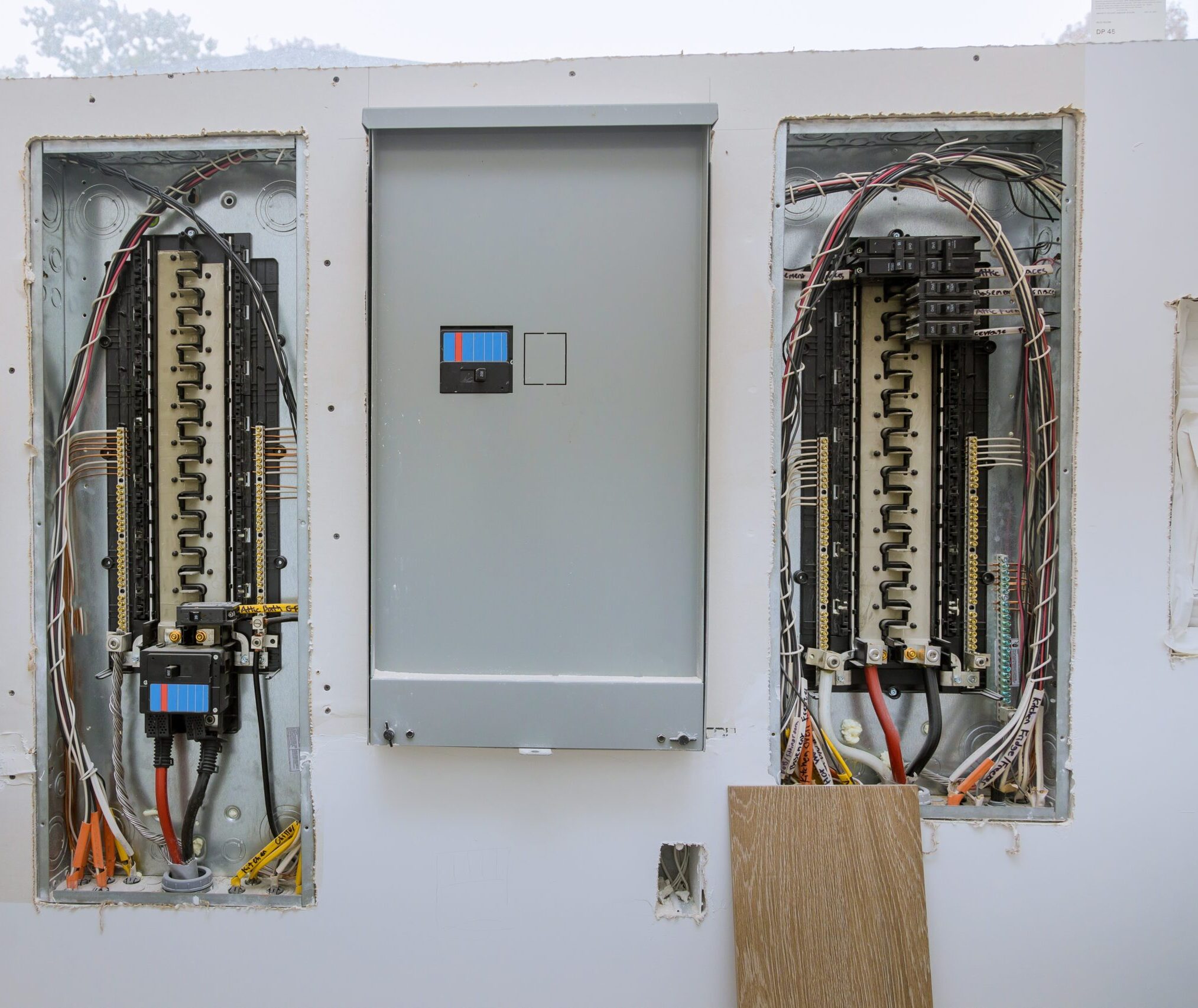
A significant benefit is the improved ability for circuit management. A new panel is physically larger and has more available slots for individual circuit breakers. This allows the electrician to separate previously shared, overloaded circuits. For instance, the lighting, bathroom outlets, and living room receptacles that once shared a single 15 amp circuit can be cleanly divided into multiple, protected circuits. This division ensures that each circuit operates far below its maximum load, eliminating nuisance tripping and improving safety. A 200 amp panel is not just about bringing in more power; it is about organizing and protecting that power more intelligently across the entire home.
The Value Proposition: Enhanced Safety and Future-Proofing
An electrical panel upgrade is one of the rare home investments that pays dividends across multiple areas: safety, functionality, and financial value. The enhanced safety is paramount. Modern panels come equipped with reliable thermal and magnetic circuit breakers that are certified to fail safe, immediately shutting down power during an overload and eliminating the fire hazard inherent in older panels. The upgrade also provides the ideal opportunity to integrate whole home surge protection directly into the new panel, safeguarding every electronic device in the home against voltage spikes.
Want to know the benefits of installing an EV charger? Click here for more information.
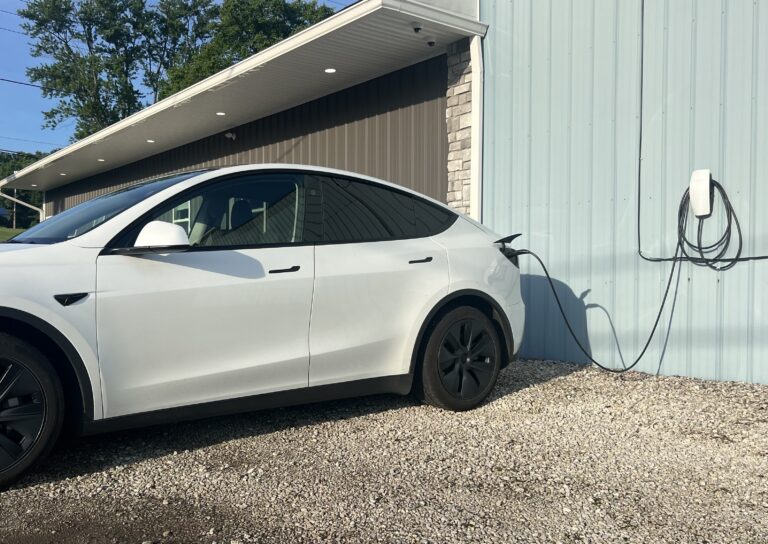
In terms of functionality, a 200 amp panel is a prerequisite for supporting today’s high demand devices. Without a panel upgrade, a homeowner cannot safely install an electric vehicle charging station, add a dedicated circuit for a large tankless water heater, or install a second HVAC unit. The new panel provides the necessary reserve capacity, ensuring that the installation of new high draw appliances, such as induction cooktops or home saunas, is a straightforward addition, not a complex electrical obstacle.
Furthermore, an approved panel upgrade significantly enhances the property’s resale value and insurable standing. Home inspectors often flag outdated or defective electrical panels as major deficiencies, which become significant negotiating points that reduce the home’s final selling price. Replacing a known hazardous brand, such as FPE or Zinsco, resolves insurance liability concerns and improves the home’s standing with insurance companies. This upgrade is a clear statement to future buyers that the foundational safety of the home has been addressed and modernized.
Minimizing Disruption and Maximizing Professional Oversight
While the homeowner does not need to know the technical steps of the installation, it is helpful to understand the professional oversight involved. A service panel upgrade is not a DIY job; it is a job involving the main power line, which carries lethal voltage. It requires professional coordination and compliance throughout the entire process.
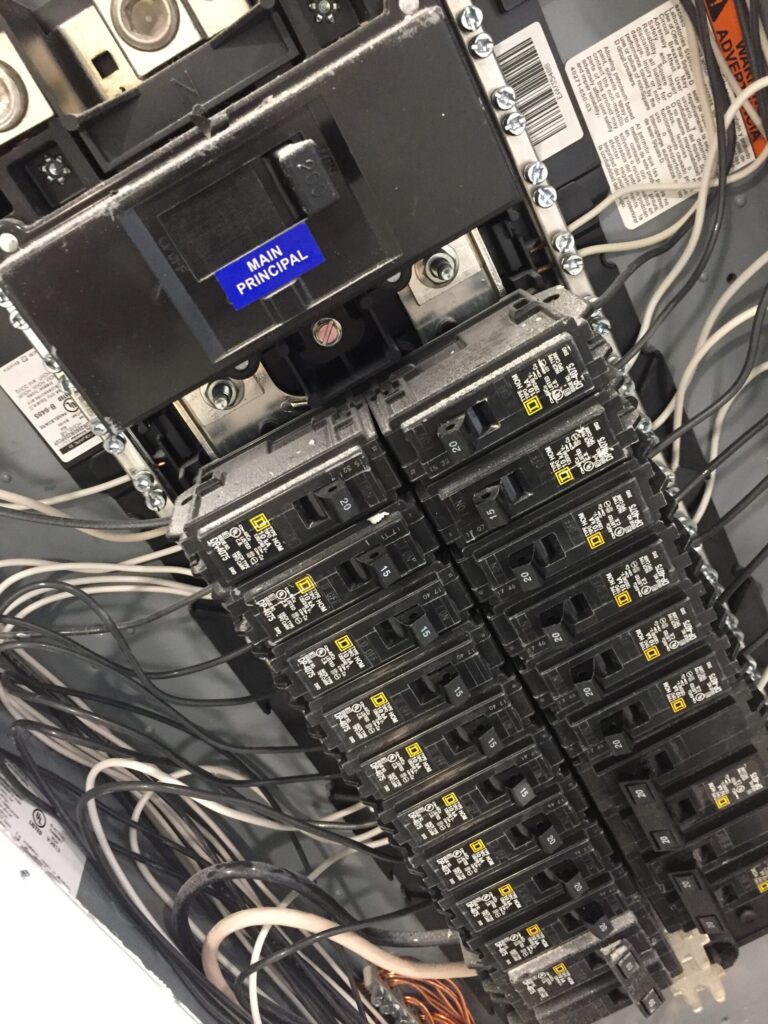
A licensed electrician performs an exhaustive load calculation before beginning the project. This critical assessment determines the exact capacity needed for your home’s current and anticipated future needs. This upfront work ensures the new panel is correctly sized and that the necessary permits are secured from the local East Canton jurisdiction. Securing permits guarantees that a local inspector will review the final work, verifying that the installation meets all necessary safety codes before the system is finalized.
The physical installation necessarily involves a temporary power cutoff. The electrician coordinates this outage with the local utility company to ensure the service line is safely disconnected before any work on the meter or panel begins. While the loss of power is inconvenient, it is a managed process that typically lasts for the better part of one working day. The entire complexity of the installation, utility coordination, and code compliance is managed entirely by the licensed electrician, allowing the homeowner to anticipate only the safe, secure results.
The electrical panel is the central safety control for your home. If your East Canton home is over twenty years old, or if you regularly experience flickering lights and tripping breakers, your electrical system is sending a clear signal that it is overburdened and outdated. Upgrading your electrical panel is an essential investment that removes immediate fire hazards, brings your property into compliance with modern safety codes, and provides the capacity needed for today’s high tech life. Do not wait for a component failure or a fire to force your hand. Be proactive, assess your system’s needs, and ensure the safety and functionality of your most important asset.