What to Do When Snow Knocks Out Your Power
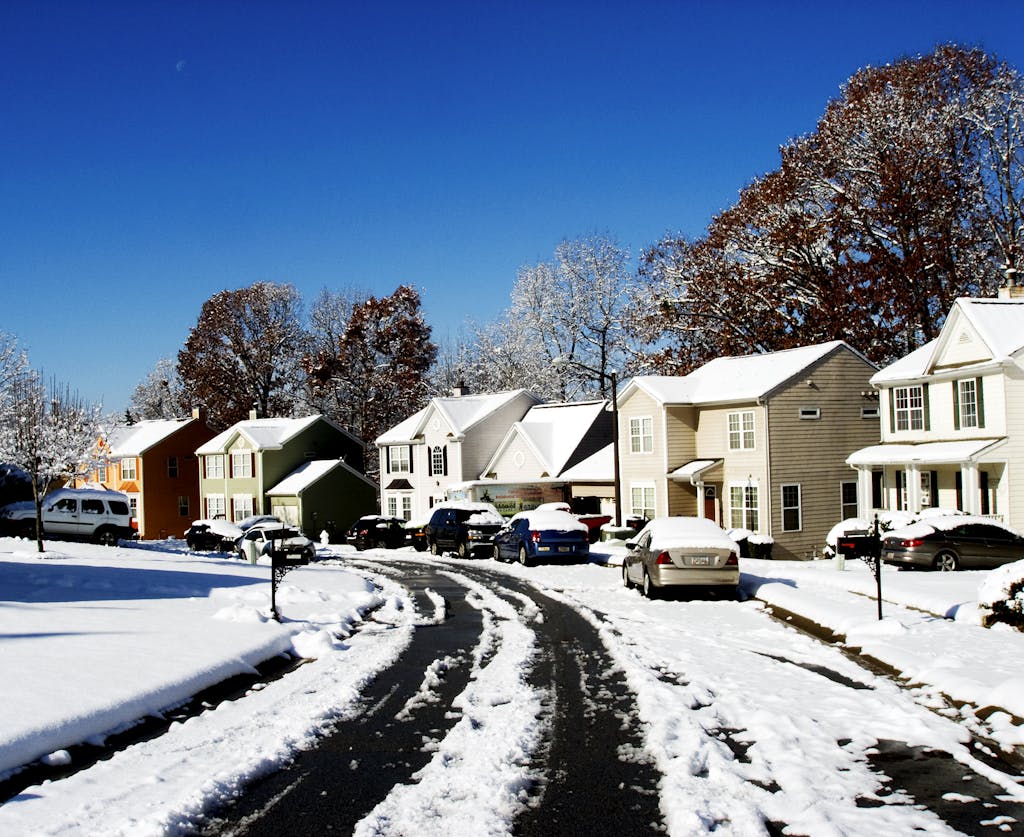
Winter in East Canton brings a quiet beauty to the landscape, but it also carries the heavy weight of snow and ice that can quickly wreak havoc on the local power grid. When the weight of a winter storm causes tree limbs to snap or ice-laden lines to sag and break, homeowners are often left in the dark and the cold without much warning. In these moments, your home stops being a place of modern convenience and starts requiring a strategy for safety and preservation. Understanding the immediate steps to take can make the difference between a manageable inconvenience and a genuine household emergency.
The loss of electricity during a freeze is more than just a lack of light; it affects your heating system, your ability to keep food fresh, and your connection to the outside world. Gragg Electrical Services knows that the residents of our community are resilient, but being prepared for a total blackout requires a specific set of priorities. From managing your electrical panel to ensuring your plumbing doesn’t freeze, a methodical approach to a power outage is the best way to protect your property and your family until the utility crews can restore the flow of energy to your neighborhood.
Immediate Safety and Reporting Steps
The very first thing you should do when the lights flicker and die is verify the scope of the outage. Look out your windows to see if your neighbors’ homes are also dark or if the streetlights have gone out. If the entire block is dark, the issue is likely a utility-side failure. However, if your house is the only one without power, you may have an isolated issue such as a blown transformer near your property or a fault within your own main service panel. Regardless of the cause, your first phone call should be to your local utility company to report the outage, as they rely on customer data to map out and prioritize repair locations.
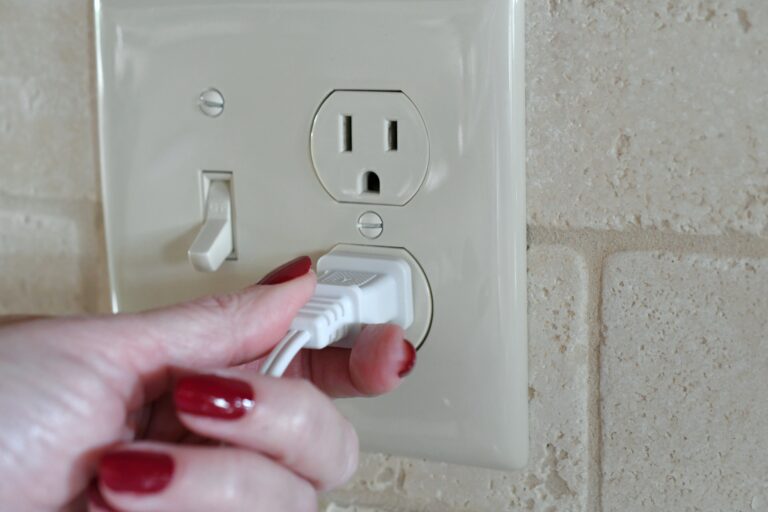
Once the outage is reported, you must address the potential for power surges. When electricity eventually returns to the grid, it often arrives with a sudden spike in voltage that can fry the sensitive microprocessors in your computers, televisions, and kitchen appliances. To prevent this, go through your home and unplug major electronics. Leave one lamp turned on in a visible area so you will know immediately when the power is restored, but keep the rest of your high-value items disconnected from their outlets until the electricity has been stable for at least several minutes.
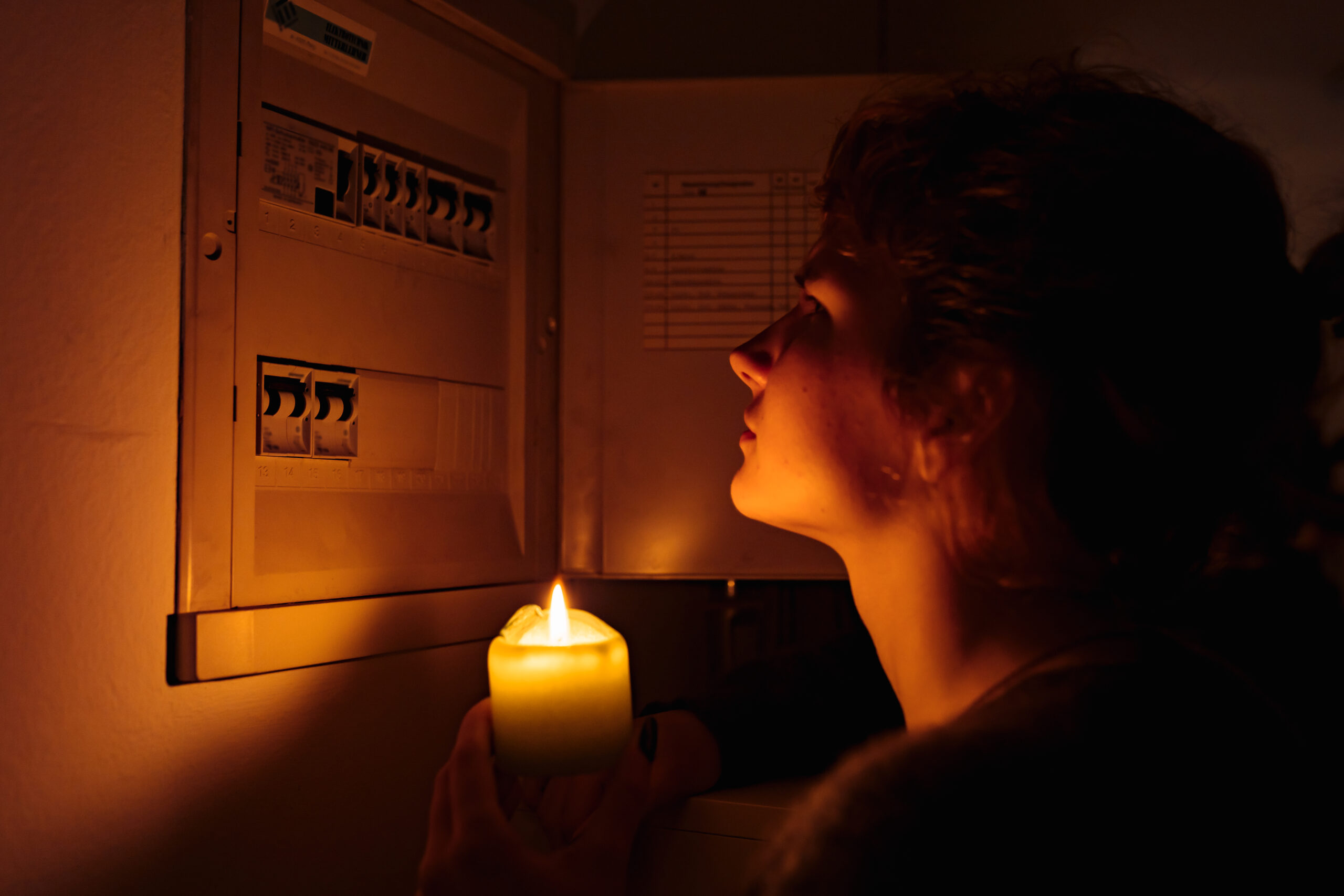
Safety inside the home also means being extremely careful with how you provide temporary light. While candles are a traditional choice, they represent a significant fire hazard, especially in a dark house where they might be easily knocked over. Battery-powered LED lanterns and flashlights are much safer and more effective. If you must use candles, never leave them unattended and keep them far away from curtains or flammable decorations. Ensure that everyone in the household knows where the emergency lighting kit is kept so that no one is left wandering in the dark.
Protecting Your Home Infrastructure and Plumbing
In East Canton, the greatest threat during a prolonged winter power outage is the plummeting internal temperature of the home. When your furnace or heat pump loses power, the heat begins to dissipate quickly through windows and doors. To slow this process down, keep all interior doors closed to trap heat in smaller spaces and use towels or draft stoppers at the base of exterior doors. If you have a fireplace or a wood-burning stove, this is the time to put it to use, but ensure the chimney is clear of obstructions and that you have a functioning carbon monoxide detector nearby.
Need a generator install? Click here for our generator installation service.
Your plumbing is particularly vulnerable when the heat goes out. If the temperature inside your walls drops below freezing, the water in your pipes can expand and cause the copper or PEX lines to burst, leading to catastrophic water damage once the ice melts. To prevent this, open the cabinets under your sinks to allow whatever ambient heat remains in the room to reach the pipes. You should also turn your faucets to a very slow drip. The constant movement of water makes it much more difficult for ice to form inside the line, providing a vital layer of protection for your plumbing system.
If the outage is expected to last for more than a day and the indoor temperature is approaching the freezing mark, you may need to take more drastic measures. This could include shutting off the main water valve and draining the lines entirely by opening the lowest faucets in the house. This removes the water that would otherwise freeze and break the pipes. While this is an inconvenience, it is far less expensive than dealing with a flooded basement or ruined drywall once the power and heat finally return.
Food Safety and Management During a Blackout
A refrigerator can typically keep food at a safe temperature for about four hours if the door remains closed. A full freezer can maintain its temperature for nearly forty-eight hours, or twenty-four hours if it is only half full. The golden rule during a snow-induced power outage is to keep the doors shut. Every time you open the refrigerator to check on your food, you let out the cold air and significantly shorten the window of safety for your perishables.
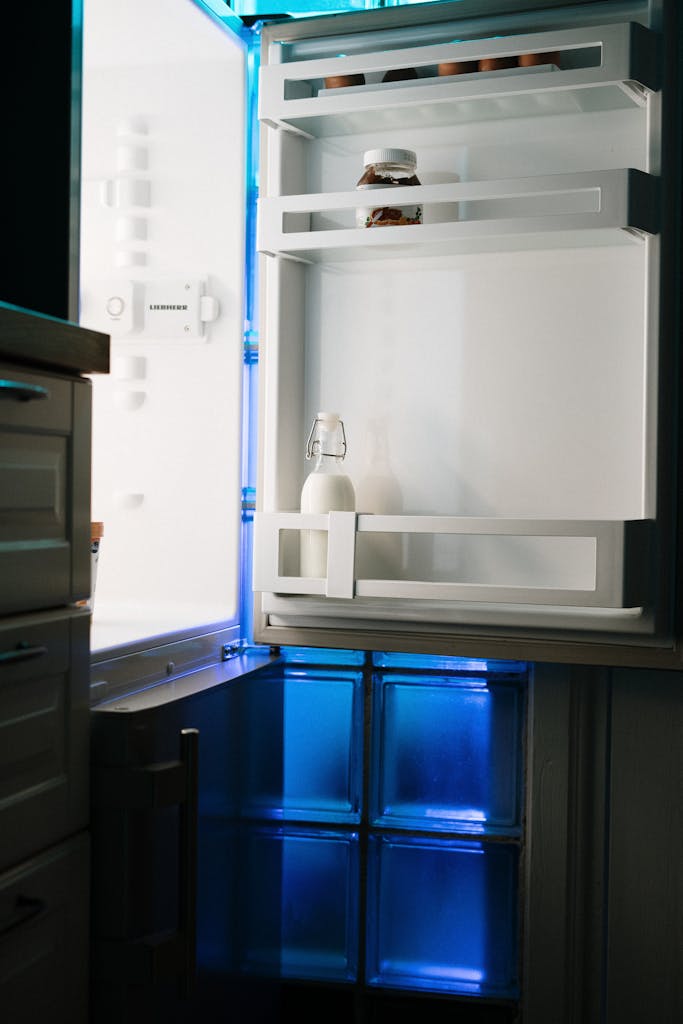
If you suspect the outage will last longer than four hours, you may want to move highly perishable items like milk, meat, and eggs into a cooler with ice. If there is plenty of snow on the ground, it may be tempting to put your food outside, but this can actually be counterproductive. The sun can warm the food even in cold air, and local wildlife may be attracted to the easy meal. A better use of the snow is to fill plastic containers or bags with it and place them inside your refrigerator or cooler to act as makeshift ice blocks.
Once the power is restored, you must carefully evaluate the safety of your food. Use a food thermometer to check the temperature of items in the refrigerator; anything that has been above forty degrees Fahrenheit for more than two hours should be discarded. When it comes to the freezer, if items still contain ice crystals or feel as cold as a refrigerator, they can generally be safely refrozen. However, remember the old adage: when in doubt, throw it out. The cost of replacing groceries is much lower than the physical and financial cost of foodborne illness.
The Hazards of Improper Supplemental Heating
When the house gets cold, the temptation to use alternative heating sources is strong, but many of these methods are incredibly dangerous. You should never use a gas oven or the burners on a stove to heat your home. These appliances are not designed for continuous use as a space heater and can quickly fill your home with carbon monoxide, a colorless, odorless gas that can be lethal before you even realize it is present. Similarly, never bring a charcoal grill or a portable propane camping heater inside the house, as these also produce dangerous levels of carbon monoxide.
If you are using a portable electric space heater once a generator is running, ensure it is plugged directly into a wall outlet and not an extension cord. Space heaters draw a high amount of current that can easily overheat a standard extension cord, leading to a fire. Keep the heater at least three feet away from any flammable materials like bedding, curtains, or furniture. Always turn off the space heater before you go to sleep or leave the room to ensure it doesn’t tip over or malfunction while unattended.
For those with a generator, placement is the most critical safety factor. A portable generator must be operated outdoors, at least twenty feet away from the house, and positioned so that the exhaust is pointing away from windows and doors. Many people mistakenly think the garage is a safe place to run a generator if the door is open, but carbon monoxide can still accumulate in the garage and seep into the living areas of the house. Always have a battery-operated carbon monoxide detector functioning in your home whenever you are using supplemental heat or power sources.
Evaluating Your Electrical System After Restoration
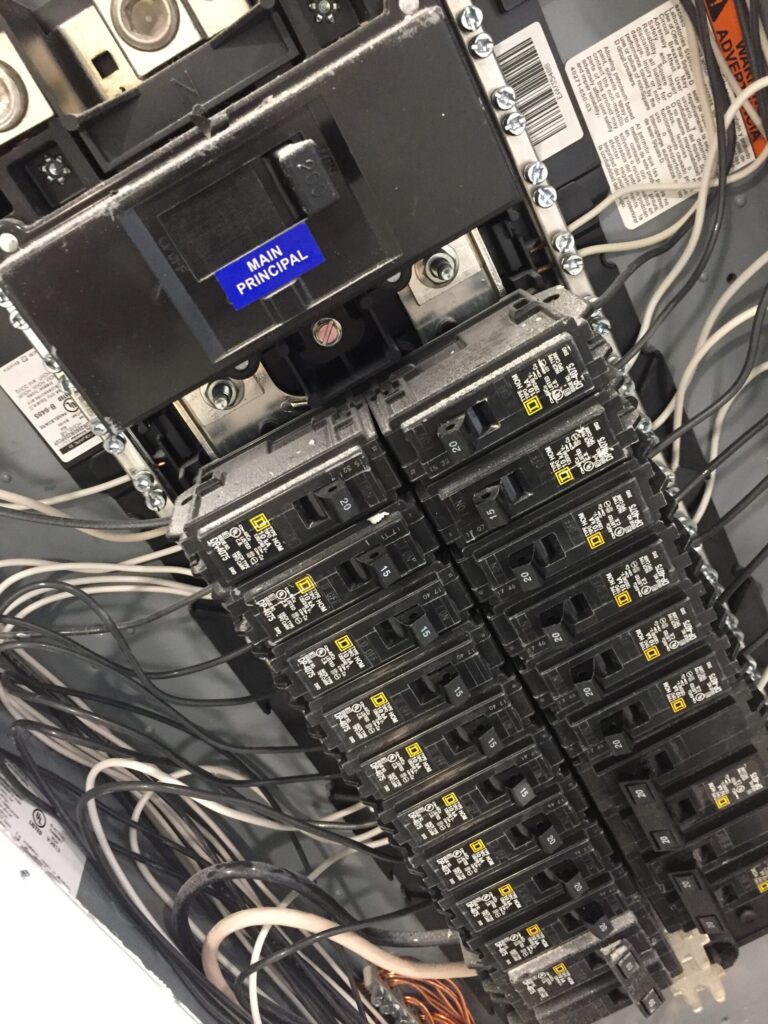
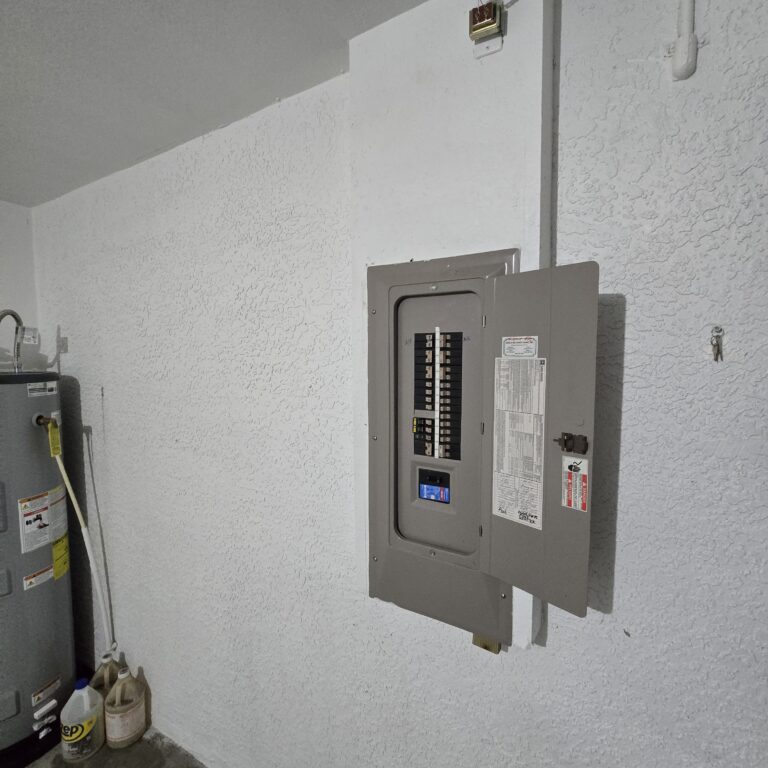
When the power finally comes back on, your work isn’t quite finished. You should move through the home and check all of your major systems to ensure they have restarted correctly. Check your furnace or heat pump to make sure it is actually blowing warm air and that the thermostat hasn’t reset to a default factory setting. Sometimes, the sudden return of power can trip a circuit breaker, so if a particular room or appliance is still dark, check your main electrical panel to see if any switches have flipped to the off position.
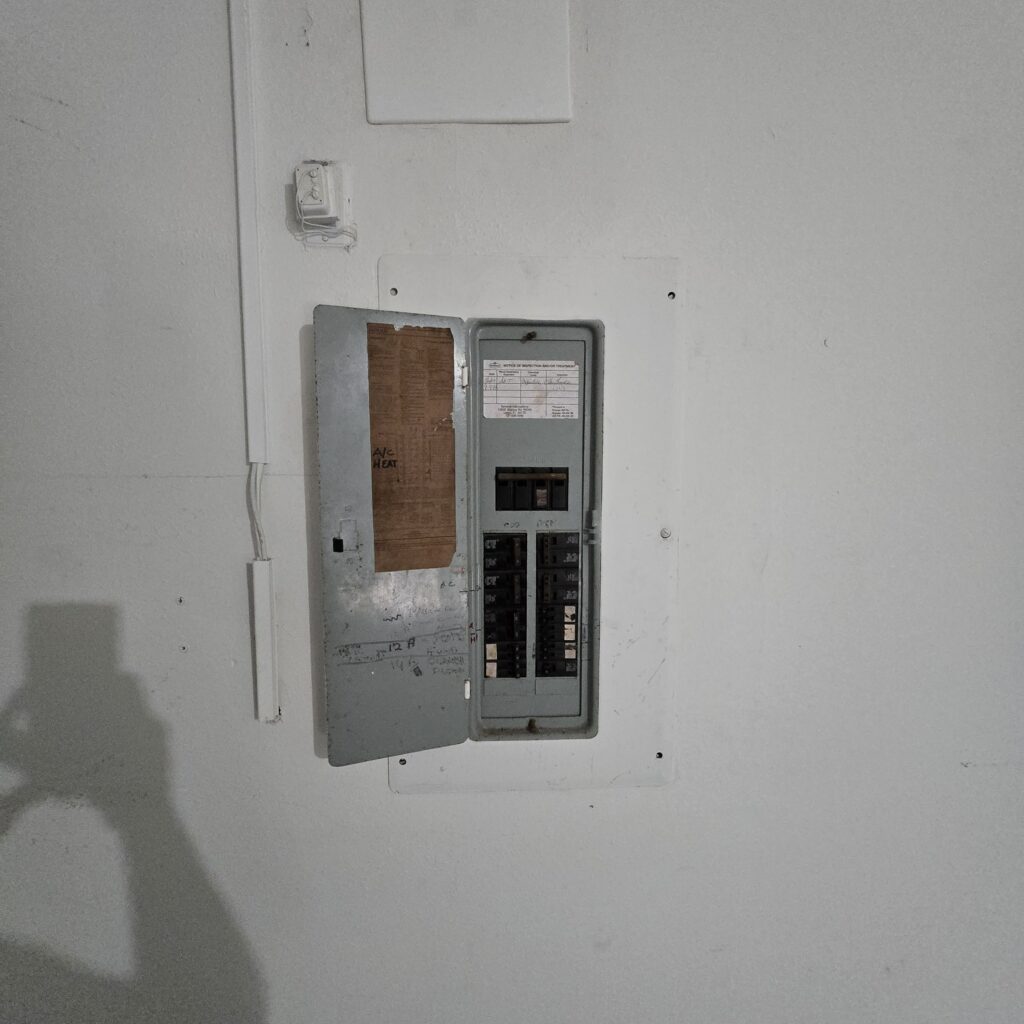
This is also an important time to inspect your home for any signs of electrical damage that may have occurred during the storm. Look for flickering lights, a smell of burning plastic near outlets, or any humming sounds coming from the panel. If a tree limb fell on your service line during the storm, even if the power is back on, there could be damage to the weatherhead or the mast that requires a professional repair to remain safe. Any physical damage to the equipment on the side of your house should be addressed by a licensed electrician immediately.
Finally, use the experience of the outage to evaluate your home’s readiness for the next winter storm. If you found yourself struggling with the cold or worried about your sump pump overflowing, it might be time to consider a permanent solution. An automatic standby generator or a professionally installed manual transfer switch for a portable unit can provide a much higher level of security. Reflecting on what went well and what was difficult during the blackout will help you build a more robust plan for the future, ensuring that your East Canton home remains a safe haven regardless of the weather.
A snow-related power outage in East Canton is a test of preparation and patience. While the lack of electricity is frustrating, focusing on the immediate safety of your family and the protection of your home’s infrastructure is the most effective way to navigate the storm. By reporting the outage, preventing pipe freezes, managing your food supply safely, and avoiding the deadly risks of carbon monoxide, you can weather the dark hours with confidence. Once the utility crews have done their difficult work and the lights return, take a moment to assess your system and consider upgrades that could make the next winter event even easier to handle. Gragg Electrical Services is always here to help you shore up your home’s defenses, ensuring that you are never truly left in the dark.