What’s a Dedicated Circuit and Why You Might Need One
Modern homes in East Canton are filled with more technology and high powered appliances than ever before. While the convenience of these devices is undeniable, they place a significant amount of stress on an electrical system that may not have been designed to handle such a heavy load. One of the most common issues homeowners face is the frequent tripping of circuit breakers, particularly in the kitchen or laundry room. Often, this is the result of multiple high draw appliances competing for power on the same wire. The solution to this problem is the installation of a dedicated circuit, a fundamental electrical upgrade that ensures your most important devices have the reliable power they need to function safely.
Understanding the infrastructure of your home’s electrical system is the first step in maintaining a safe and efficient property. Most people interact with their electrical panel only when something goes wrong, but being proactive about how your circuits are distributed can prevent equipment damage and reduce the risk of electrical fires. Gragg Electrical Services specializes in evaluating home power needs and installing dedicated lines that bring residential systems up to modern standards. By isolating heavy loads, you protect both your expensive appliances and the integrity of your home’s wiring.
The Basic Anatomy of a Dedicated Circuit
To understand why a dedicated circuit is necessary, it is helpful to first understand how a standard branch circuit works. In a typical East Canton home, a single 15 amp or 20 amp circuit might power all the outlets and lights in two different bedrooms. This is known as a general purpose branch circuit. Because the devices used in a bedroom, such as lamps, alarm clocks, and phone chargers, draw very little current, several of them can operate simultaneously on that one wire without overloading the system. The power is shared among all the receptacles on that loop.
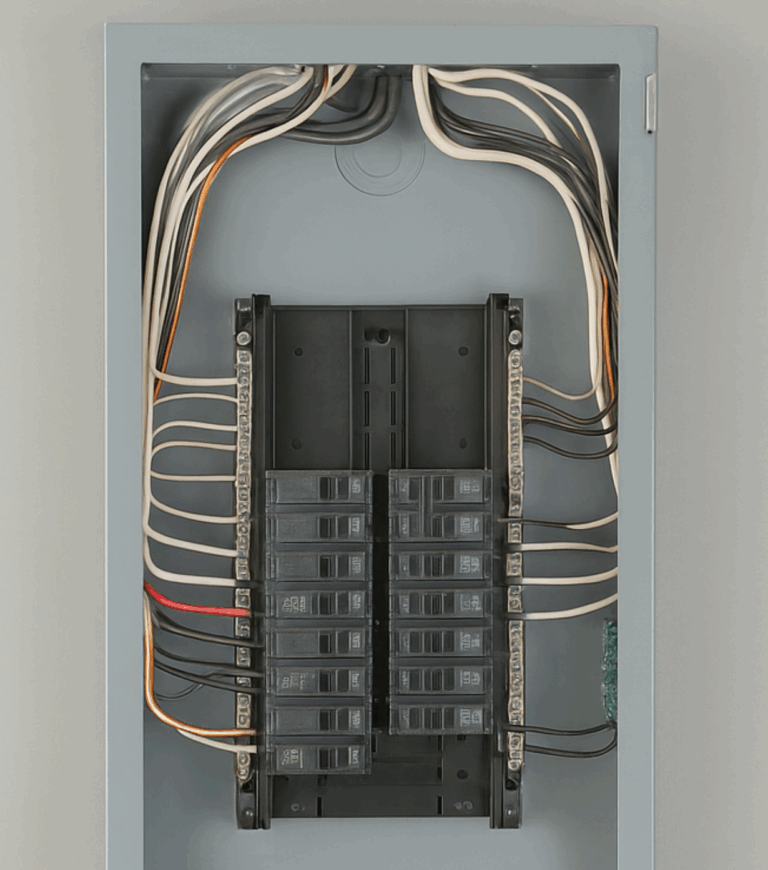
A dedicated circuit is fundamentally different because it is intended to serve only one specific appliance. It has its own individual circuit breaker in the main electrical panel and a single run of wire that goes directly to one outlet or hardwired connection. No other lights, outlets, or devices are allowed to be connected to this line. This ensures that the full amperage of that circuit is available exclusively for that one piece of equipment. If a refrigerator is on a dedicated circuit, for example, it will never have to compete with a toaster or a microwave for electricity, eliminating the possibility of a nuisance trip.
This isolation is a critical safety feature mandated by the National Electrical Code for many high demand appliances. When an appliance is forced to share a circuit, the total demand can easily exceed the rating of the breaker. This causes the breaker to trip to prevent the wires from overheating. While the breaker is doing its job, the frequent interruption of power can damage the sensitive compressors and electronic control boards inside your appliances. A dedicated circuit provides a stable, uninterruptible environment that prolongs the life of your equipment and prevents the frustration of constant power resets.
Why the Modern Kitchen Demands Dedicated Lines
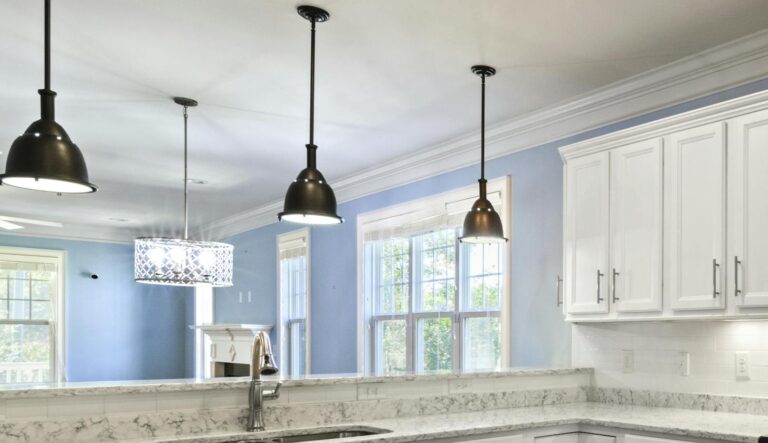
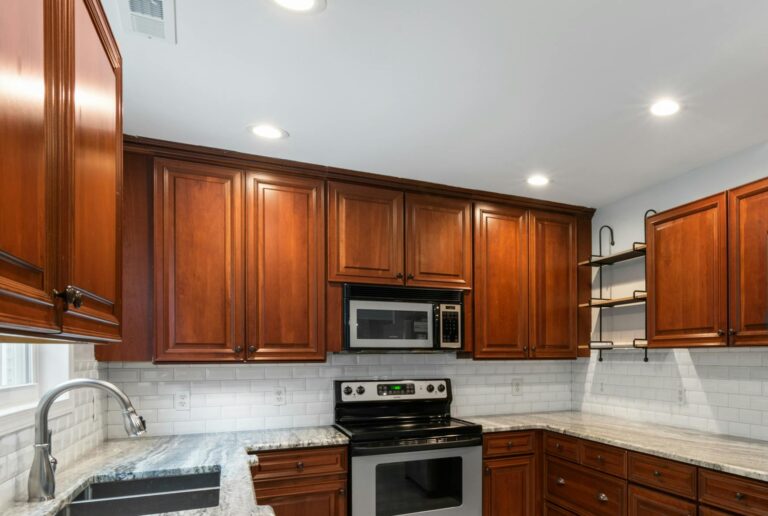
The kitchen is the most electrically intensive room in any home, containing a high concentration of appliances that generate heat or use powerful motors. In older East Canton homes, it was common for all the countertop outlets to be on a single circuit. However, a modern kitchen with a high wattage coffee maker, an air fryer, and a powerful blender will quickly overwhelm that legacy wiring. This is why the electrical code now requires several dedicated lines in the kitchen to ensure safety and functionality.
Large, stationary appliances are the primary candidates for dedicated circuits. Your refrigerator, dishwasher, and microwave should each be on their own individual lines. Refrigerators are particularly sensitive because if they share a circuit that trips while you are away from home, you risk losing hundreds of dollars in spoiled food. Dishwashers and garbage disposals also require high amounts of current during their start up cycles, and sharing a circuit with other high draw items is a recipe for a blown fuse or a tripped breaker.
Beyond the major appliances, the countertop receptacles themselves require specialized attention. Current codes require at least two 20 amp small appliance branch circuits for the kitchen counters. While these are technically shared among the outlets on the counter, they are dedicated to the kitchen area alone and are not allowed to power lights or outlets in other rooms. This provides the necessary capacity for you to use a toaster and an electric kettle at the same time. If you find yourself unable to use more than one kitchen gadget at once, it is a clear sign that your kitchen wiring is outdated and needs the addition of dedicated circuits.
Protecting Your HVAC and Laundry Systems
Outside of the kitchen, the most significant electrical loads in your home are your heating, ventilation, and air conditioning systems, along with your laundry appliances. These systems often utilize 240 volt power and draw massive amounts of amperage. Because of the sheer volume of electricity they require, they must always be on dedicated circuits. A central air conditioning unit or a modern heat pump has a dedicated double pole breaker in the panel because it requires more power than a standard 120 volt outlet can provide.
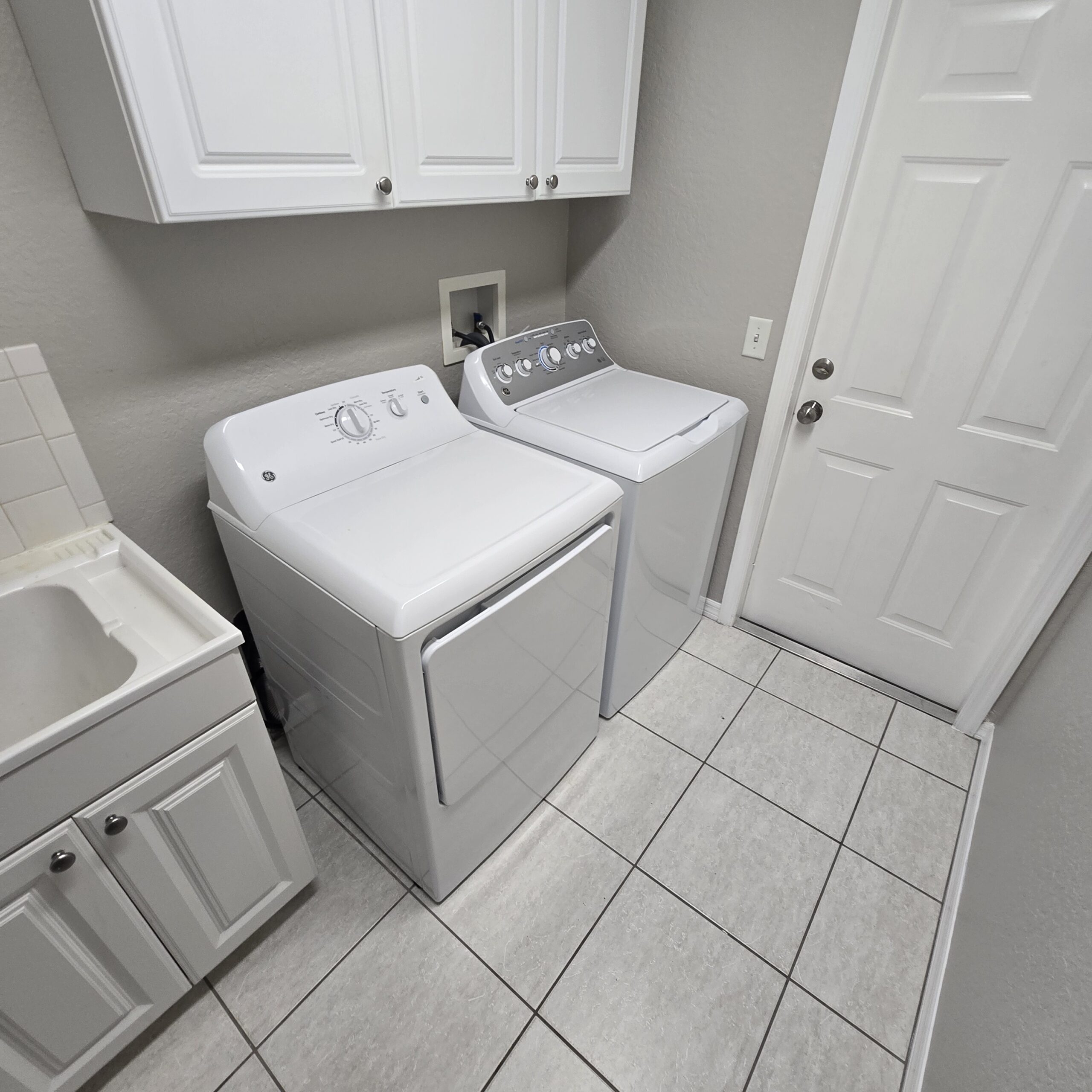
The laundry room is another area where dedicated circuits are a non negotiable requirement. An electric clothes dryer uses a dedicated 30 amp, 240 volt circuit because the heating elements draw an enormous amount of energy. Even the washing machine, which runs on a standard 120 volt outlet, is required by code to have its own dedicated 20 amp circuit. This is because the motors used to agitate and spin heavy loads of wet laundry create significant electrical demand. Sharing that circuit with a space heater or a vacuum cleaner would almost certainly result in a trip.
Water heaters, whether they are traditional tanks or modern tankless units, also require dedicated lines. An electric water heater is one of the largest energy consumers in a home, and its heating elements must have a direct, uninterrupted path to the electrical panel. By ensuring these foundational systems have their own dedicated power supplies, you prevent the risk of a failure in one system affecting the rest of your home. It also makes troubleshooting much easier; if your dryer stops working, you know exactly which breaker to check, and you know the issue isn’t being caused by a faulty lamp in another room.
Specialized Equipment and Home Office Needs
As more East Canton residents transition to working from home, the home office has become a place where dedicated circuits are increasingly beneficial. While a standard laptop doesn’t require much power, a setup that includes high end desktop computers, multiple monitors, laser printers, and specialized server equipment can quickly reach the limit of a shared bedroom circuit. Laser printers, in particular, draw a large spike of current when they first begin to heat up their fuser rollers, which can cause lights on the same circuit to dim or sensitive electronics to reboot.
Home workshops and garages also frequently require dedicated lines. Power tools like table saws, air compressors, and dust collection systems have high torque motors that pull significant amperage when they start up. Using these tools on a shared circuit that also powers your garage door opener and outdoor lights is likely to cause frequent interruptions. For many homeowners, installing a dedicated 20 amp circuit for a workbench is a standard upgrade that allows for the safe and efficient use of heavy duty tools without affecting the rest of the home’s lighting.
Another growing need for dedicated circuits is in the area of home wellness and entertainment. Sump pumps, which are vital for preventing basement flooding in our region, must be on their own circuit to ensure they have power when they are needed most during a storm. Similarly, hot tubs, saunas, and high end home theater systems with powerful amplifiers all require dedicated power. These items are significant investments, and providing them with an isolated, stable electrical supply is the best way to protect them from the voltage fluctuations that can occur on shared branch circuits.
Recognizing the Warning Signs of Overloaded Circuits
The most obvious sign that you need to add dedicated circuits to your home is the frequent tripping of a particular breaker. Circuit breakers are safety devices designed to shut off power when the current exceeds the safe limit of the wiring. If you find yourself walking to the basement or the garage to reset a breaker every time you use the microwave or the vacuum, your system is telling you that the demand on that circuit is too high. Ignoring this sign and simply resetting the breaker repeatedly can eventually lead to the failure of the breaker itself or the degradation of the wire insulation inside your walls.
Flickering or dimming lights are another subtle but important warning sign. When a high draw appliance like a refrigerator or an air conditioner kicks on, it may momentarily pull so much current that it causes a drop in voltage for other devices on the same circuit. This is most visible as a brief dimming of the lights. While a very slight flicker can be normal in some older systems, frequent or dramatic dimming is an indication that the circuit is overtasked. Installing a dedicated line for that large appliance will isolate its start up surge, preventing it from affecting the rest of your home’s lighting.
You should also be aware of any buzzing sounds, localized heat, or burning smells near your outlets or the electrical panel. These are critical warning signs that the shared wiring is struggling to handle the electrical load. Heat is a byproduct of electrical resistance, and when a circuit is pushed to its maximum capacity for long periods, that heat can melt plastic components and start fires. If an outlet feels warm to the touch or if you see discoloration on the faceplate, you should stop using that circuit immediately and call a licensed professional to evaluate whether a dedicated circuit is necessary to resolve the overload.
The transition from a home with shared branch circuits to one with properly installed dedicated lines is a major step toward total electrical safety and convenience. Dedicated circuits provide the foundational support that modern high performance appliances and technology require to operate at their best. By isolating heavy loads like your kitchen appliances, HVAC systems, and workshop tools, you eliminate the frustration of tripped breakers and protect your expensive electronics from power fluctuations. In the East Canton community, Gragg Electrical Services is dedicated to helping homeowners identify these needs and providing professional, code compliant installations. Investing in dedicated circuits is not just a matter of convenience; it is a vital upgrade that ensures your home’s electrical system is robust, reliable, and ready for the future.