Holiday Hosting? Check Your Kitchen’s Electrical Load
The holiday season in East Canton is a time for family, friends, and celebration. For many, the heart of these gatherings is the kitchen. It transforms into a hub of activity, with the oven running for hours, the countertops crowded with appliances, and the air filled with the promise of a feast. While you plan the menu and guest list, there is a critical, unseen component that is essential to your success: your kitchen’s electrical system. During the holidays, this system is pushed to its absolute limit, and an overload is more than an inconvenience. It can be a serious safety hazard.

Most of the year, your kitchen’s electrical wiring handles a predictable load: a refrigerator, a microwave, perhaps a coffee maker and a toaster in the morning. Holiday hosting, however, introduces a massive, sustained power demand. You are not just using one or two high draw items; you are using many, all at the same time. Electric roasters, slow cookers, warming trays, electric knives, stand mixers, and blenders all compete for power. If your home’s wiring is not prepared for this surge, you risk tripped breakers, damaged appliances, or even an electrical fire.
Understanding Your Kitchen’s Electrical Anatomy
A kitchen is not wired like a bedroom or living room. Because of the high concentration of powerful appliances, the National Electrical Code, or NEC, has long required a more robust setup. A modern, code compliant kitchen is a powerhouse, with multiple circuits designed to handle specific, heavy loads. This is a crucial safety measure to prevent any single wire from dangerously overheating.
First, a kitchen has several dedicated circuits. A dedicated circuit is a circuit that serves only one appliance. This ensures that a high power item, like an electric range or a built in microwave, has access to its full required amperage without “stealing” power from or overloading other parts of the home. Your refrigerator and dishwasher are also typically on their own dedicated circuits to prevent a trip from another appliance from shutting them down.
Second, a kitchen is required to have at least two 20 amp small appliance branch circuits. These circuits are what power the receptacles along your countertops. The code requires at least two of them to split the load. This is why a toaster on one counter may not trip a breaker when a blender is used on another. They are 20 amp, rather than the standard 15 amp, specifically because kitchen appliances like toasters, air fryers, and coffee makers draw a significant amount of power.
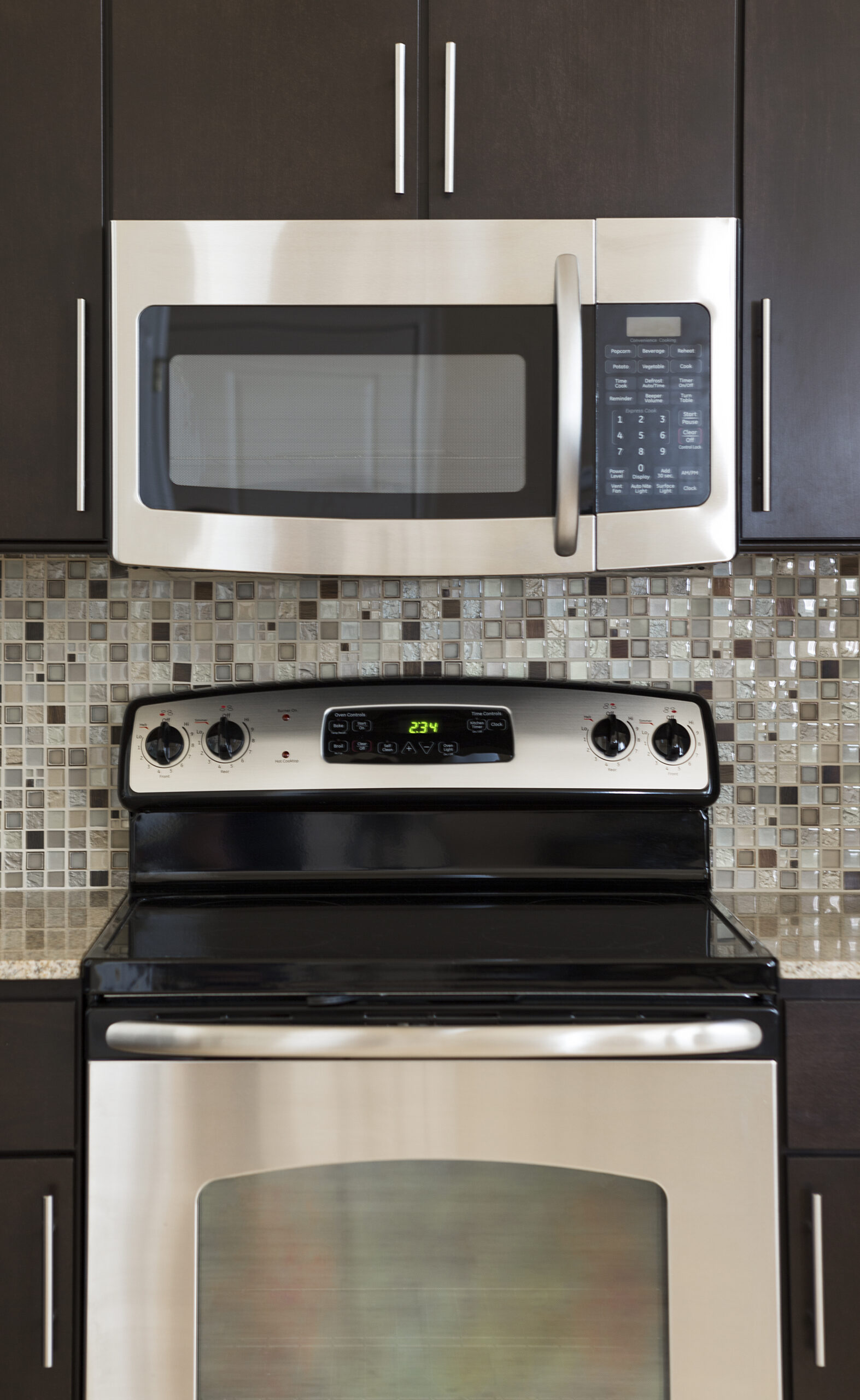
The problem is that many older homes in East Canton were built long before these standards were in place. An older kitchen might have all its countertop outlets, and even the lighting, running on a single 15 amp circuit. This one circuit was never designed to handle a modern coffee maker and a toaster at the same time, let alone the intense, all day demand of a holiday celebration.
The Holiday Power Surge Explained
The problem of a holiday electrical overload is one of simple math. An electrical circuit has a finite capacity. A 15 amp circuit, common in older homes, can safely provide about 1,800 watts of power. A 20 amp small appliance circuit, found in modern homes, provides about 2,400 watts. When you exceed that wattage, the circuit breaker trips to prevent the wires from overheating.
Now consider the appliances used for a holiday feast. A large electric roaster oven, essential for the turkey, can draw 1,500 watts or more all by itself. A six quart slow cooker for side dishes might use 250 watts. A warming tray to keep everything ready for guests can pull 400 watts. A coffee maker can use 1,000 watts while it is brewing.
Want protection from having a power surge? Click here for our Whole House Surge Protector service.
It is easy to see how quickly the load adds up. If your kitchen has an older 15 amp circuit, plugging in just the electric roaster is already consuming 83 percent of the entire circuit’s capacity. If you then plug in a coffee maker, you have created a dangerous overload. Even on a modern 20 amp circuit, plugging in the 1,500 watt roaster and the 1,000 watt coffee maker at the same time will instantly trip the breaker. This is why you must identify which outlets are on which circuit.
Warning Signs of an Overloaded System
Your electrical system will almost always give you warning signs before a catastrophic failure. During the holidays, it is essential to be alert to these signals. They are your system’s way of telling you it is under a dangerous amount of stress.
The most obvious warning sign is a frequently tripping circuit breaker. The breaker is a safety device. When it trips, it is doing its job, protecting the wiring in your walls from overheating. It is not an inconvenience to be reset and ignored. If you plug in the slow cooker and the breaker trips, you have found the circuit’s limit. Do not simply reset it and hope for the best. This continued resetting can weaken the breaker and create a fire hazard.
A more subtle sign is flickering or dimming lights. You may notice this when a large appliance, like the oven or a roaster, cycles on. This dimming is caused by a voltage drop. The appliance is drawing so much power that it is temporarily “starving” the rest of the circuit. This is a clear indication that the circuit is overloaded and struggling to keep up with the demand.
The most dangerous warning signs are physical. Place your hand near an outlet or light switch. If you feel any warmth, you have a serious problem. A properly functioning electrical connection should not generate heat. Warmth is a sign of a loose connection or a severe overload, and it is a major fire precursor. An even more critical sign is any smell of burning plastic or ozone. This often indicates that wire insulation is melting. If you see scorch marks or discoloration on an outlet, it is evidence of arcing and overheating. These signs require immediate attention from a licensed electrician.
The Critical Role of GFCIs in the Kitchen
Beyond the risk of overloads and fires, the kitchen presents a significant risk of electric shock. The combination of water from the sink and spills, and electricity at every outlet, is a dangerous one. This is why the electrical code mandates the use of Ground Fault Circuit Interrupters, or GFCIs, for all countertop receptacles.
A GFCI is a smart outlet that monitors the flow of electricity in a circuit. It measures the current going out on the “hot” wire and coming back on the “neutral” wire. These two amounts should be equal. If the GFCI detects a tiny imbalance, as small as 4 to 6 milliamps, it assumes that current is leaking and taking an alternative path. This path could be through a puddle of water, or worse, through a person. The GFCI instantly, within a fraction of a second, shuts off the power, preventing a fatal shock.
Want to know why GFCI outlets are needed for safety? Click here for more information.
During the chaos of holiday hosting, with multiple people in the kitchen, wet hands, and potential spills, this protection is absolutely essential. Many older homes were built before GFCIs were required. If your kitchen outlets are near a sink and do not have the “TEST” and “RESET” buttons, your kitchen is not as safe as it should be. Upgrading to GFCI receptacles is a fast, simple, and life saving improvement.
The Dangers of “Creative” Solutions
When the breaker trips and the turkey is only half cooked, it is tempting to find a quick fix. Unfortunately, these common “solutions” are often far more dangerous than the original problem. The most common mistake is the overuse of extension cords and power strips.
Many homeowners will run a heavy duty extension cord from an outlet in another room, like the dining room or living room, to power a kitchen appliance. This creates a new set of hazards. First, it creates a trip hazard in a high traffic area. Second, the extension cord itself can be a fire risk. Many common household cords are not rated to handle the sustained 1,500 watt draw of a roaster oven. The cord can overheat, melting its insulation and igniting a rug or furniture.

Even more dangerous is the use of power strips in the kitchen. A power strip does not add more power to your wall outlet. It merely allows you to plug more things into a single circuit. This makes it incredibly easy to cause a severe overload. Plugging a coffee maker, a slow cooker, and a warming tray into one power strip, which is then plugged into one wall outlet, is a recipe for a fire. These strips are not designed for high draw kitchen appliances and can easily overheat and ignite.
Proactive Solutions Before Your Guests Arrive
The best way to avoid a holiday electrical disaster is to be proactive. Do not wait until your home is full of guests to discover your kitchen’s limits. A few simple steps in the weeks before your event can ensure a safe and seamless day.
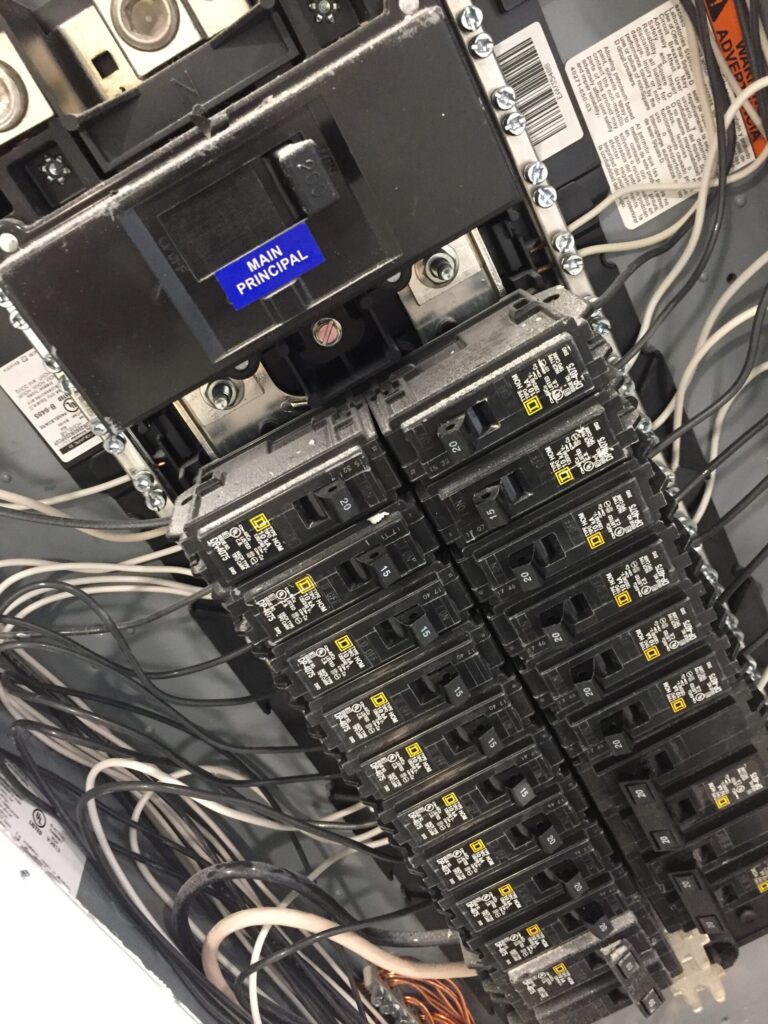
First, do a simple test. Take note of your kitchen outlets. Plug a radio into one, then go to your breaker panel and start flipping breakers until it turns off. Label that breaker. This will help you map out your kitchen circuits. You can then be strategic, making sure your roaster is on one circuit and your coffee maker is on another.
If you have an older home or are unsure about your system’s capacity, the best thing you can do is schedule an electrical inspection. A licensed electrician from Gragg Electrical Services can come to your East Canton home and assess your kitchen’s wiring. We can identify which outlets are on which circuits, check the ampacity of those circuits, and ensure your panel is in good condition.
If your kitchen is not equipped to handle the load, we can provide permanent, safe solutions. The ideal fix is to install new, dedicated 20 amp circuits for your countertops. This provides you with the modern power and safety you need, eliminating the overload problem for good. We can also ensure your entire kitchen is protected by GFCI outlets, bringing it up to modern safety standards. These upgrades are an investment in your home’s safety and functionality.
Holiday hosting should be a time of joy and celebration, not a stressful battle with your circuit breakers. Your kitchen’s electrical system is the unseen workhorse of your feast, and it deserves attention before it is put to the test. By understanding your home’s electrical load, recognizing the warning signs of an overloaded circuit, and avoiding dangerous quick fixes, you can significantly reduce your risk. Do not let an overloaded circuit or an electrical hazard disrupt your holiday. Be proactive. A quick call to a professional electrician to inspect your kitchen and upgrade any deficiencies is the best way to ensure your home is truly ready for the celebration.