Winterizing Outdoor Outlets the Right Way
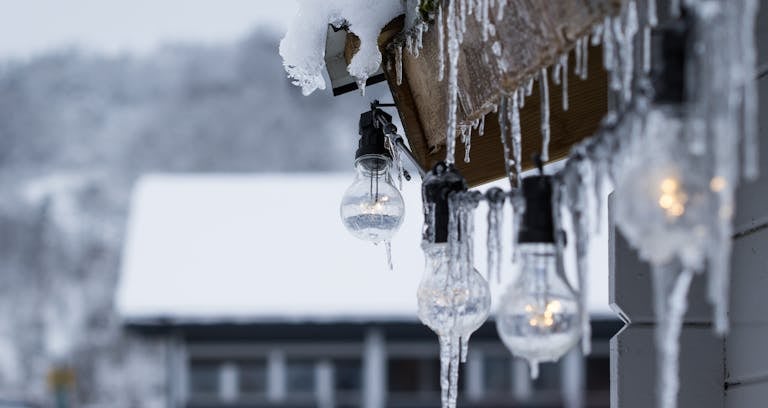
As the vibrant colors of autumn fade and the biting winds of winter begin to sweep across East Canton, homeowners must shift their attention toward preparing their properties for the harsh months ahead. While many prioritize insulating windows or servicing their furnaces, the electrical components on the exterior of the home are frequently overlooked. Outdoor outlets are particularly vulnerable during an Ohio winter, where they must endure a constant cycle of freezing rain, heavy snow, and sub-zero temperatures. Neglecting these external power sources can lead to more than just a minor inconvenience; it can result in persistent circuit failures, damaged holiday decorations, or even dangerous electrical fires.
Properly winterizing your outdoor outlets is an essential part of home maintenance that ensures safety and reliability throughout the season. When moisture from melting snow or ice finds its way into an electrical box, it creates a path for current to leak, which triggers safety devices and disrupts power to your exterior lights and security systems. By taking a proactive approach to weatherproofing, you can protect your home’s electrical integrity and enjoy the winter season without the frustration of constant troubleshooting. Gragg Electrical Services is dedicated to helping our neighbors in the community understand the technical steps required to keep their outdoor power safe and functional regardless of the weather.
The Critical Role of GFCI Protection in Winter
The first and most important component of any outdoor electrical setup is Ground Fault Circuit Interrupter, or GFCI, protection. A GFCI is a specialized safety device designed to detect minute imbalances in electrical current, such as when electricity begins to leak toward the ground through water or a human body. In the winter, moisture is the primary enemy of outdoor circuits. Whether it is blowing snow or the condensation that forms as temperatures fluctuate, water is an excellent conductor that can easily bridge the gap between live wires and the metal casing of a device.
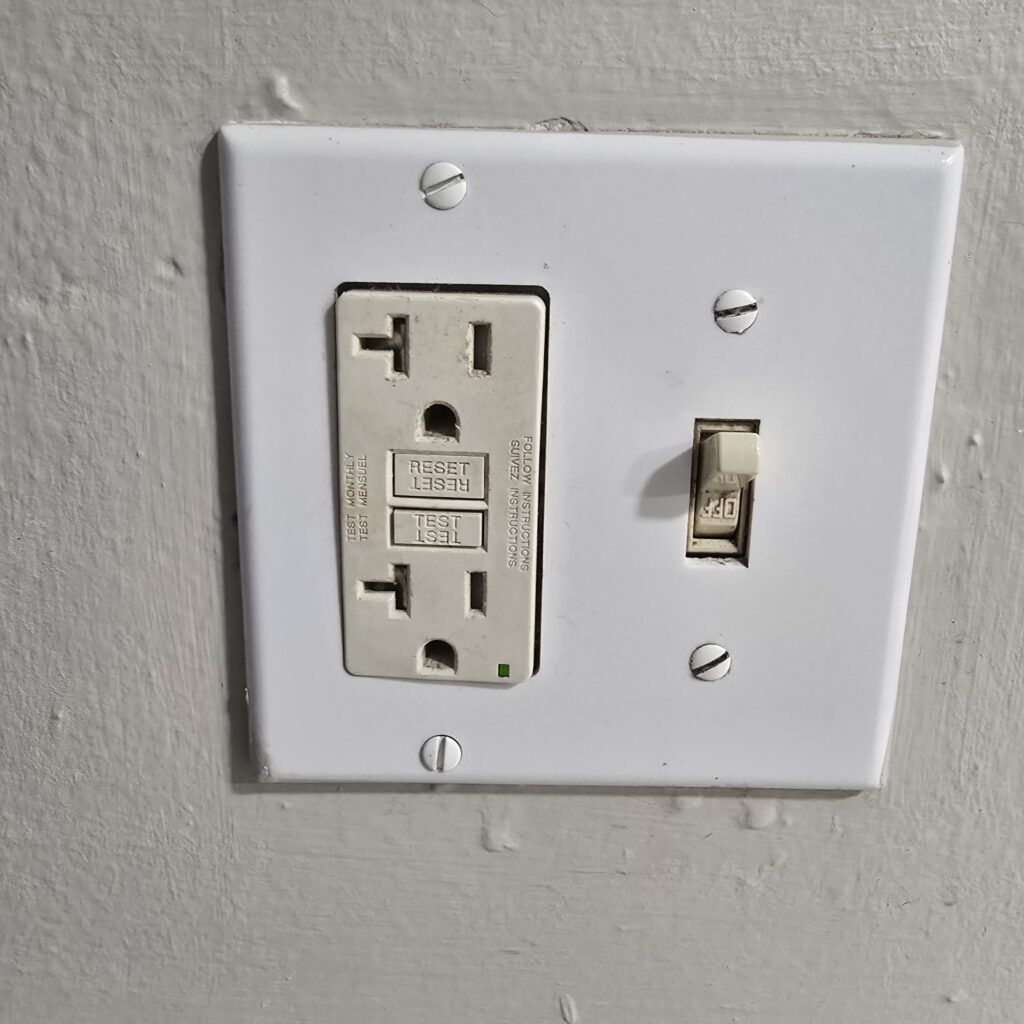
A functional GFCI will trip almost instantly when it senses this leakage, shutting off power to the outlet and preventing a lethal electric shock. During your winterization routine, you must test every outdoor GFCI to ensure the internal mechanism is still responsive. Over years of exposure to the elements, these outlets can become corroded or “frozen” in the on position, meaning they will not trip even if a fault occurs. To test them, simply press the test button; if the reset button does not pop out, the outlet has failed and must be replaced by a licensed professional before the first major snowstorm arrives.
Furthermore, it is important to understand that outdoor GFCIs are prone to nuisance tripping during the winter. This occurs when snow accumulates around a plug or when an extension cord connection becomes damp. If your outdoor lights keep going dark, it is usually a sign that moisture has compromised the weather seal somewhere along the line. Resetting a GFCI that is wet can damage the outlet further. It is always best to ensure the area is dry and properly shielded before restoring power. Upgrading old, standard outlets to modern, weather resistant GFCI models provides a much higher level of durability for our local climate.
Upgrading to In-Use Weatherproof Covers
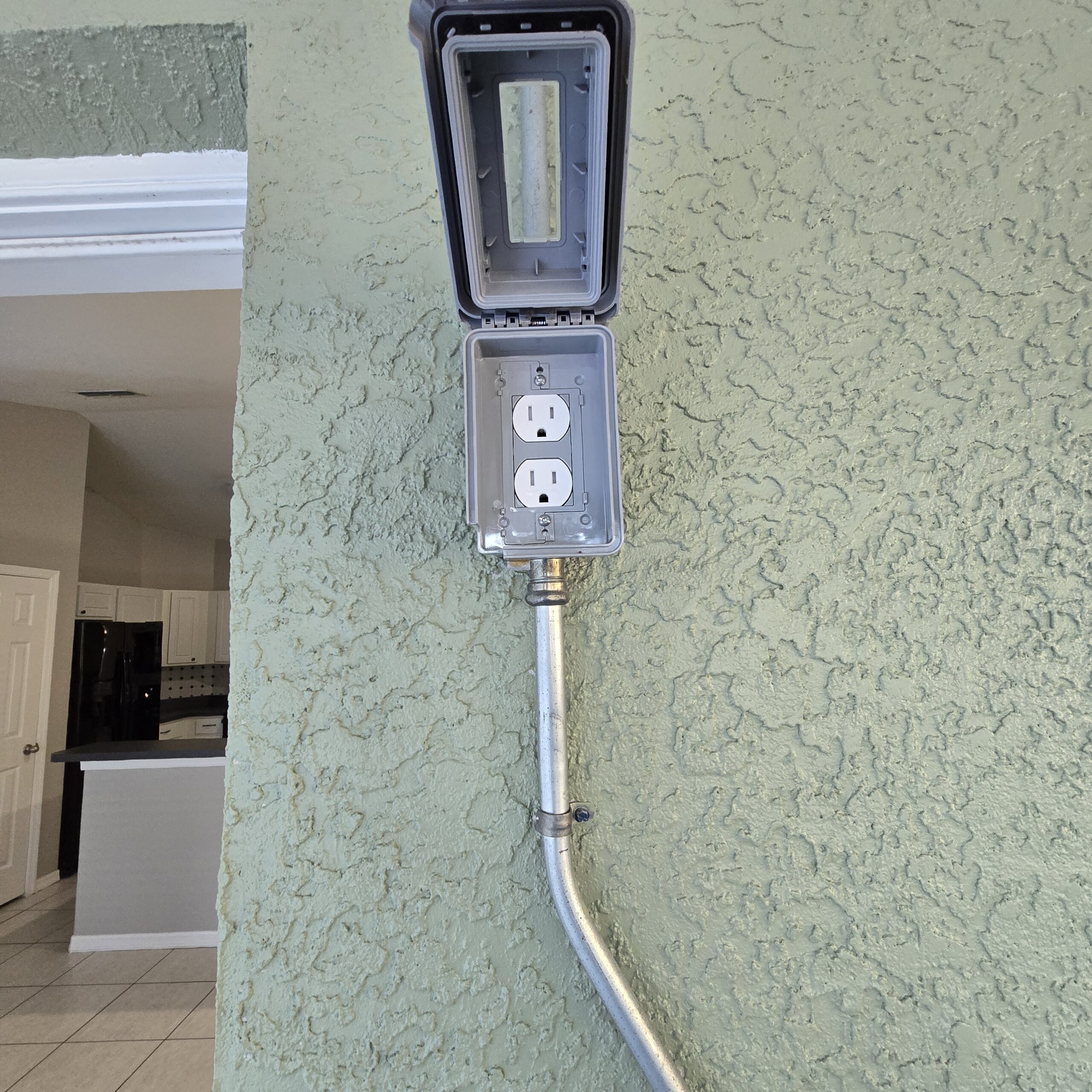
One of the most common mistakes homeowners make is relying on old fashioned flip-up outlet covers. These traditional covers are designed to keep moisture out only when nothing is plugged into the outlet. As soon as you plug in a string of holiday lights or a de-icing cable, the flip-up lid must remain open, leaving the entire receptacle and the plug itself exposed to falling snow and rain. In an East Canton winter, this is a recipe for a short circuit.
Need a GFCI install? Click here for our GFCI installation service.
The modern solution for winter safety is the “in-use” cover, often referred to as a bubble cover. These are deep, clear plastic or metal boxes that feature a gasketed seal against the house and a large interior volume that allows a cord to remain plugged in while the cover is securely closed. There is a small notch at the bottom for the cord to exit, which prevents water from running down the wire and into the outlet. This design provides 24/7 protection against the elements, ensuring that even during a heavy blizzard, your electrical connections remain dry and secure.
If your home still features the flat, metal flip-covers, upgrading to in-use bubble covers is one of the most cost-effective winterization steps you can take. These covers are built to withstand the expansion and contraction caused by extreme temperature shifts and are resistant to the UV degradation that can make older plastics brittle and prone to cracking. A secure cover not only prevents electrical faults but also keeps insects and debris from nesting inside the outlet box during the colder months, which can further prevent mechanical failures when you need power the most.
Sealing the Gap and Preventing Water Intrusion
Weatherproofing an outdoor outlet involves more than just the cover; it requires looking at the interface between the electrical box and the siding of your home. Over time, the house can settle, or the original sealant can dry out and pull away, creating small gaps. During a winter storm, wind-driven snow can be forced into these tiny cracks, where it eventually melts and seeps behind the outlet box. This moisture can travel along the wires and enter the wall cavity, leading to hidden mold growth or corrosion on the internal wiring connections.
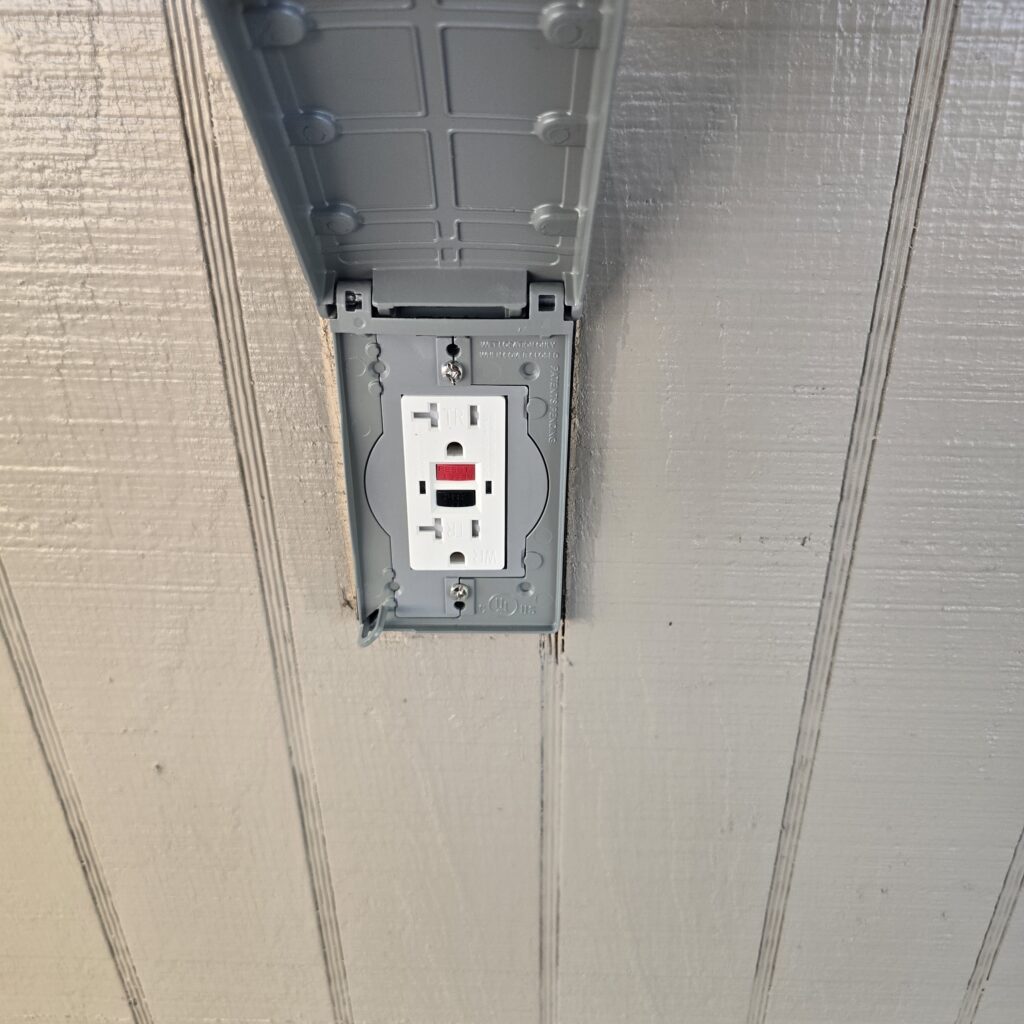
During your pre-winter inspection, you should examine the perimeter of every outdoor electrical box. If you see visible gaps or if the old caulk is peeling, it is time to re-seal the area. Using a high quality, clear silicone caulk designed for exterior use is the best approach. Silicone remains flexible even in sub-zero temperatures, allowing it to maintain a watertight seal as the materials of your home expand and contract. Pay close attention to the top and sides of the box; you should leave a small gap at the very bottom to allow any condensation that does form inside the box to drain out safely.
Inside the box, an electrician will often check the integrity of the gaskets. These are the foam or rubber seals that sit between the outlet and the cover plate. If a gasket is torn or compressed, it loses its ability to block moisture. Replacing these small components is a simple task that significantly improves the weather resistance of the entire assembly. By ensuring the box is hermetically sealed against the structure, you prevent the slow, silent damage of water intrusion that often goes unnoticed until a major electrical failure occurs.
Managing Extension Cords and Temporary Connections
Winter often involves the extensive use of extension cords for everything from festive displays to engine block heaters. However, an extension cord is the weakest link in any outdoor electrical system. Most standard cords are not rated for use in extreme cold, and their insulation can become stiff and brittle, eventually cracking and exposing the copper wires. When using cords during an East Canton winter, it is essential to verify that they are labeled as “Outdoor” and “Cold Weather” rated. These cords feature specialized jackets that remain flexible and protective even when the mercury drops well below freezing.
Want to know the top fire hazards in older homes? Click here for more information.
The connection point between two cords or between a cord and a light string is a primary site for moisture failure. Even with a bubble cover on the outlet, the place where two cords meet out on the lawn or draped over a bush is completely exposed. To winterize these connections, you can use specialized water-resistant cord capsules. These are plastic shells that snap over the connection point and use internal gaskets to keep out snow and meltwater. If you do not have these capsules, ensure that all connections are elevated off the ground by hanging them from hooks or placing them on top of bricks to keep them out of pooling slush.
It is also vital to avoid the temptation of running extension cords through windows or garage doors. Closing a window or door on a cord pinches the insulation and can damage the internal wires, creating a hot spot that could lead to a fire. Furthermore, this creates a gap that lets cold air into your home and allows moisture to follow the cord inside. If you find yourself needing power in a location that requires an extension cord to cross a threshold, the safer and more permanent solution is to have a new, code-compliant outdoor outlet installed in that area.
Inspecting Exterior Light Fixtures and Sensors
Outdoor outlets are often tied into the same circuits as your porch lights, floodlights, and motion sensors. To fully winterize your exterior electrical system, these fixtures must also be addressed. Light fixtures that are loose or have cracked glass can collect snow and ice, which puts a physical strain on the mounting brackets and allows water to enter the electrical housing. Ensure all fixtures are securely fastened to the wall and that any decorative glass panels are intact and properly seated.

Motion sensors and dusk-to-dawn photocells are particularly sensitive to winter conditions. Salt spray from nearby roads or dirt kicked up by wind can coat the lenses of these sensors, causing them to malfunction or stay on continuously. Wiping the lenses with a soft, damp cloth is a simple maintenance step that ensures your security lighting remains responsive. Furthermore, verify that the seals around the sensor housing are still intact. If water enters a motion sensor, it can cause the internal relay to short out, which may trip the GFCI outlet on the same circuit and leave you in the dark.
If you use timers for your winter lighting, consider upgrading to a digital, weather-rated model. Older mechanical timers can sometimes seize up in extreme cold as the internal lubricants thicken. Digital models are generally more reliable in low temperatures and offer more precise control over your energy usage. By ensuring that every component of your outdoor lighting system is clean, sealed, and functional, you reduce the overall stress on your home’s electrical grid and ensure a bright, safe exterior all winter long.
Winterizing your outdoor outlets is a vital task that protects your East Canton home from the unique challenges of the season. By focusing on the reliability of GFCI protection, upgrading to in-use weatherproof covers, and ensuring every connection is sealed against water intrusion, you create a robust electrical defense against snow and ice. Taking the time to manage your extension cords properly and inspect your exterior fixtures prevents the frustration of tripped breakers and the danger of electrical faults. While these steps are simple, they provide a foundation of safety that allows you to enjoy the beauty of the winter months with total peace of mind. Gragg Electrical Services is always here to provide professional inspections and upgrades, ensuring that your home remains powered and protected through every winter storm.