Is It Safe to Run Your AC During a Thunderstorm?
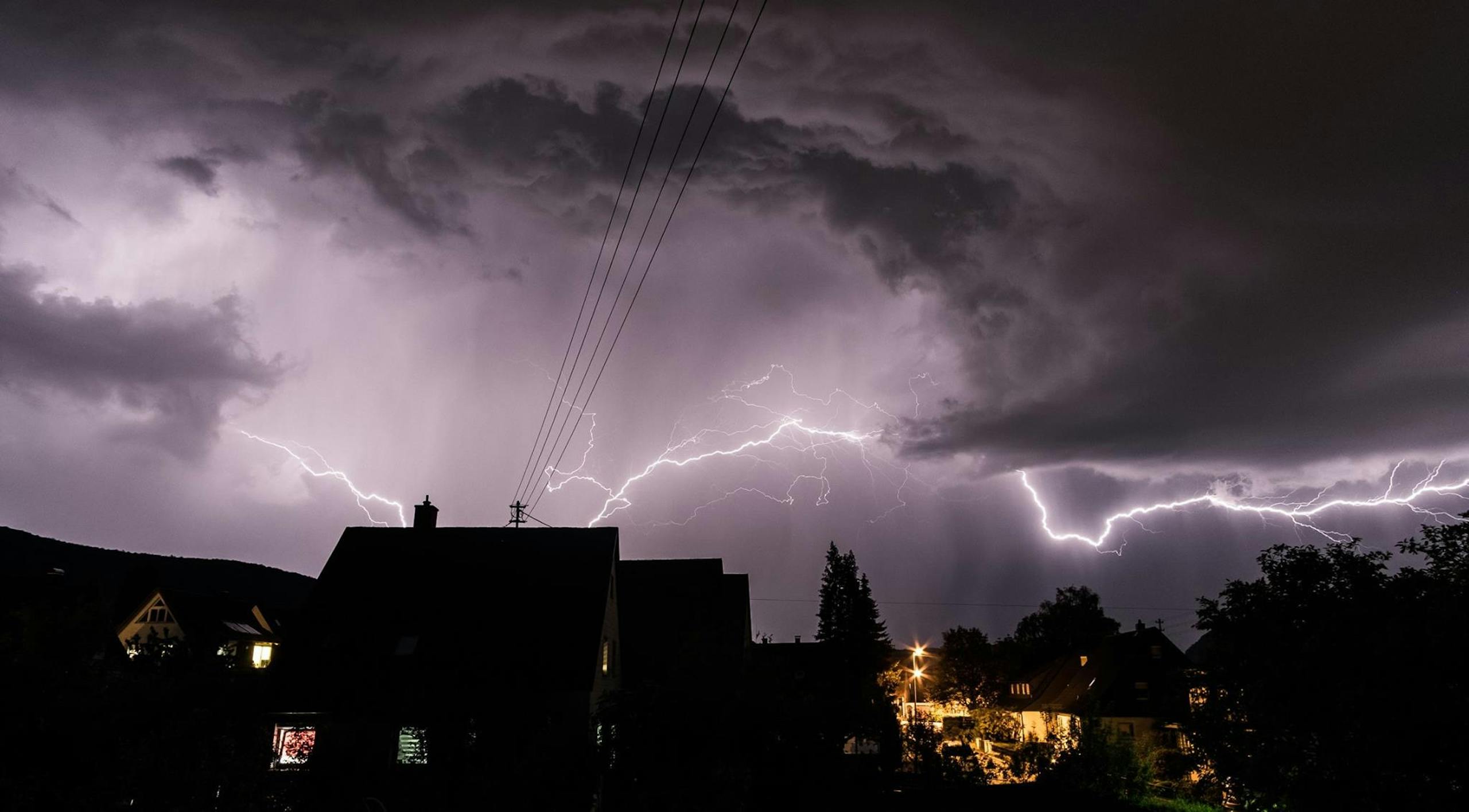
Thunderstorms roll through Stark County often during late spring and summer, and many homeowners wonder if their air conditioning system is at risk. The short answer is that running your AC during a thunderstorm carries real electrical hazards. Lightning strikes, power surges, and sudden outages can damage the compressor, control board, and connected wiring. Most electricians recommend shutting the system off when storms are nearby. Taking a few minutes to power down can save thousands in repair costs. Knowing the risks helps you protect your home and your equipment.
The Electrical Risks of Running Your AC During a Thunderstorm
Air conditioners pull a large amount of current and rely on sensitive electronic components to operate safely. When lightning strikes a power line or transformer near your home, the resulting voltage spike travels through the electrical system in milliseconds. Your AC unit becomes a prime target because it is directly tied to the main panel through a dedicated circuit. The capacitor, contactor, and circuit board inside the condenser are especially vulnerable. Even nearby strikes that do not hit your home can send damaging surges through the grid. Understanding these risks gives you a clear reason to power down during severe weather.
How Power Surges Damage Your AC During a Thunderstorm
Power surges are the most common cause of AC failure during a thunderstorm. A surge happens when voltage briefly jumps far above the standard 240 volts that residential air conditioners use. This sudden spike can fry the capacitor, which is a small cylindrical component that helps start the compressor and fan motor. Once the capacitor blows, the system will not turn on or will hum without cooling. Surges also damage the control board, which acts as the brain of the unit. A replacement board can cost several hundred dollars, and a new compressor can run into the thousands. Whole house surge protection offers a strong line of defense against these events.
Lightning does not need to strike your house directly to cause harm. A strike a quarter mile away can still send a damaging pulse through buried utility lines. The energy travels along the path of least resistance, which often means straight into your panel and out to large appliances. Air conditioners present a tempting target because of their heavy copper windings and grounded metal cabinets. Repeated small surges over time also weaken components even when no immediate failure occurs. This cumulative damage shortens the lifespan of your system. Homeowners who experience frequent storms should plan for protection year round.
Surge protection at the panel is the most effective defense for HVAC equipment. A whole house surge protector installs at the main electrical panel and clamps voltage spikes before they reach your wiring. These devices respond in nanoseconds and divert excess energy safely to ground. Point of use surge strips do not protect hardwired appliances like central air conditioners. Only a panel mounted unit can safeguard your condenser, furnace, and water heater. Need surge protection for your home? Click here for our whole house surge protector service.
What Happens to Your AC Compressor During a Thunderstorm Outage
Sudden power loss during a thunderstorm puts heavy strain on the compressor. When utility power drops and returns quickly, the compressor may try to restart before internal pressure has equalized. This condition is called short cycling, and it forces the motor to work against high head pressure. The result is excessive heat, tripped breakers, and potential motor burnout. Modern systems include a five minute time delay to prevent this, but older units may not. A burned out compressor often means replacing the entire outdoor unit.
Brownouts are just as dangerous as full outages. A brownout is a temporary drop in voltage that happens when the grid is overloaded or storm damaged. Running on low voltage causes motors to draw more amperage to maintain performance. That extra current heats the windings and can break down insulation over time. The compressor, fan motor, and blower motor all suffer when voltage stays low for extended periods. Many homeowners do not realize a brownout has occurred until the AC fails weeks later.
Turning the thermostat off at the first sign of a storm prevents most of this damage. Switch the system from cool to off, and leave it off until the storm passes and power has been stable for several minutes. If the breaker has tripped, do not reset it repeatedly. A tripped breaker after a storm often signals damaged wiring or a shorted component. Have the system inspected by a licensed electrician before attempting to run it again. Click here for our electrical inspection service if you suspect storm damage.
Why Lightning Strikes Make Running Your AC During a Thunderstorm Risky
Direct lightning strikes are rare but devastating. A single bolt carries up to one billion volts and can vaporize wiring inside walls. When lightning hits a home, it often follows the electrical service drop into the panel and then out to the largest grounded loads. Your outdoor AC condenser sits on a metal pad and connects to a heavy copper ground wire, making it a frequent path. The damage often extends beyond the unit itself to the indoor air handler and thermostat. Insurance may cover the loss, but downtime during summer heat is a serious problem.
Side flashes are another lightning hazard people overlook. A side flash happens when lightning jumps from a struck object to nearby grounded metal. If lightning hits a tree near your condenser, the energy can arc to the AC cabinet through the air. This type of strike often damages refrigerant lines, the disconnect box, and the whip wiring. Repairs require both an HVAC technician and a licensed electrician. Keeping trees trimmed away from outdoor equipment reduces this risk.
Grounding and bonding upgrades make your home far more resistant to lightning damage. A properly grounded electrical system gives strike energy a safe path away from your appliances. Many older homes in East Canton have outdated grounding that does not meet current code. An electrical inspection can identify weak points and recommend improvements. Upgrades may include a new grounding electrode, bonding jumpers, and surge protection at the panel. Click here for our electrical grounding service to schedule an evaluation.
How to Protect Your AC During a Thunderstorm
Protecting your air conditioner during a thunderstorm comes down to preparation and good habits. Most homeowners do not think about their HVAC system until something goes wrong. By installing the right equipment and following a simple routine, you can avoid almost all storm related failures. The key components include surge protection, a properly sized disconnect, and a maintained electrical panel. Combining these with smart thermostat habits gives you peace of mind during storm season. Your investment in protection pays for itself the first time a major storm rolls through.
Installing Surge Protection to Safeguard Your AC During a Thunderstorm
Whole house surge protectors are the foundation of storm protection for any home with central air. These devices mount inside or beside the main electrical panel and monitor incoming voltage at all times. When a surge arrives, the protector clamps the excess energy and routes it to ground in nanoseconds. Quality units carry a joule rating that indicates how much energy they can absorb. Higher joule ratings mean better protection and longer service life. Most units include indicator lights that show when the protector has worn out and needs replacement.
Pairing a whole house surge protector with a dedicated AC surge protector adds another layer of defense. The dedicated unit installs at the outdoor disconnect and protects the condenser directly. This setup catches any surge that slips past the panel level device. Together, the two protectors handle nearly any electrical event short of a direct lightning strike. The cost of installation is modest compared to the price of a new compressor or control board. Most homeowners recover the investment with the first prevented failure.
Installation should always be performed by a licensed electrician. Surge protectors connect to live bus bars inside the panel, and improper installation creates a fire hazard. A qualified electrician will also verify that your grounding system meets current code, which is essential for surge protection to work correctly. The job typically takes one to two hours and includes testing the device and labeling the panel. Annual checks ensure the protector is still functioning properly. Schedule a consultation before storm season peaks to stay ahead of the weather.
Smart Thermostat Habits to Protect Your AC During a Thunderstorm
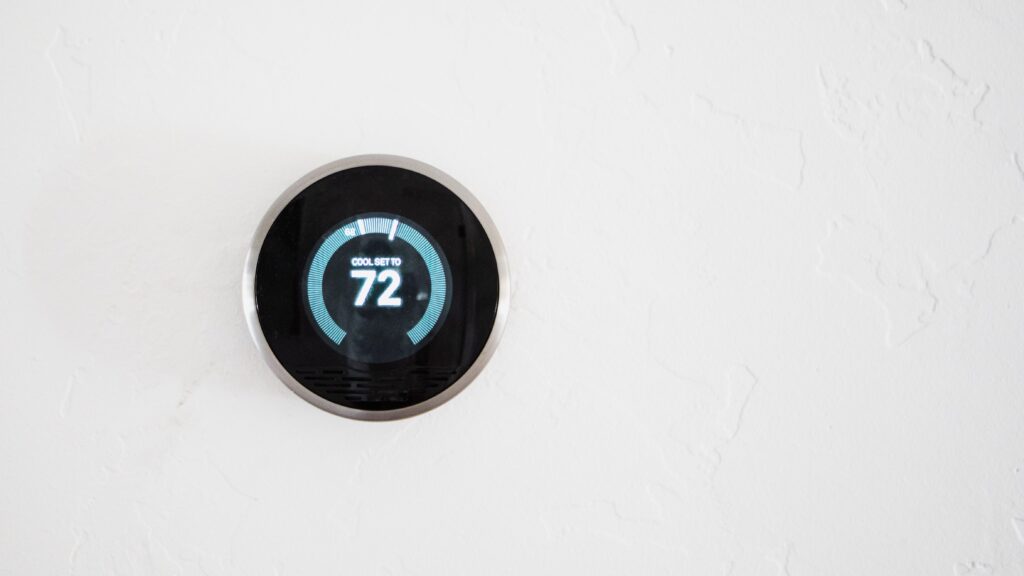
A smart thermostat gives you remote control over your HVAC system from anywhere. When a storm watch is issued, you can shut down the AC from your phone before the weather arrives. This is especially helpful when you are away from home or asleep. Many smart thermostats also integrate with weather services and can automatically pause cooling during severe alerts. Setting up these features takes only a few minutes and provides ongoing protection. The convenience factor alone makes smart thermostats a popular upgrade.
Manual habits still matter even with smart technology. Get in the habit of checking the forecast each morning during summer. If thunderstorms are predicted, plan to power down the system before the storm arrives. Switching the thermostat to off prevents the compressor from running during voltage fluctuations. After the storm passes, wait at least fifteen minutes before turning the system back on to allow grid voltage to stabilize. These small steps add up to major protection over a season.
Smart home integration can also tie your thermostat into a broader storm response plan. Some systems automatically close motorized blinds, dim lights, and shut down sensitive electronics when severe weather approaches. This coordinated response reduces overall electrical load and minimizes risk to every connected device. Installation requires careful planning and proper wiring throughout the home. Click here for our smart home installation service to learn more about whole home automation options.
Maintaining Your Electrical Panel to Protect Your AC During a Thunderstorm
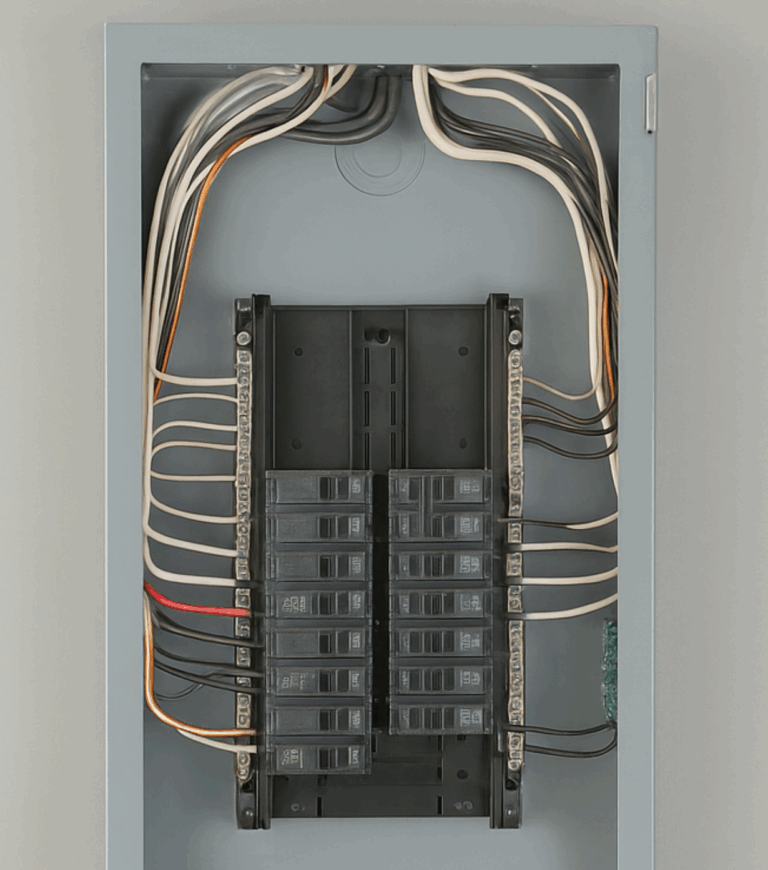
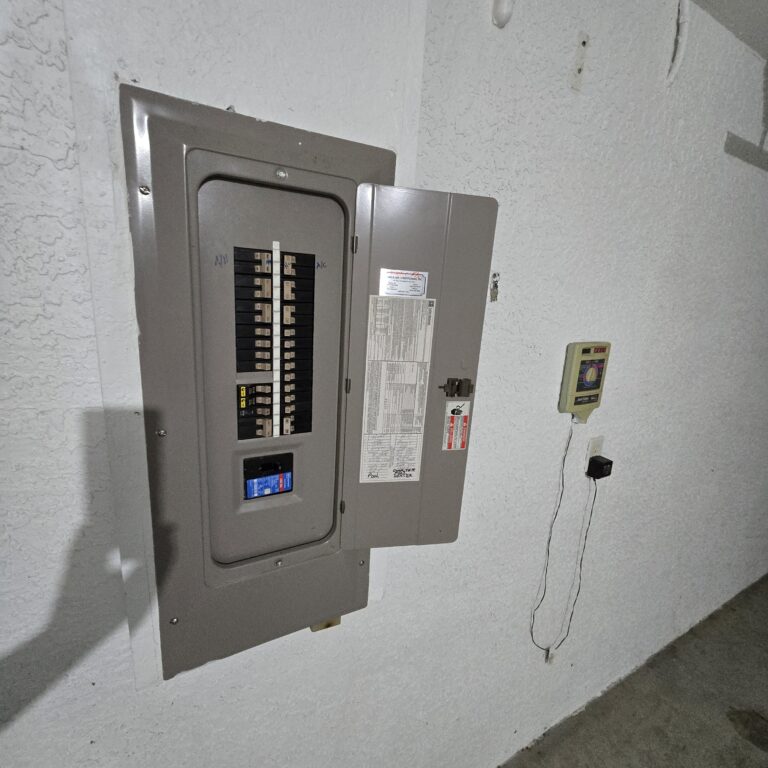
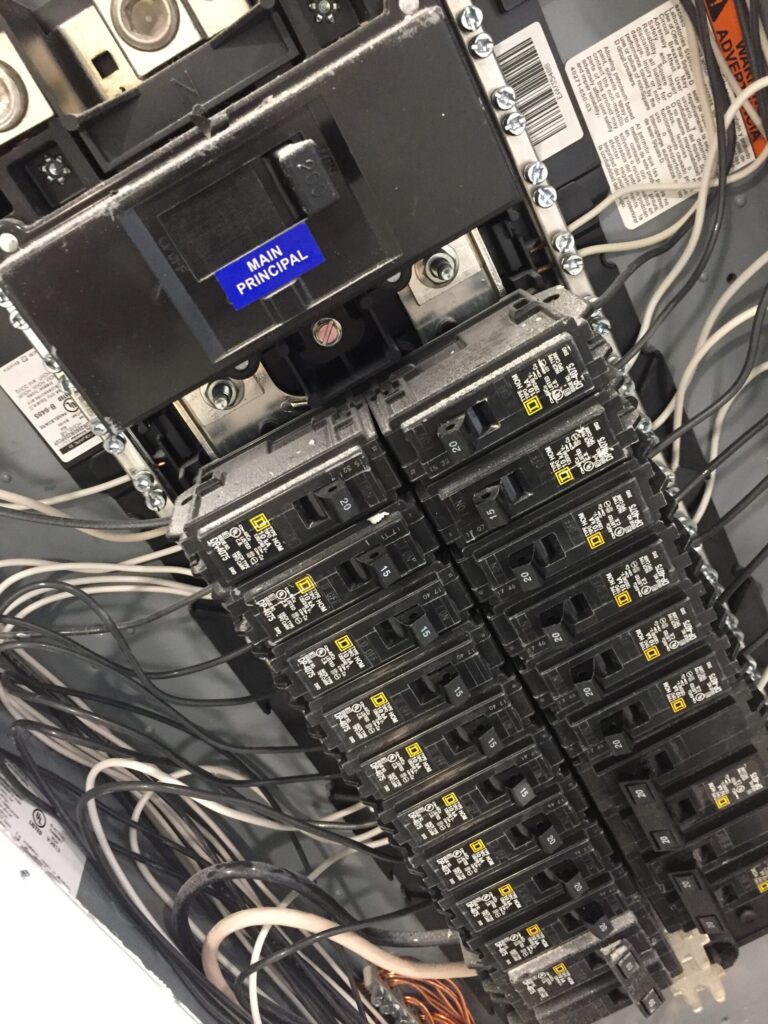
Your electrical panel is the heart of your home’s defense against storm damage. A panel in good condition distributes power evenly and trips breakers quickly when faults occur. Older panels with worn breakers may not respond fast enough to prevent damage downstream. Federal Pacific and Zinsco panels in particular have a history of failing during high current events. Homes built before 1990 often need a panel upgrade to handle modern loads safely. An inspection can determine if your panel is up to the job.
Loose connections inside the panel cause arcing and heat buildup over time. These weak points become failure sites during the heavy current draw of a storm event. A licensed electrician will torque all lugs to manufacturer specifications and inspect for signs of overheating. Discolored bus bars, melted insulation, and burning smells all indicate a panel in trouble. Catching these issues early prevents fires and protects every appliance in the home. Annual inspections are a smart investment for any homeowner.
Upgrading to a modern panel with arc fault and ground fault protection adds even more safety during storms. Newer breakers detect dangerous conditions faster than older designs. They also support whole house surge protection as an integrated feature. The labor and material cost varies based on amperage and panel location. Click here for our electrical panel upgrade service to discuss options for your home.
Why You Need a Licensed Electrician to Protect Your AC During a Thunderstorm
Storm protection is not a do it yourself project. The work involves live electrical components, code compliance, and specialized equipment that homeowners should not handle. A licensed electrician brings the training, tools, and experience to do the job safely and correctly. Hiring a professional also ensures the work meets local code and passes inspection. Investing in qualified service now saves money and stress when the next storm arrives.
Professional Surge Protection Installation Keeps Your AC Safe During a Thunderstorm
A licensed electrician evaluates your entire electrical system before recommending surge protection. This includes checking the service drop, panel condition, grounding electrode, and bonding connections. Each element must work together for surge protection to perform properly. The electrician will also size the protector based on your home’s load and exposure level. Homes with overhead service drops face higher risk than those with underground service. Customized recommendations give you the best value for your investment.
Professional installation includes testing and documentation that DIY work cannot match. The electrician verifies surge ratings, confirms ground impedance, and labels the panel for future reference. Proper documentation may also be required for insurance discounts on storm coverage. Many insurance carriers offer reduced premiums for homes with whole house surge protection installed by a licensed contractor. Ask your insurance agent about available discounts before scheduling the work. The savings can offset a meaningful portion of the installation cost.
Ongoing service from a trusted electrician keeps your protection current. Surge protectors wear out over time, especially after major storm events. A professional can test the unit, replace it when needed, and update your system as new technology becomes available. Building a relationship with a local electrician also means faster response when problems arise. Storm damage often requires same day service, and a known contractor moves you to the front of the line. Click here for our emergency electrician service when you need help fast.
Electrical Inspections Protect Your AC During a Thunderstorm
Regular electrical inspections catch problems before they become emergencies. A licensed electrician examines every part of your system, from the meter to the outlets. Hidden issues like deteriorated wiring, loose connections, and outdated breakers all increase storm risk. The inspection report gives you a clear roadmap for repairs and upgrades. Prioritizing the highest risk items first protects your home and budget.
Inspections also verify that your AC circuit meets current code. The condenser requires a properly sized breaker, disconnect, and whip wire. Undersized components can fail during a surge and create a fire hazard. The electrician will confirm the system is grounded correctly and that the disconnect is rated for your unit. Any deficiencies are documented and corrected before they cause trouble. This proactive approach extends the life of your AC and your entire electrical system.
Annual inspections are especially valuable for older homes in East Canton and surrounding communities. Many local homes were built decades ago and have seen multiple updates over the years. Mixed wiring, undersized panels, and outdated grounding are common findings. An experienced electrician knows what to look for and how to bring the system up to current standards. Click here for our electrical inspection service to schedule your visit.
Why Choose Gragg Electrical Services to Protect Your AC During a Thunderstorm
Gragg Electrical Services brings over twenty years of proven local experience to every job. Our team understands the unique electrical challenges homeowners face in East Canton and the surrounding communities. We install whole house surge protection, upgrade panels, and inspect systems with precision and care. Every job is backed by our Lifetime Craftsmanship Guarantee for lasting peace of mind. Our crews show up clean, respectful, and ready to work.
We offer 24/7 emergency service because storms do not wait for business hours. When lightning strikes or a surge takes out your AC, our team responds quickly to get power restored safely. Financing is available through GreenSky and Turns to make major upgrades affordable. We work with homeowners to find solutions that fit their budget and timeline. No project is too big or too small for our experienced electricians.
Choosing a local company means choosing neighbors who care about the community. Gragg Electrical Services is proud to serve East Canton, Canton, North Canton, Massillon, Louisville, and the surrounding areas. Call us at (330) 488-8009 or email info@graggelectrical.com to schedule service. We are ready to help you protect your home and your AC system from the next storm. Trust our team for honest advice and quality workmanship every time.