Upgrading an Outdoor Kitchen With the Right Electrical Setup
Summer in East Canton brings long evenings, backyard gatherings, and the perfect reason to cook outside. An outdoor kitchen turns a patio into the heart of your home, yet the electrical setup behind it does the quiet work that keeps everything running. Many homeowners focus on the grill, the countertops, and the layout, then forget that refrigerators, lighting, blenders, and warming drawers all pull steady power. A safe and reliable outdoor kitchen depends on circuits that match the load, outlets that resist moisture, and wiring that meets current code. Poorly planned power leads to tripped breakers, flickering lights, and shortened appliance life. When the electrical foundation is done correctly, your outdoor space stays dependable through every cookout and every season. This guide walks through what a proper outdoor kitchen electrical setup includes, how the parts work together, and why professional installation protects both your investment and your family.
What Electrical Setup an Outdoor Kitchen Upgrade Needs
The right outdoor kitchen electrical setup starts long before any appliance gets plugged in. It begins with a clear understanding of how much power your space will draw and how that demand fits within your existing electrical system. Outdoor kitchens often combine cooking appliances, refrigeration, lighting, and small countertop devices, and each of those adds to the total load. Code requirements for outdoor areas are stricter than those indoors because moisture, temperature swings, and exposure raise the risk of shock and corrosion. A licensed electrician evaluates your panel capacity, plans the circuits, and selects materials rated for outdoor use. Skipping these early steps causes most of the problems people blame on bad appliances later. A thoughtful plan now saves money, time, and frustration for years to come.
Planning the Electrical Load for Your Outdoor Kitchen Upgrade
Load planning is the single most important step in any outdoor kitchen electrical setup, and it sets the tone for every choice that follows. Each appliance carries a wattage or amperage rating, and adding those numbers together reveals the real demand your kitchen places on the system. An outdoor refrigerator might draw a modest amount on its own, yet pair it with a warming drawer, an electric grill, and a blender running at the same time, and the total climbs fast. Your home’s main electrical panel has a fixed capacity, often measured in amps, and your indoor needs already use a portion of it. When the outdoor kitchen demand pushes past what the panel can safely deliver, breakers trip and components overheat. A professional performs a load calculation that accounts for both current use and future additions you may want down the road. This calculation determines how many circuits you need and how the wiring should be sized. Getting this right at the start prevents the most common and costly mistakes homeowners face.
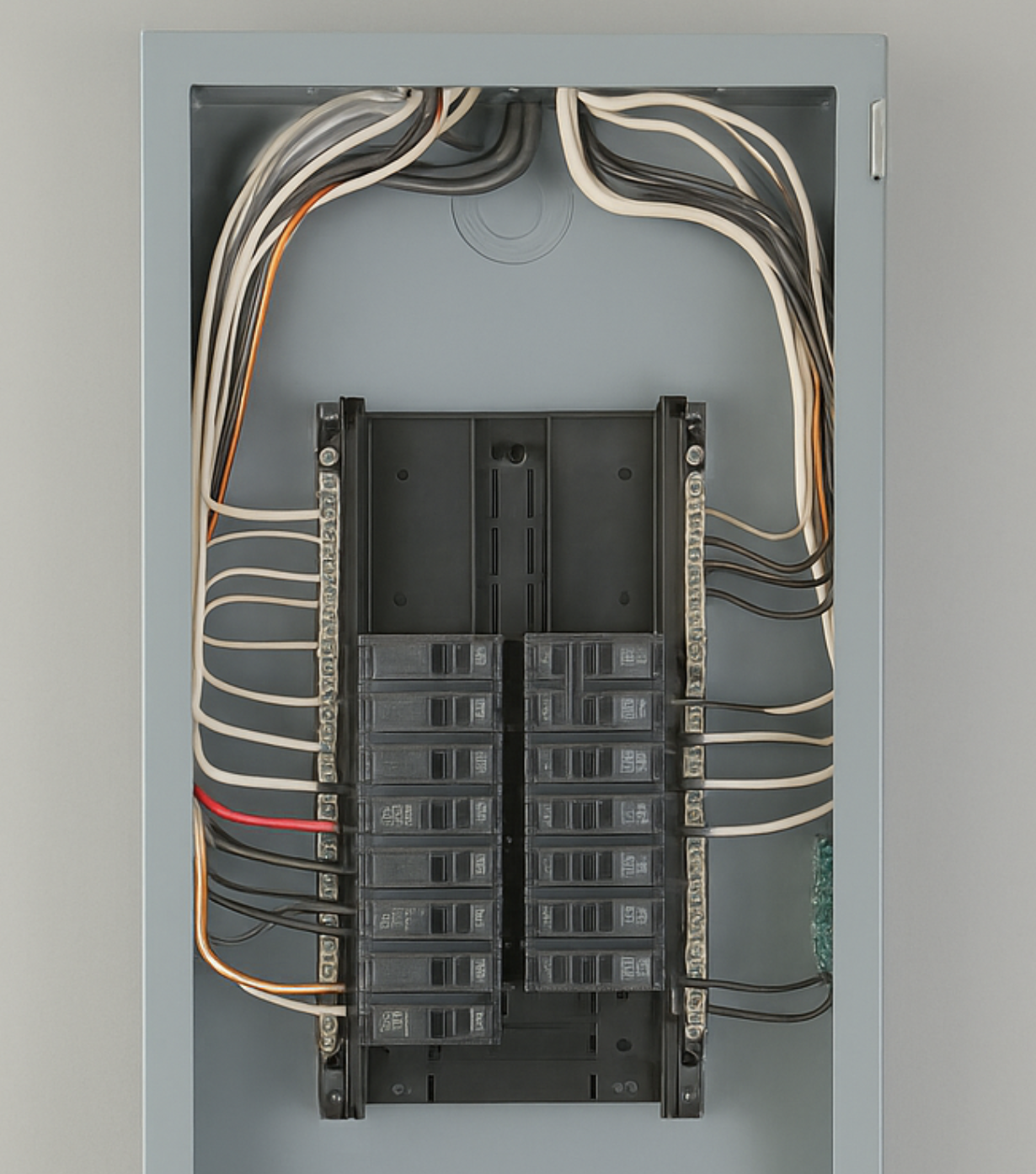
Capacity problems often point back to a panel that simply was not built for the extra demand of a modern outdoor kitchen. Older homes around Stark County sometimes still run on panels sized for a different era of electrical use, long before patios held full appliance suites. When the existing panel lacks room, an electrician may recommend a panel upgrade or the addition of a subpanel placed closer to the outdoor space. A subpanel acts like a smaller distribution point, feeding the outdoor circuits without forcing every wire to run back to the main box. This approach shortens wire runs, reduces voltage drop, and keeps the system organized and easy to service. The decision between upgrading the main panel and installing a subpanel depends on your current capacity, the distance to the kitchen, and your long term plans. A clear load plan answers these questions before any conduit goes in the ground.
Future proofing your outdoor kitchen electrical setup is just as important as meeting today’s needs, and a little foresight pays off well. Many homeowners start with a grill and a refrigerator, then add a pizza oven, a beverage cooler, or a sound system a year or two later. Planning extra capacity now costs far less than tearing into finished walls and patios to add circuits afterward. An electrician can install slightly larger feeders and leave room in the panel so additions slot in cleanly when the time comes. This kind of planning also helps if you decide to add outdoor heating for cooler fall nights or a misting system for hot summer afternoons. Thinking ahead keeps the system flexible without overspending on power you will never use. A balanced plan respects both your budget and the way real backyards grow over time.
Choosing GFCI Protection for an Outdoor Kitchen Electrical Setup
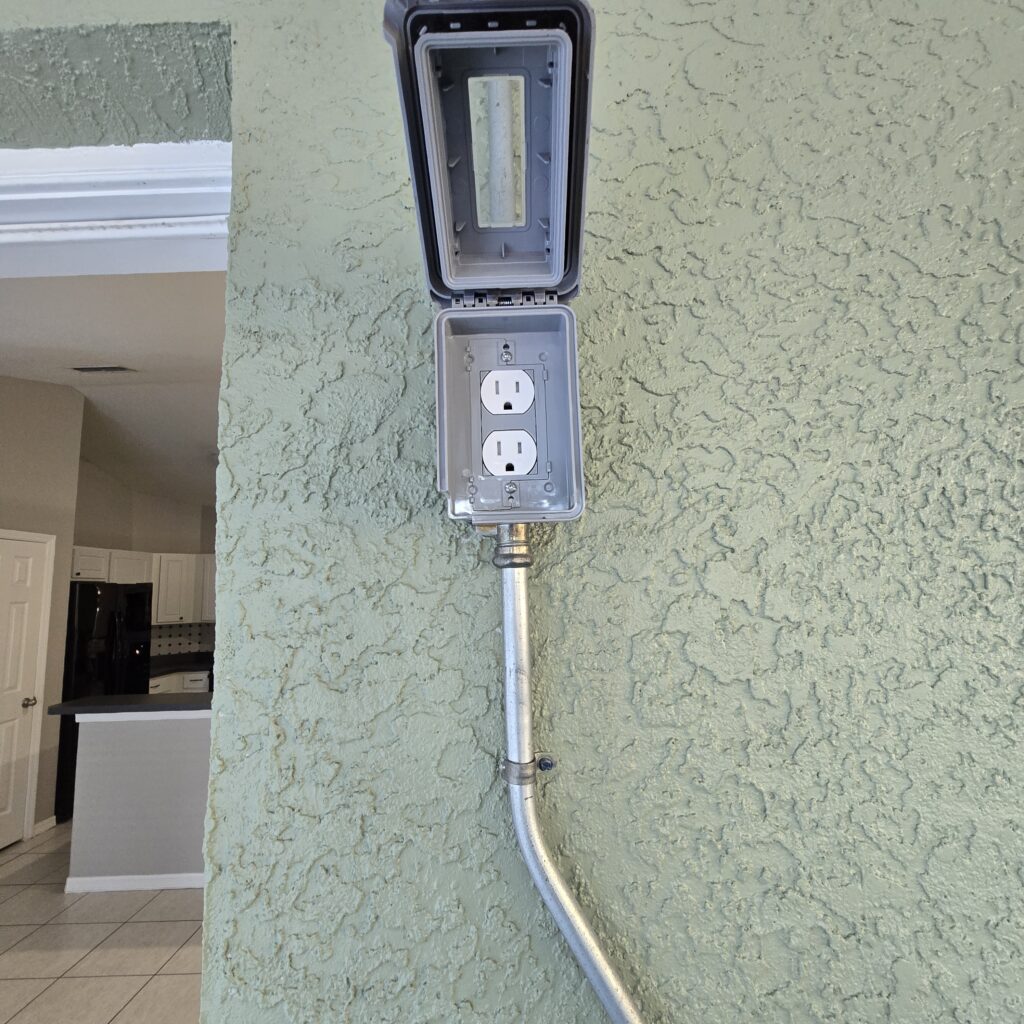
GFCI protection stands at the center of any safe outdoor kitchen electrical setup because outdoor areas combine water and electricity in ways that demand extra safeguards. A ground fault circuit interrupter watches the flow of current and cuts power in a fraction of a second when it detects a leak to ground. That speed is what protects a person from a dangerous shock when a hand touches a faulty appliance near a wet sink or a rain soaked counter. The National Electrical Code requires GFCI protection for outdoor receptacles, and outdoor kitchens fall squarely within that rule. Rain, splashing, condensation, and hose spray all create conditions where a standard outlet would put people at risk. Installing GFCI protection is not optional, and a licensed electrician makes sure every outdoor receptacle meets the requirement. This single device prevents injuries that would otherwise be hard to imagine until they happen.
The way GFCI protection gets installed matters as much as the protection itself, and there is more than one correct approach. An electrician can use individual GFCI receptacles at each outlet location, or protect an entire circuit with a GFCI breaker back at the panel. Each method has advantages depending on the layout, the number of outlets, and how easy you want resets to be. Outdoor kitchens that include several receptacles often benefit from breaker level protection so a single device guards the whole run. The electrician also selects outlets and covers built to handle the outdoor environment, since indoor grade parts corrode and fail when exposed to weather. Proper placement keeps outlets accessible for cooking while keeping them away from direct splash zones near sinks. Thoughtful design here blends safety with the everyday convenience you expect from a kitchen.
Maintenance and testing keep GFCI protection working long after the install is finished, and a few simple habits go a long way. These devices include a test button and a reset button, and pressing the test button should cut power instantly to confirm the unit still functions. Homeowners should test outdoor GFCI outlets on a regular basis, especially after storms or long stretches of heavy rain. A unit that fails to trip during a test has reached the end of its service life and needs replacement. Outdoor conditions wear on these devices faster than indoor ones, so they call for closer attention over time. If your outdoor kitchen needs reliable shock protection, our team installs and verifies every device to code. Need outdoor outlets done right? Click here for our GFCI outlet installation service.
Wiring and Circuits for the Right Outdoor Kitchen Electrical Setup
The wiring choices in an outdoor kitchen electrical setup determine how safely and reliably power reaches every appliance, and the details carry real weight. Outdoor wiring faces sun, moisture, temperature swings, and physical wear that indoor cable never sees. For that reason, electricians use conductors and methods rated for damp and wet locations, often running wire inside conduit for added protection. Underground feeds to a detached patio or pavilion must sit at the proper burial depth and use cable approved for direct burial or be enclosed in rated conduit. Wire gauge also matters, since undersized conductors overheat and waste energy while oversized ones add needless cost. A professional matches the wire size to both the circuit load and the distance the power must travel. These decisions form the backbone of a system that lasts for decades.
Circuit design protects your appliances and your comfort by keeping demand spread across the right number of branches. Placing too many devices on one circuit invites nuisance tripping every time the load spikes during a busy meal. A well designed outdoor kitchen separates heavy appliances onto their own circuits while grouping lighter loads where it makes sense. Voltage drop becomes a real concern over long runs, since power loses strength the farther it travels from the panel. Electricians account for distance when sizing both the wire and the breakers so appliances receive steady, full strength power. This careful balance keeps refrigerators cold, grills hot, and lights bright without strain. The goal is a system that performs the same on a packed holiday weekend as it does on a quiet Tuesday night.
Grounding and bonding tie the entire outdoor kitchen electrical setup together into a safe, unified system. Grounding gives stray electricity a safe path back to earth, and bonding links metal parts so they share the same electrical potential. Outdoor kitchens hold a lot of metal, from countertops and grill housings to sinks and appliance frames, and any of those could become energized by a wiring fault. Proper bonding ensures that a fault trips a breaker instead of leaving a metal surface live and dangerous. This protection works hand in hand with GFCI devices to guard against shock under different failure conditions. An electrician verifies grounding and bonding throughout the install, since a single weak connection undermines the whole system. Done correctly, this hidden work quietly protects everyone who gathers around your outdoor kitchen.
How to Power Appliances and Lighting in an Outdoor Kitchen Upgrade
A complete outdoor kitchen electrical setup powers far more than a single grill, and each element deserves its own thoughtful design. Refrigerators, ice makers, warming drawers, electric cooktops, blenders, and entertainment systems all draw current, and they often run at the same time. Lighting adds another layer, since safe and enjoyable cooking after sunset depends on good illumination across counters, walkways, and dining areas. Protecting all of this equipment from power surges and weather rounds out the design. When these systems work together, the outdoor kitchen feels effortless and dependable through every gathering. The sections below break down how appliances, lighting, and protection each fit into a smart electrical plan.
Dedicated Circuits for Outdoor Kitchen Appliances and Electrical Setup
Dedicated circuits give your outdoor kitchen appliances the steady, reliable power they need to perform their best. A dedicated circuit serves a single appliance or a small, related group, so that device never competes with others for current. High demand equipment like an outdoor refrigerator, an electric grill, or a warming drawer benefits most from this arrangement. When a refrigerator shares a circuit with several other devices, a sudden spike can trip the breaker and leave food spoiling in the heat. A dedicated line removes that risk and keeps each appliance running smoothly even during heavy use. Electricians plan these circuits during the load calculation stage so the panel has room for each one. This structure is a hallmark of a professionally designed outdoor kitchen.
Voltage requirements vary across outdoor kitchen appliances, and matching them correctly is essential for safe operation. Many small devices run on standard 120 volt circuits, while larger cooking appliances may call for 240 volt power. An electric cooktop or a high output grill often needs the higher voltage to reach full performance, and the wiring for those circuits differs from the lighter ones. Using the wrong voltage or an undersized circuit damages appliances and creates fire risk over time. A licensed electrician reads each appliance’s specifications and builds the circuit to match exactly. This precision protects your equipment warranties and keeps everything operating as the manufacturer intended. Proper voltage planning is one of those details that separates a lasting install from a troubled one.
Placement of outlets and connections shapes how convenient your outdoor kitchen feels day to day, and good design considers the whole layout. Outlets should sit where you actually use small appliances, not in awkward corners that force long extension cords across counters. Extension cords are never a safe substitute for proper outdoor wiring, and they create both shock and trip hazards. An electrician maps the cooking and prep zones, then places weatherproof outlets where blenders, mixers, and chargers naturally land. Connections for built in appliances get hidden cleanly inside cabinetry while staying accessible for service. This thoughtful layout keeps the space tidy, functional, and safe for everyone who uses it. If your outdoor kitchen needs new circuits and wiring, our team designs each one for your exact setup; click here for our electrical wiring service.

Outdoor Lighting That Completes the Outdoor Kitchen Electrical Setup
Outdoor lighting transforms a functional cooking space into a place people want to linger, and it forms a key part of any outdoor kitchen electrical setup. Good lighting starts with task lighting over counters and grills, where bright, focused light keeps cooking safe and precise after dark. Nobody wants to slice vegetables or check a steak by the glow of a phone screen. Layered above that, ambient lighting sets the mood across dining and seating areas so guests feel comfortable and relaxed. Path lighting guides people safely along walkways and steps, reducing the chance of a stumble in the dark. Each layer serves a purpose, and a well planned design blends them into a space that works beautifully at every hour. Lighting is where safety and enjoyment meet most clearly.
The fixtures and wiring behind outdoor lighting must stand up to the elements, since indoor parts fail quickly outside. Electricians choose fixtures rated for wet or damp locations and run the wiring through conduit or approved cable to protect it from weather and wear. LED fixtures have become the standard choice because they use far less energy, throw off less heat, and last far longer than older bulbs. Low energy lighting keeps your operating costs down while still delivering bright, clear illumination across the whole kitchen. Many homeowners add dimmers and zones so they can shift the mood from a lively party to a quiet dinner with the touch of a switch. Smart controls and timers add even more convenience, letting lights turn on at dusk automatically. These features turn lighting into a flexible tool rather than a single fixed setting.
Integrating lighting with the rest of the outdoor kitchen electrical setup keeps everything balanced and avoids overloading circuits. Lighting loads are often modest compared to appliances, yet they still need their own planned place in the circuit design. An electrician groups lighting on appropriate circuits so it never competes with a refrigerator or grill for power. Proper grounding and GFCI protection extend to outdoor lighting just as they do to outlets, since fixtures sit outside in the weather too. Coordinating lighting placement with the overall layout ensures the light falls where you need it without harsh glare or dark gaps. A professional ties the lighting into the larger plan so it feels like part of one cohesive system. Want a brighter, safer backyard after dark? Click here for our outdoor lighting installation service.
Weatherproofing and Surge Protection for an Outdoor Kitchen Electrical Setup
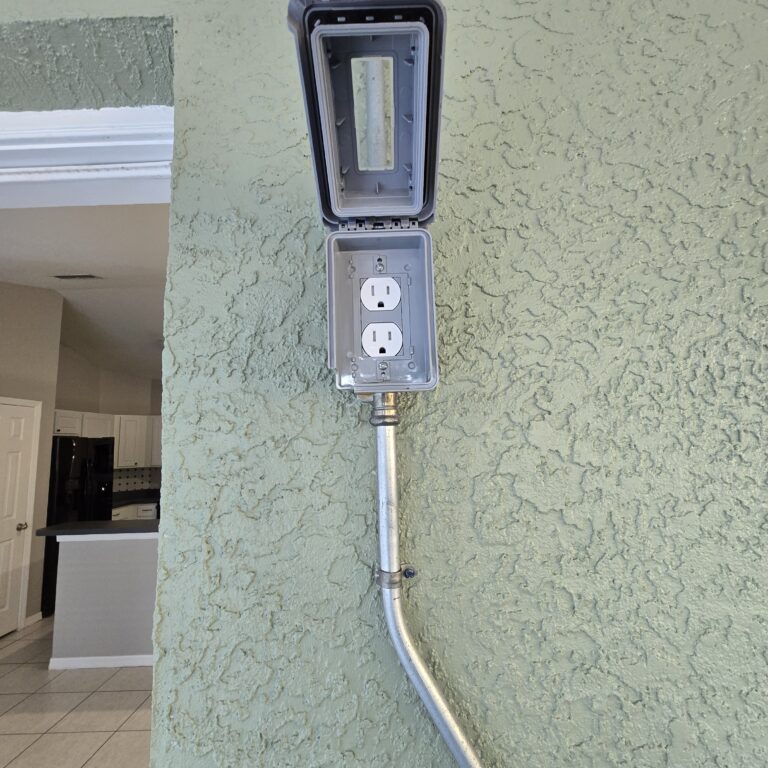
Weatherproofing protects every part of an outdoor kitchen electrical setup from the moisture and temperature swings that come with life outside. Outdoor outlets need weatherproof covers, and the best choice is an in use cover that shields the receptacle even while a cord is plugged in. These covers keep rain, snow, and spray away from the live connection, preventing corrosion and short circuits over time. Boxes, fittings, and conduit all carry ratings for outdoor exposure, and an electrician selects each component to match the conditions it will face. Gaps and poor seals invite water into places it should never reach, leading to failures that often show up months later. Careful weatherproofing during installation is far cheaper than chasing mysterious faults afterward. This protection keeps the whole system reliable through Ohio’s full range of weather.
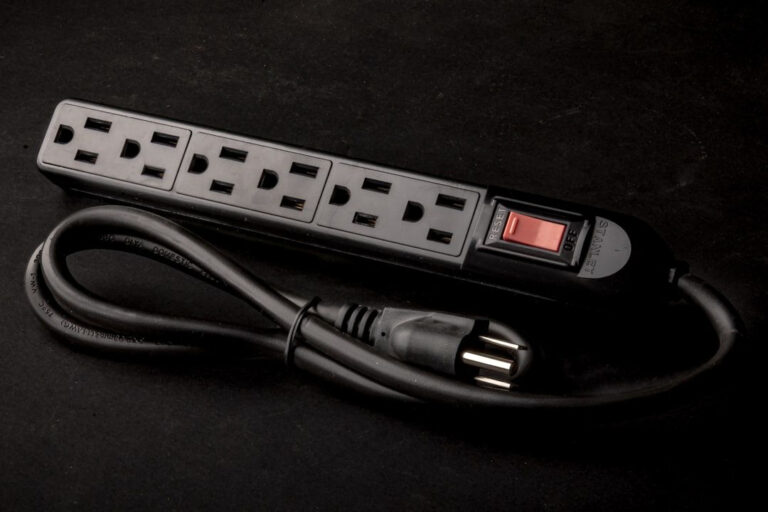
Surge protection guards your outdoor kitchen appliances against the sudden voltage spikes that travel through power lines. Lightning strikes, utility switching, and large appliances cycling on and off can all send damaging surges into your home’s wiring. Modern outdoor kitchens hold sensitive electronics in refrigerators, control boards, and entertainment systems, and a single surge can ruin them in an instant. A whole house surge protector installed at the panel defends every circuit in the home, including the ones feeding your outdoor space. This layer of protection works around the clock without any action on your part once it is in place. Pairing whole house protection with point of use devices adds even more security for valuable equipment. Surge protection is quiet insurance that pays for itself the first time it stops a costly loss.
Ongoing weather resistance depends on materials chosen for the long haul, not just the day of installation. Stainless steel fittings, corrosion resistant hardware, and outdoor rated enclosures all hold up better against rain, salt, and sun than cheaper alternatives. An electrician seals penetrations where wiring enters cabinets or walls so water cannot wick inside and reach connections. Drainage and placement also matter, since outlets and fixtures set in standing water will fail no matter how well they are rated. Regular visual checks help catch worn seals or damaged covers before they let moisture in. A professional install accounts for all of these factors so the system stays strong year after year. This attention to durability is what keeps an outdoor kitchen working long after the first season ends.
Why You Need a Licensed Electrician for Your Outdoor Kitchen Electrical Setup
An outdoor kitchen electrical setup involves load calculations, code requirements, weatherproofing, and grounding that all have to work together perfectly. A licensed electrician brings the training and experience to handle each of these pieces while keeping your family safe. Outdoor electrical work carries real risk, and mistakes here can lead to shock, fire, or expensive damage to your appliances and home. Beyond safety, professional installation protects your warranties, satisfies your insurance, and adds lasting value to your property. The cost of doing the job right the first time is almost always lower than the cost of fixing a rushed or unpermitted install later. Trusting a qualified electrician means your outdoor kitchen will perform safely for many years of summers to come.
Permits and Inspections for a Safe Outdoor Kitchen Electrical Setup
Permits and inspections exist to confirm that your outdoor kitchen electrical setup meets the safety standards that protect your household. Local building codes set clear rules for outdoor wiring, GFCI protection, burial depths, and grounding, and a permit ensures the work follows them. A licensed electrician pulls the proper permits and schedules the inspections that verify the install is correct. Skipping permits might seem like a shortcut, yet it often causes serious headaches when you sell your home or file an insurance claim. Unpermitted electrical work can void coverage and force expensive corrections down the line. Inspections give you a documented, independent confirmation that the job was done to code. That peace of mind is worth far more than the small effort the permit process requires.
Code compliance is not a fixed target, since electrical codes update over time to reflect new safety knowledge. A professional stays current with the latest requirements so your outdoor kitchen meets today’s standards, not those from a decade ago. This matters most with safety devices like GFCI protection and surge protection, where the rules have tightened in recent years. An electrician who knows the current code installs your system right the first time without guesswork. Compliance also protects you legally and financially if a problem ever arises. Working with a licensed professional keeps your project firmly on the right side of these rules. Need your outdoor wiring inspected and verified? Click here for our electrical inspection service.
Documentation from a permitted and inspected install becomes a valuable record for your home over the long term. When the work is signed off by an inspector, you hold proof that the electrical system was built correctly and safely. This record helps during a future sale, when buyers and their agents often ask about additions and upgrades. It also smooths any conversation with your insurance company should a claim ever touch the outdoor kitchen. A reputable electrician keeps you informed through each stage so you understand what was done and why. That transparency builds trust and leaves you with confidence in the finished space. Good paperwork is simply part of a job done the right way.

Avoiding Costly Mistakes in an Outdoor Kitchen Electrical Setup
Costly mistakes in an outdoor kitchen electrical setup almost always trace back to skipped steps or untrained hands. Undersized wiring, missing GFCI protection, and overloaded circuits top the list of problems that surface after a do it yourself or unlicensed install. These issues often hide until a hot summer day when every appliance runs at once and the system finally fails. By then, repairs mean opening finished cabinetry, patios, and walls at far greater expense than the original work. A licensed electrician avoids these traps by planning the load and sizing every component correctly from the start. Prevention costs a fraction of repair, and it spares you the frustration of a kitchen that cannot keep up. Doing it right once is always the better path.
Weather related failures make up another large share of outdoor kitchen electrical problems. Indoor grade outlets, missing covers, and poorly sealed connections all let moisture reach places it should never touch. Corrosion creeps in slowly, then suddenly a circuit trips or an outlet stops working in the middle of a gathering. A professional selects outdoor rated materials and seals every connection so the system resists the elements for the long haul. This attention to detail is hard to see at a glance, yet it is exactly what keeps the kitchen running through rain and heat. Cutting corners on weatherproofing always costs more in the end. Quality materials and careful work protect your investment season after season.
Capacity mistakes round out the most common and expensive errors homeowners face with outdoor kitchens. Adding a full appliance suite to a panel that lacks room overloads the system and creates real fire risk. Some homeowners only discover the problem after breakers trip repeatedly or after an inspector flags the install. A licensed electrician checks your panel capacity first and recommends a panel upgrade or subpanel when needed. This step prevents the dangerous practice of stacking too much load onto circuits never meant to carry it. Planning capacity correctly protects both your home and your appliances. Need more room in your panel for an outdoor kitchen? Click here for our electrical panel upgrade service.
Why Choose Gragg Electrical Services for Your Outdoor Kitchen Electrical Setup
Gragg Electrical Services brings more than twenty years of proven local experience to every outdoor kitchen electrical setup we build. We understand the homes, the weather, and the code requirements across East Canton and the surrounding communities. Our crews show up respectful, clean, and professional, and we treat your property with the same care we would give our own. Every install is backed by our Lifetime Craftsmanship Guarantee, so you can trust the work for the long haul. We handle the permits, the inspections, and the technical details so you can focus on enjoying your new space. Our goal is a safe, reliable outdoor kitchen that serves your family for many years.
We know that a major upgrade is an investment, and we make it easier to move forward with financing available through GreenSky and Turns. Our team walks you through the plan clearly, with honest pricing and no surprises along the way. When an unexpected issue arises, our 24/7 emergency service stays on standby so help is always within reach. We believe in doing the job right the first time, which saves you money and stress over the life of the system. Our deep roots in this community mean we are here to stand behind our work for years to come. You are never just another job to us; you are a neighbor.
Choosing Gragg Electrical Services means choosing a partner who cares about safety, quality, and your complete satisfaction. We design your outdoor kitchen electrical setup to meet today’s code, handle real world use, and grow with your future plans. From load calculations to GFCI protection, lighting, and surge defense, we cover every detail with skill and care. Reach our team at (330) 488-8009 or email info@graggelectrical.com to talk through your project. We are proud to serve East Canton and the surrounding areas, and we would be glad to help you build the outdoor kitchen you have been picturing. Call today, and let us power your next summer the right way.