How to Tell If Your Home Needs a Grounding Upgrade
Grounding is one of the most important safety features in any home, yet it often goes unnoticed until something goes wrong. A properly grounded electrical system gives stray current a safe path back to the source, which lets your breakers trip and shuts down danger before it spreads. Many older houses across Stark County were built before modern grounding rules existed, so they still run on outdated wiring that cannot protect people or appliances. You might notice small warning signs long before a serious problem appears, and learning to read those signs can save you money and stress. Some clues show up at your outlets, while others appear as shocks, flickers, or damaged electronics. A grounding upgrade brings your system in line with current safety standards and adds a strong layer of protection for your family. Knowing when to call a licensed electrician makes all the difference. This guide walks you through the signs, the process, and the real value of getting your home properly grounded.
Common Signs Your Home Needs a Grounding Upgrade
Your home gives off several hints when its grounding system is failing or missing entirely. Some of these signs are easy to spot once you know what to look for, while others hide behind walls or inside your electrical panel. A grounding upgrade becomes necessary when these warning signs start to stack up. Outlets, shocks, and surge damage are the three most common red flags that homeowners report. Each one tells a slightly different part of the story, and together they paint a clear picture of an unsafe system. Paying attention to these clues helps you act before a small issue turns into a fire or shock hazard. The sections below break down what to watch for and why each sign matters.
Outlet Clues That Signal a Grounding Upgrade
The fastest way to spot a grounding problem is to look closely at your outlets. Older homes often have outlets with only two slots instead of three, and that missing third slot is the ground. Without that ground connection, your devices have no safe path to carry away fault current. You may also find three slot outlets that were swapped in over the years without a real ground wire behind them. This is a common and dangerous shortcut that makes an outlet look safe while offering no protection at all. A simple plug in outlet tester can reveal an open ground in seconds, and the results often surprise homeowners. If your home is full of two slot outlets, that alone is a strong reason to consider a grounding upgrade.
Loose or warm outlets are another clue that something is wrong inside your electrical system. When a ground is missing or poorly connected, current can take unexpected paths and create heat at connection points. You might feel a faint buzz, notice a slight discoloration around the cover plate, or smell a faint burning odor near the wall. These symptoms should never be ignored, since they can point to both grounding faults and loose wiring. A licensed electrician can open the outlet and confirm if a proper ground wire is present and bonded. In many older homes, the wiring was never designed to handle today’s heavy electronic loads. Upgrading the grounding at the same time as the wiring gives you a safer and more reliable result. Acting early keeps a minor concern from growing into a costly repair.
The age of your home is a strong predictor of outlet grounding problems. Houses built before the 1960s frequently relied on knob and tube wiring or early cloth covered cable that had no ground conductor at all. Even homes from the 1970s and 1980s can have grounding gaps depending on how they were wired and later updated. If you have never had your outlets inspected, you may be living with hidden risks you simply cannot see. A thorough check by a professional reveals which circuits are grounded and which are not. From there, your electrician can map out a plan that brings every outlet up to current code. Need your outlets checked for proper grounding? Click here for our electrical grounding service.

Electrical Shocks That Point to a Grounding Upgrade
Feeling a shock when you touch an appliance is one of the clearest warnings of a grounding failure. A grounded system carries stray voltage safely away, so you should never feel a tingle from a metal surface. When you do feel a jolt from a faucet, a washer, a dryer, or a metal light fixture, current is escaping where it should not. This kind of stray voltage can come from a damaged appliance, but it often points to a missing or broken ground. The shock may feel mild at first, yet the underlying fault can grow worse over time. People with heart conditions and small children face even greater risk from these small jolts. Never assume a shock is harmless or normal, because it almost always signals a real problem. A licensed electrician can test the circuit and find the source quickly.
Static like shocks that repeat in the same spot deserve special attention. A true grounding fault tends to show up again and again at the same outlet or appliance, unlike random static from carpet. You might notice it more in damp areas such as kitchens, bathrooms, basements, and laundry rooms. These spaces combine water and electricity, which raises the danger of a serious shock. Modern code requires ground fault protection in these locations for exactly this reason. If your home lacks both proper grounding and ground fault outlets, the risk climbs sharply. Upgrading the grounding and adding the right protective devices closes that gap. This is one of the most valuable safety improvements an older home can receive.
Shocks are not only a comfort issue; they are a sign that your system cannot protect you during a real fault. When a hot wire touches a metal case, a grounded system sends that current straight to the breaker and shuts the circuit down. Without that path, the metal case stays energized and waits for a person to complete the circuit instead. That is the exact scenario grounding is designed to prevent. A professional inspection can confirm if your grounding is doing its job across the whole house. We often pair this work with a full safety review through our inspection service. Catching these faults early protects both your family and your property. Worried about shocks around your home? Click here for our electrical inspection service.
Surge Damage That Warns of a Needed Grounding Upgrade
Electronics that fail too soon can be a quiet sign of poor grounding. A proper ground gives surge protectors a path to send extra voltage safely into the earth. Without that path, a surge protector cannot do its full job, even if the little green light is still glowing. You might notice computers, televisions, or game systems dying earlier than they should. Sometimes a single storm takes out several devices at once across the house. These losses add up fast, and many homeowners never connect them to a grounding problem. A grounding upgrade restores the protection that your surge devices were meant to provide. It also sets the stage for a whole house surge protector to work the way it should.
Lightning and utility switching send powerful spikes through your wiring more often than people realize. A home with strong grounding handles these events far better than one without it. The ground conductor and ground rods give that energy somewhere to go besides your sensitive electronics. When the grounding is weak, those spikes bounce around your circuits and damage whatever is plugged in. Surge damage can be sudden and dramatic, or it can be slow and quiet over many small hits. Either way, the root cause often traces back to a grounding weakness. Pairing a grounding upgrade with surge protection gives you layered defense. This combination is one of the smartest investments for any home full of modern electronics.
Repeated tripping of surge protectors or power strips can also hint at a grounding issue. A device that constantly trips or burns out may be reacting to voltage that has nowhere safe to go. You should treat this pattern as a request for a professional inspection rather than a simple nuisance. Replacing the strip without fixing the ground only hides the real problem. An electrician can verify the grounding electrode system and confirm it meets current standards. We can also recommend a strong surge solution to guard everything behind your panel. Protecting your electronics starts with a solid ground. Ready to defend your devices? Click here for our whole house surge protector service.
How a Professional Grounding Upgrade Works
A grounding upgrade is more than swapping a few outlets; it is a careful update to the backbone of your electrical safety system. A licensed electrician starts by understanding how your current system is built and where it falls short. From there, the work moves through inspection, electrode improvements, and panel updates in a logical order. Each step builds on the last to create one continuous and reliable path to ground. The goal is a system that meets the National Electrical Code and protects every circuit in the house. Good grounding work stays mostly out of sight, yet it does some of the hardest work in your home. The sections below explain what a professional grounding upgrade actually involves.
The Grounding Upgrade Inspection Process
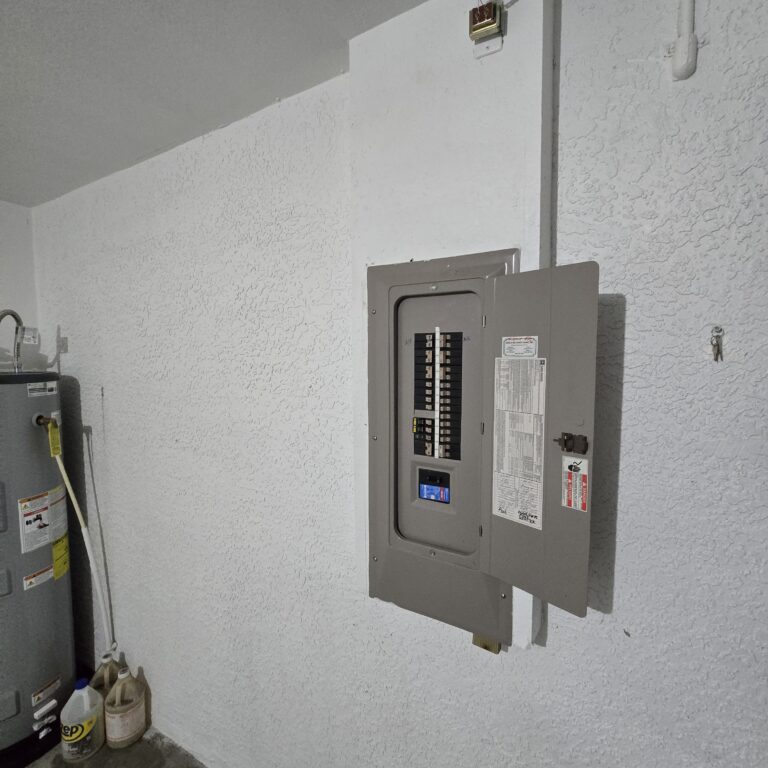
Every grounding upgrade begins with a thorough inspection of your existing system. The electrician checks your main panel, your outlets, and your grounding electrode connections. They look for a grounding electrode conductor that ties your panel to ground rods, a water pipe, or other approved electrodes. They also confirm that the neutral and ground are bonded correctly at the main panel and only there. Many older homes have missing bonds, corroded clamps, or connections that were never completed. The inspection reveals exactly where the system breaks down and why. With that map in hand, the electrician can plan a fix that addresses the real problems instead of guessing.
Testing is a major part of the inspection, since you cannot see grounding quality with the naked eye. Electricians use specialized meters to measure ground resistance and confirm that current can flow as designed. They check each circuit to learn which outlets are truly grounded and which only appear to be. They also look for double tapped breakers, shared neutrals, and other issues that affect safety. This data turns a vague worry into a clear and specific repair plan. Homeowners often appreciate seeing the actual numbers behind the recommendation. A transparent inspection builds trust and shows exactly why a grounding upgrade is needed. It also helps you prioritize the most urgent fixes first.
The inspection also looks at the bigger picture of your home’s electrical health. Grounding problems often travel alongside aging panels, undersized service, and outdated wiring methods. An experienced electrician notes these related issues so nothing important gets missed. If your panel is too old or too small, an upgrade there may become part of the plan. Sometimes a grounding upgrade pairs naturally with an electrical panel upgrade for a complete result. The electrician explains your options in plain language before any work begins. You stay in control of the budget and the timeline the entire way. This honest approach is the foundation of safe and lasting electrical work.
Grounding Electrode Work in a Grounding Upgrade
The grounding electrode system is the part that physically connects your home to the earth. In most homes, this means one or two ground rods driven deep into the soil near the service. Code often requires two rods spaced apart unless a single rod tests low enough on its own. The electrician bonds these rods to your panel with a properly sized grounding electrode conductor. They also bond to the metal water pipe where it enters the home, since that pipe can carry current. In newer construction, a concrete encased electrode within the foundation may serve as a strong ground. Each of these elements works together to give fault current many safe paths to the earth.
Soil conditions in Stark County affect how well your ground rods perform. Dry, rocky, or sandy soil offers more resistance and can weaken the connection to the earth. Electricians account for this by testing resistance and adding rods when the readings call for it. Corroded clamps and loose connections are common problems found during electrode work. A green or white crust on a clamp signals corrosion that can break the path to ground. Replacing these clamps and cleaning the connections restores a solid bond. Good electrode work is precise and code driven, not a matter of guesswork. The result is a dependable foundation that the rest of your system relies on.
Bonding is just as important as the electrodes themselves in a grounding upgrade. Bonding ties together all the metal parts of your electrical system so they share the same potential. This includes the panel, conduit, metal water lines, gas lines where required, and other metal systems. When everything is bonded, a fault cannot leave one metal surface energized while another stays safe. Proper bonding prevents the dangerous voltage differences that cause shocks. The electrician verifies every bonding point during the upgrade and corrects anything that is missing. This careful attention is what separates a real grounding upgrade from a quick patch. Strong bonding and solid electrodes together create the safe path your home needs.
Panel and Outlet Changes During a Grounding Upgrade
Inside the panel, the electrician makes sure the neutral and ground are handled correctly. At the main service, the neutral and ground bond together at a single point as code requires. In subpanels, the neutral and ground must stay separated to prevent current on the ground wire. Many older or homeowner modified panels get this wrong, which creates hidden hazards. During a grounding upgrade, the electrician corrects these errors and adds proper grounding bars where needed. Each circuit then gets a verified ground path back to the panel. This work is detailed and exacting, but it is the very heart of a safe system.
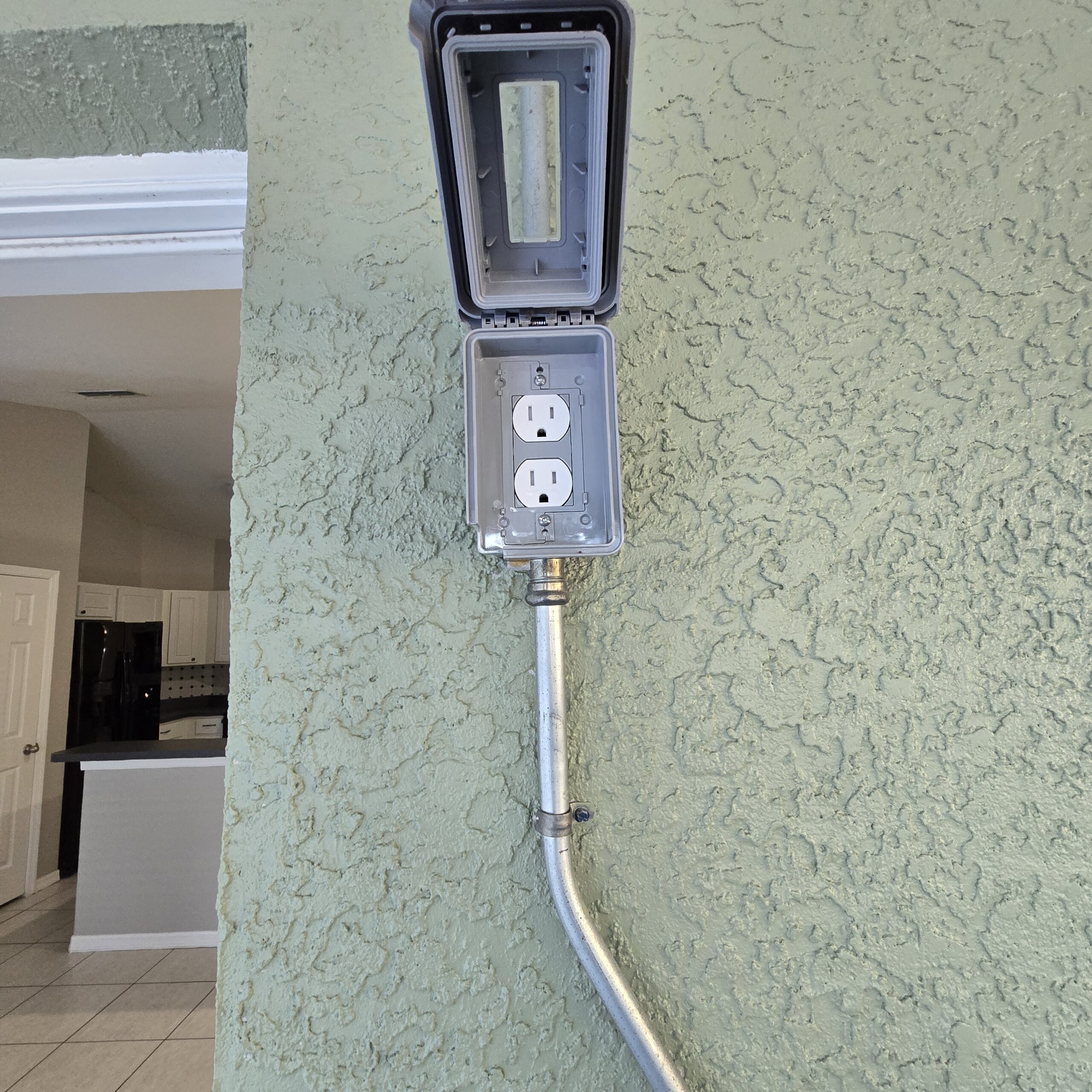
Out at the outlets, the electrician brings each receptacle up to a grounded standard. Where a true ground wire exists, they connect three prong outlets properly and test each one. Where no ground exists yet, they either run a new ground or install ground fault protection as code allows. A ground fault outlet labeled correctly can protect people even on a circuit without an equipment ground. This gives older homes a safe and legal path forward while wiring upgrades continue. The electrician labels everything clearly so future work stays simple and safe. Every outlet is tested again at the end to confirm the ground is real. Homeowners gain peace of mind knowing each outlet finally does its job.
Special locations get extra attention during a grounding upgrade. Kitchens, bathrooms, garages, basements, and outdoor outlets all need ground fault protection under modern code. These are the places where water and electricity meet most often. The electrician installs or verifies ground fault devices in each of these areas. They also check that high draw appliances like ranges, dryers, and water heaters are grounded correctly. A loose ground on a large appliance can be both a shock hazard and a fire risk. Finishing these details turns a partial fix into a complete, code compliant upgrade. The home leaves the project safer than it has been in decades.
Why You Need a Professional Grounding Upgrade in Your Home
A grounding upgrade is one of the most valuable safety investments a homeowner can make. It protects your family from shock, guards your home against electrical fire, and shields your electronics from damage. This is not a project for guesswork or weekend experiments, since grounding mistakes can be deadly. A licensed electrician brings the training, tools, and code knowledge to get it right the first time. The peace of mind that comes with a properly grounded home is hard to overstate. The sections below explain why professional work matters and why local homeowners trust our team.
The Safety Payoff of a Grounding Upgrade
The biggest reason to invest in a grounding upgrade is simple human safety. A grounded home gives fault current a clear path to trip the breaker before anyone gets hurt. Without that path, a single wiring fault can leave a metal surface live and waiting. Children, pets, and anyone working near appliances face real danger in an ungrounded home. A proper upgrade removes that risk and brings your system in line with modern standards. Safety like this is worth far more than the cost of the work.
Fire prevention is another major payoff of strong grounding. Loose grounds, missing bonds, and stray current can create heat inside walls over time. That hidden heat can scorch insulation and eventually start a fire you never see coming. A grounding upgrade tightens every connection and removes those dangerous weak points. It works alongside your breakers and surge devices to keep faults from turning into flames. For an older home, this protection can be the difference between a minor repair and a tragedy.
Insurance and home value also benefit from a documented grounding upgrade. Many insurers look closely at electrical systems, especially in older homes with outdated wiring. A modern, grounded system can make coverage easier to obtain and keep. Buyers and inspectors also notice when a home has been properly updated and cared for. A grounding upgrade signals that the electrical system has been brought to current standards. That kind of confidence pays off long after the work is complete.

Protecting Electronics With a Grounding Upgrade
Modern homes are packed with sensitive electronics that depend on clean, grounded power. Computers, televisions, smart home gear, and major appliances all run better on a stable system. A grounding upgrade gives surge protectors and surge devices the path they need to work. Without solid grounding, even expensive protection equipment cannot fully shield your investments. Many homeowners are surprised how much longer their devices last after an upgrade. Protecting your electronics is a practical reason to ground your home correctly.
Power quality improves in noticeable ways once grounding is corrected. Flickering lights, random resets, and odd buzzing often fade after a proper upgrade. A stable ground reference helps your devices receive steady, predictable power. This stability reduces wear on motors, circuit boards, and power supplies throughout the home. Smart home systems in particular reward a clean and well grounded electrical setup. The result is a home that feels more reliable in everyday use.
A grounding upgrade also prepares your home for future electrical demands. New ovens, ranges, water heaters, and electric vehicle chargers all draw heavy loads. These large appliances rely on solid grounding to operate safely and pass inspection. By upgrading now, you build a foundation that supports the additions you plan later. This forward thinking approach saves money and hassle down the road. A grounded home is a ready home for whatever comes next.
Your Local Choice for a Grounding Upgrade
Gragg Electrical Services brings more than twenty years of proven local experience to every grounding upgrade. Our licensed team knows the homes and the soil conditions across East Canton and the surrounding communities. We treat your home with respect, keep our work areas clean, and explain every step in plain language. Each grounding upgrade is backed by our Lifetime Craftsmanship Guarantee for lasting peace of mind. We stand behind our work because we care about the families we serve. That commitment to ethos guides everything we do.
We make safety upgrades simple and stress free from start to finish. Our crews arrive on time, work efficiently, and leave your home better than we found it. When emergencies strike, our 24/7 emergency service stands ready around the clock. We also offer financing through GreenSky and Turns, so a needed upgrade fits your budget. You never have to choose between safety and affordability with our team. We believe every family deserves a safely grounded home.
Choosing a local electrician you can trust makes all the difference in a project this important. We are proud to serve East Canton, Canton, North Canton, Massillon, Louisville, and the wider Stark County area. Our reputation is built on honest work, fair pricing, and lasting results. When you call us at (330) 488-8009, you reach a team that treats your safety as our top priority. Ready to find out if your home needs a grounding upgrade? Reach out today and let our experts take a look.