Outdoor Electrical Safety Tips for Summer Cookouts
Summer cookouts in East Canton bring families together around grills, string lights, and outdoor sound systems, but every one of those plug-ins carries real electrical risk if the setup is not done right. Wet grass, splashing pool water, overloaded extension cords, and aging outdoor outlets can turn a backyard party into an emergency in seconds. Most homeowners do not realize how much current their summer gear actually pulls until a breaker trips during the burger flip or an outlet starts smoking near the cooler. Outdoor electrical safety is not just about avoiding inconvenience; it protects your guests, your pets, and your home from shock hazards and fire. The good news is that a few smart habits and a properly wired outdoor space can prevent almost every common cookout incident. This guide walks through the exact safety steps homeowners in Stark County should follow before firing up the grill this season. By the end, you will know what to check, what to upgrade, and when to call a licensed electrician.
Why Outdoor Electrical Safety Matters During Summer Cookout Season
Outdoor electrical safety during summer cookout season comes down to one simple fact; outdoor environments expose your wiring, outlets, and devices to conditions they were never designed to handle indoors. Humidity, sudden Ohio thunderstorms, lawn moisture, grease splatter, and curious children all create conditions where a small fault becomes a serious shock. Summer is also when extension cords get stretched across yards, lights get strung from trees, and music speakers get plugged into outlets that have not been tested in years. The National Fire Protection Association consistently lists outdoor electrical failures among the top contributors to summer residential fires. Add in the fact that grills, smokers, and outdoor refrigerators draw far more amperage than most homeowners expect, and the load on a single backyard outlet can become dangerous fast. Taking outdoor electrical safety seriously means inspecting your setup before the first cookout, not after something goes wrong.
Outdoor Electrical Safety Risks Hidden in Your Backyard Cookout Setup
Most backyards in East Canton have at least one outdoor outlet, but very few have been inspected in the last decade, and that is where hidden risks live. Weather-tight covers crack over time, screws rust through, and the gasket inside the outlet box dries out and lets moisture creep into the wiring behind it. When that moisture meets a hot summer load from a griddle or electric smoker, you get arcing inside the wall that can smolder for hours before anyone notices. Even brand new outdoor gear plugged into an old outlet can create a ground fault that the original wiring cannot detect. Squirrels and mice also love chewing on outdoor wire jackets during winter, and homeowners only discover the damage when they plug something in during summer. Tree branches that grew over the winter can now rest on service lines or string-light runs, creating slow rubs that wear through insulation. Every one of these hidden risks is easy to miss until smoke or sparks make them impossible to ignore.
Extension cords are the single biggest source of cookout electrical accidents, and almost every homeowner uses them wrong at some point. Indoor extension cords get dragged outside for a quick party, but they have no UV protection, no weather seal, and no rating for the wattage of modern outdoor appliances. A standard 16-gauge cord powering a 1500-watt electric griddle will heat up to dangerous temperatures inside the insulation, even though nothing looks wrong from the outside. Daisy-chaining two or three cords together multiplies voltage drop and creates connection points where moisture pools and corrodes. Cords laid across walkways get stepped on, rolled over by coolers, and pinched by patio furniture, all of which break internal strands without breaking the outer jacket. The result is a cord that looks fine but is one spark away from failure. Using the correct outdoor-rated, properly gauged cord for the job is one of the easiest safety upgrades anyone can make.
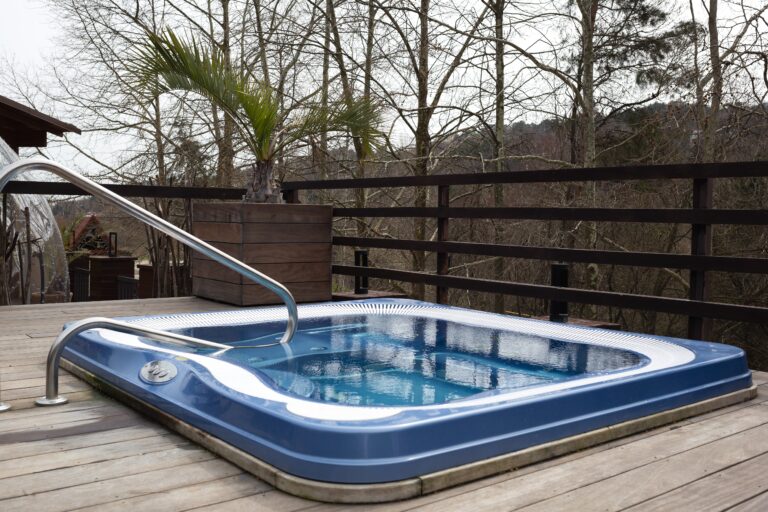
Pools, splash pads, hot tubs, and even kiddie pools introduce another layer of risk that catches families off guard every summer. Water and electricity are an obvious dangerous combination, but the danger zone around water is larger than most people think; codes require specific clearances for outlets, switches, and luminaires near any water feature. A speaker plugged in near the pool, a phone charging on a wet table, or a string light hanging too low over a hot tub can all create electrocution paths that kill in seconds. Children running between sprinklers and outdoor outlets are especially vulnerable because their wet skin lowers electrical resistance dramatically. If your home has any water feature near electrical equipment, the wiring must be GFCI protected and installed at code-compliant distances. Want a professional safety check before your next pool party? Click here for our electrical inspection service.

Outdoor Electrical Safety Starts With GFCI Protection on Every Exterior Outlet
GFCI protection is the single most important outdoor electrical safety feature in any home, and it should be on every exterior outlet without exception. A ground fault circuit interrupter monitors the electrical current going out and coming back, and the moment it detects even a tiny imbalance it shuts the circuit off in milliseconds. That tiny imbalance is exactly what happens when current starts flowing through a person instead of back through the neutral wire. Older homes in East Canton, North Canton, and Louisville often have outdoor outlets that predate GFCI requirements entirely, and they offer zero protection against ground faults. Even homes built in the 1990s may have GFCIs that have aged past their reliable lifespan, since the internal components wear out after about ten to fifteen years. Testing your GFCI outlets monthly with the built-in test button is a habit every homeowner should adopt, and any outlet that fails the test needs immediate replacement.
Installing GFCI outlets in the right locations is just as important as having them at all, and the code requirements have expanded significantly over the years. Every receptacle on the exterior of the home, around pools, in garages, in unfinished basements, and within six feet of any sink now requires GFCI protection. That includes outlets you may not think of as outdoor, like the one in your detached pole barn, the receptacle on the back of your garage, or the plug near the outdoor faucet. Many homeowners also forget that GFCI protection can be provided at the breaker level, which means one breaker can cover an entire outdoor circuit. This approach is often cleaner and more reliable than individual outlet GFCIs, especially for circuits feeding multiple exterior locations. A licensed electrician can evaluate your panel and determine the most cost-effective way to bring your home up to current safety standards.
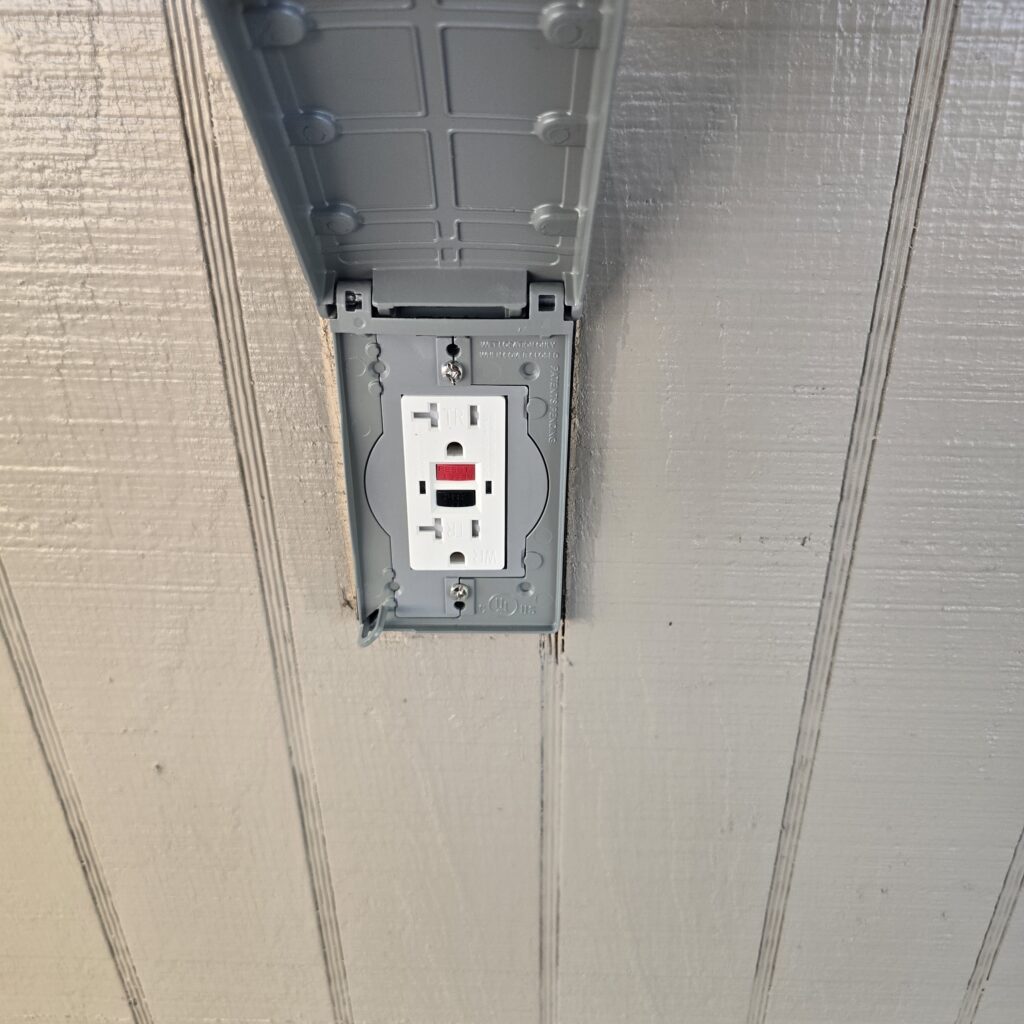
GFCI outlets also need weather-resistant ratings and in-use covers to function properly outdoors, and this is where many DIY installations fall short. A standard GFCI outlet installed outside without a proper bubble cover will eventually fail because moisture gets inside the device, and a tripped GFCI in the rain is far better than a non-tripped fried one. The cover must close fully even when a cord is plugged in, which means you need a deep, hinged bubble cover and not the old flip-lid style. Weather-resistant outlets have corrosion-resistant contacts and sealed internal components that handle Ohio humidity year-round. Replacing every outdoor outlet with the correct WR-rated GFCI and proper in-use cover is one of the highest-value safety upgrades a homeowner can make. Click here for our GFCI outlet installation service to get every exterior outlet upgraded before your next cookout.
Outdoor Electrical Safety Demands Smart Load Management at Summer Gatherings
Smart load management at summer gatherings is what separates a smooth cookout from a tripped breaker that ruins the evening, and most homeowners have no idea how much power their setup actually draws. A typical electric griddle pulls 1500 watts, a portable smoker can pull another 1200 watts, a margarita blender adds 500 watts, and string lights can add another 200 to 400 watts depending on the run length. Stack those on a single 15-amp circuit and you are already past the 1800-watt safe working limit before anyone even plugs in a phone charger. Standard outdoor circuits in older East Canton homes are often shared with garage outlets, basement lighting, or even bedroom receptacles, which means your indoor activities compete with your cookout load. Knowing what is on each circuit takes a few minutes with the panel directory, and that knowledge prevents the dreaded mid-party blackout. Mapping your circuits before summer is a small investment of time that pays off every gathering.
Dedicated outdoor circuits are the proper solution for homes that entertain regularly, and they are worth the upgrade for anyone serious about cookout reliability. A dedicated 20-amp circuit feeding two or three exterior outlets gives you a full 2400 watts of working capacity without touching any other part of the house. Two dedicated circuits, one for cooking equipment and one for lighting and entertainment, completely eliminates the load conflicts that cause summer breaker trips. These circuits should be GFCI protected at the breaker, run in weather-rated conduit, and terminate in WR-rated outlets with proper covers. Adding dedicated outdoor circuits also makes future upgrades like an outdoor kitchen, hot tub, or pool pump much easier to install down the road. Many homeowners find that the cost of two dedicated circuits is comparable to a single high-end grill, and the convenience is permanent.
Generators and battery backup stations have become popular for summer cookouts, but they introduce their own load management considerations that need to be respected. Portable generators must never be connected to home wiring without a proper transfer switch or interlock kit, because back-feeding power can kill utility workers and destroy appliances. Battery stations are safer in that regard but still have wattage limits that get exceeded faster than most users expect when running multiple appliances. Outdoor extension cords from generators must be properly gauged for the distance and load, and they should never run through standing water or wet grass. If you find yourself relying on portable power for every cookout, a permanently installed standby generator is a far safer and more convenient solution. Click here for our generator installation service to power your backyard the right way.
How to Prepare Your Outdoor Electrical System Before the Next Summer Cookout
Preparing your outdoor electrical system before the next summer cookout takes about an hour of focused inspection and pays off in safety, reliability, and peace of mind. The goal is to walk your property like an electrician would, looking at every outlet, cord, light fixture, and connected appliance with fresh eyes. Most issues are visible if you know what to look for; cracked covers, discolored outlets, frayed cord jackets, loose mounting screws, and missing weather seals all tell a story. You should also test every GFCI outlet, check that all outdoor lights have weather-rated bulbs, and verify that your panel directory accurately reflects what each breaker controls. This pre-season inspection is the same approach licensed electricians use during a full home electrical safety evaluation. Catching small issues now prevents the larger problems that surface mid-party when guests are already on the way.
How to Inspect Outdoor Outlets and Covers Before Your Summer Cookout
Inspecting outdoor outlets and covers before your summer cookout starts with a simple visual check of every exterior receptacle on your property, including ones on the garage, shed, deck, and detached structures. Look for cracked plastic, rust on the screws, discoloration around the outlet face, and any gaps where the cover meets the wall. Any outlet that shows scorch marks, melted plastic, or a brownish tint around the slots has experienced overheating and must be replaced immediately, no exceptions. Press the test button on each GFCI outlet and confirm it trips, then press reset and confirm power returns; an outlet that does not trip or does not reset is a failed device. Also check that the cover closes fully when nothing is plugged in, and that it can close around a cord when something is plugged in. Replace any cover that does not seal properly, since a poor seal lets moisture into the box and accelerates failure.
The mounting and gasket condition of outdoor outlets matters as much as the outlet itself, and this is often where amateur installations fail over time. The outlet box should be flush with the siding, sealed with caulk or a foam gasket, and screwed in tightly with no play when you push on the cover. If you can wiggle the outlet, water has likely been getting behind it for years and the wiring inside the box needs inspection. Look at the wire entry points on the back of the box from inside the garage or basement if you can access them, checking for water stains, corrosion, or signs of pest damage. Outlets installed too low to the ground, especially below twelve inches, are particularly vulnerable to splash, snow buildup, and lawn equipment damage. Raising low outlets or relocating them to safer heights is a worthwhile upgrade during any electrical service call.
Testing for proper wiring is the final step, and it requires a simple outlet tester that costs less than twenty dollars at any hardware store. Plug the tester into each outlet and check the indicator lights against the legend on the device; you are looking for correct hot, neutral, and ground connections. Any outlet showing open ground, reversed polarity, or hot-neutral reverse is wired incorrectly and presents a real shock hazard. Older outdoor outlets in homes built before the 1970s may have no ground wire at all, which makes GFCI protection essential for any modern appliance. If your tester shows problems on multiple outlets, the issue may be at the panel or in a junction box upstream, and a licensed electrician should trace and correct the wiring. Click here for our electrical repair service to fix any outlet issues before they ruin your cookout.
How to Choose the Right Extension Cords for Summer Cookout Safety
Choosing the right extension cords for summer cookout safety means matching the cord to the load, the distance, and the environment, and most homeowners get this wrong by default. Outdoor extension cords are marked with a “W” on the jacket, indicating they are rated for outdoor use with UV-resistant and moisture-resistant insulation. The gauge of the cord determines how much current it can safely carry; a 12-gauge cord handles up to 20 amps, a 14-gauge cord handles up to 15 amps, and a 16-gauge cord handles only about 13 amps. The longer the cord, the more voltage drops along the way, which means a 100-foot cord powering a heavy appliance needs a heavier gauge than a 25-foot cord doing the same job. For most cookout appliances, a 12-gauge outdoor-rated cord is the safe default, even if it costs more than the thin orange cord in the garage. Buying the right cord once is cheaper than replacing a grill, a deck, or a house after a fire.
Cord placement and routing matters just as much as cord quality, and bad routing causes more failures than bad cords. Never run extension cords under rugs, through doorways that close on them, or across walkways where they get stepped on repeatedly. Outdoor cords should be elevated when possible, kept out of standing water, and never coiled tightly while in use because coiled cords trap heat and can melt their insulation from the inside. Connections between cord ends should be wrapped or covered with a weatherproof cord lock or twist-lock to keep moisture out and prevent accidental disconnection. If a cord feels warm to the touch while in use, the load is too high for that gauge and something needs to change immediately. Replace any cord with a cut jacket, exposed copper, bent prongs, or a melted plug, and never tape damaged cords back together.
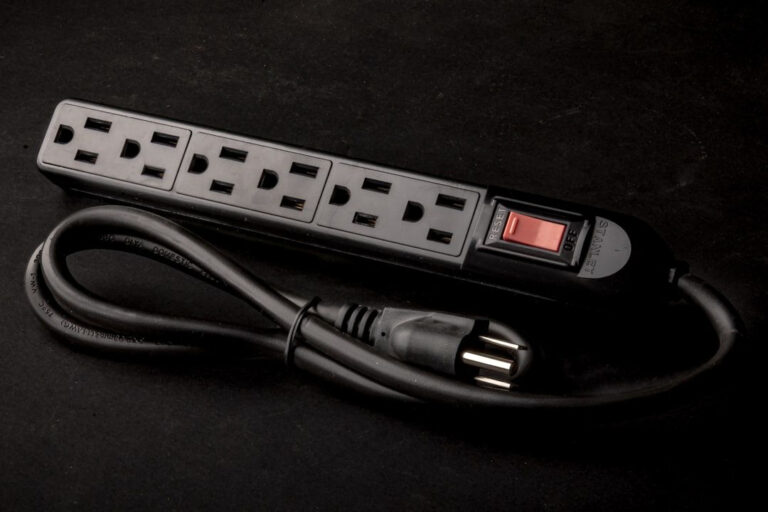
Daisy-chaining cords and using indoor power strips outdoors are two habits that cause an outsized share of cookout accidents, and both should be eliminated entirely. Each connection point between cords adds resistance and creates a spot where moisture and corrosion build up over time, dropping voltage and heating connections. Indoor power strips have no weather protection and no GFCI capability, which makes them completely inappropriate for any outdoor use. If you need multiple outlets in one location, install a dedicated outdoor outlet with GFCI protection, or use an outdoor-rated, GFCI-equipped power station designed for the job. The right answer for any home that hosts regular gatherings is to add proper outlets where they are needed rather than running long cords from a single source. A licensed electrician can assess your layout and recommend the right number and location of outdoor receptacles.
How to Set Up Outdoor Lighting Safely for Summer Cookouts
Setting up outdoor lighting safely for summer cookouts starts with using only fixtures and bulbs rated for outdoor wet or damp locations, and skipping anything designed for indoor use entirely. String lights are the most common offender, with cheap indoor-rated sets being hung in trees and across pergolas where rain and humidity destroy them quickly. Look for UL listings that specifically mention outdoor use, and pick LED bulbs over incandescent for cooler operation, lower power draw, and longer life. The total wattage of a string light run should never exceed the manufacturer’s stated maximum, which is usually printed near the plug end. Connecting multiple light strings together without checking that limit is a leading cause of melted plugs and small electrical fires. Plug all string lighting into a GFCI-protected outlet so that any fault shuts the circuit down before anyone gets hurt.
Permanent outdoor lighting around patios, walkways, and grilling areas is far safer and more reliable than seasonal setups, and it dramatically improves the usability of your outdoor space. Properly installed pathway lights, post lights, and downlights mounted on the home use weather-rated wire run through buried conduit and connected to a dedicated outdoor circuit. Low-voltage landscape lighting is another excellent option that uses a transformer to step household current down to 12 or 24 volts, making the wiring inherently safer to work around. Smart outdoor lighting now lets you schedule, dim, and color-tune everything from your phone, adding ambiance for cookouts without rewiring anything. The right lighting plan also improves security year-round, deterring intruders and making walkways safer during winter ice and summer storms. Click here for our outdoor lighting installation service to upgrade your backyard for every season.
Lighting placement near grills, smokers, and cooking surfaces requires special attention because heat and grease both shorten the life of any fixture nearby. Keep fixtures at least three feet above and away from cooking equipment, and use enclosed fixtures rather than open sockets that can catch grease vapor. Pendant lights over outdoor kitchens should be specifically rated for kitchen or covered outdoor use, with sealed bases and easy-clean surfaces. Never run extension cords across grilling areas where they can be stepped on, melted by hot grease, or caught by a falling utensil. Bug zappers, mosquito traps, and other plug-in outdoor devices should be on their own GFCI outlets and kept away from food preparation areas. Thoughtful placement of every powered device around the cooking zone prevents the small accidents that ruin otherwise perfect evenings.
Why You Need a Professional Outdoor Electrical Safety Inspection Before Cookout Season
A professional outdoor electrical safety inspection before cookout season catches the issues that homeowners cannot see and provides documentation that your system is ready for heavy summer use. Licensed electricians use thermal cameras, circuit analyzers, and load-testing equipment that reveal hidden problems inside outlets, junction boxes, and panels. They also know the current code requirements for outdoor circuits, GFCI placement, and bonding around pools and water features in Stark County. Most homeowners only discover wiring problems after something fails, and by then the repair cost is far higher than a proactive inspection would have been. An inspection also gives you a written record of your home’s electrical condition, which matters for insurance, resale, and warranty purposes. Scheduling that inspection in spring, before the first cookout of the season, is the smartest move any homeowner can make.
Why Professional Outdoor Electrical Safety Inspection Catches Hidden Cookout Risks
Professional outdoor electrical safety inspection catches hidden cookout risks because trained electricians know exactly where to look and what symptoms to recognize. Loose neutral connections, corroded splice points, and overheated breakers all show patterns that experienced eyes spot immediately. Thermal imaging during a load test reveals hot spots inside panels, outlets, and junction boxes that look perfectly normal to the naked eye. These hot spots are the early stage of every electrical fire, and catching them while they are still small is the entire goal of professional inspection. A homeowner walking the yard with a flashlight cannot replicate this level of diagnostic accuracy.
Inspections also verify that your home meets current code, which has changed significantly over the past two decades especially around outdoor and wet-location wiring. Homes built before the 2008 NEC update may have outdoor wiring that was code-compliant at the time but no longer meets safety standards for modern appliance loads. Adding GFCI protection, weather-resistant outlets, in-use covers, and proper bonding brings older homes up to today’s safety expectations. Inspectors document every deviation and prioritize the upgrades by safety urgency, so you know what to address first.
The peace of mind that comes from a professional inspection is hard to overstate, especially for families that host frequently or have young children, pets, and pools. Knowing every outlet is tested, every circuit is mapped, and every fault is corrected means you can focus on the cookout instead of the wiring. Inspections typically take a few hours and cost a small fraction of any repair that would follow a preventable failure. For homes that have not been inspected in over five years, a pre-summer evaluation is overdue.

Why Outdoor Electrical Safety Upgrades Protect Your Family and Property
Outdoor electrical safety upgrades protect your family and property by addressing the exact failure points that cause real-world summer accidents. Replacing aged outlets with WR-rated GFCI devices eliminates the most common shock and fire hazards in any backyard. Adding dedicated outdoor circuits removes the load conflicts that cause breakers to trip and wiring to overheat during heavy use. Installing whole-house surge protection guards every device on every circuit against the lightning strikes that come with Ohio summer storms.
Upgrades also raise the value of your home and reduce your insurance risk profile, which matters whether you plan to stay or sell. Modern outdoor electrical systems are a selling point that buyers notice during inspection, and they signal a home that has been maintained with care. Insurance companies increasingly look at electrical condition when setting rates, and a documented safety upgrade history works in your favor.
Most importantly, upgrades prevent the worst-case outcomes that no one wants to think about until they happen. Electrical fires destroy homes in minutes and electrocutions can be fatal in seconds, but both are preventable with the right wiring, the right protection, and the right professional work. Investing in safety upgrades is investing in the people who gather in your backyard.
Why Choose Gragg Electrical Services for Outdoor Electrical Safety in East Canton
Gragg Electrical Services brings over 20 years of proven local experience to every outdoor electrical safety inspection and upgrade in East Canton and the surrounding communities. Our team knows Ohio code, Stark County permitting, and the specific challenges of older homes in Canton, North Canton, Louisville, Hartville, and the townships around them. Every job is backed by our Lifetime Craftsmanship Guarantee, which means the work we do for your summer cookout setup stands behind us for the long haul.
Our crews are respectful, clean, and professional from the moment we arrive to the moment we leave, and we treat your property the way we would treat our own. We offer financing through GreenSky and Turns for larger upgrades, so the cost of doing it right does not have to come out all at once. Emergency electrician service is on standby 24/7 for the moments when something goes wrong unexpectedly during the busy summer season.
Outdoor electrical safety is a specialty we take seriously because we live and work in the same communities we serve, and we care about the families who host summer cookouts here. Call us at (330) 488-8009 or email info@graggelectrical.com to schedule your pre-summer inspection or any outdoor upgrade. The right time to call is before the first cookout of the season, and we are ready when you are.