What a Subpanel Does and When Your Home Needs One
Your main electrical panel acts as the heart of your home’s power system, but sometimes it needs a helping hand to keep everything running smoothly. A subpanel is a smaller, secondary distribution panel that branches off from your main panel to deliver power to a specific area of your home. Homeowners across East Canton often discover the need for a subpanel after adding a garage, finishing a basement, or installing power-hungry appliances. Understanding what a subpanel does helps you make smart decisions about your electrical system before problems start. Many older homes in Stark County were built with electrical panels that simply cannot handle modern power demands. Adding a subpanel solves capacity issues without requiring a complete panel replacement in many cases. This guide walks you through the function, benefits, and signs that point toward needing a subpanel installation in your home.
How a Subpanel Works in Your Home Electrical System
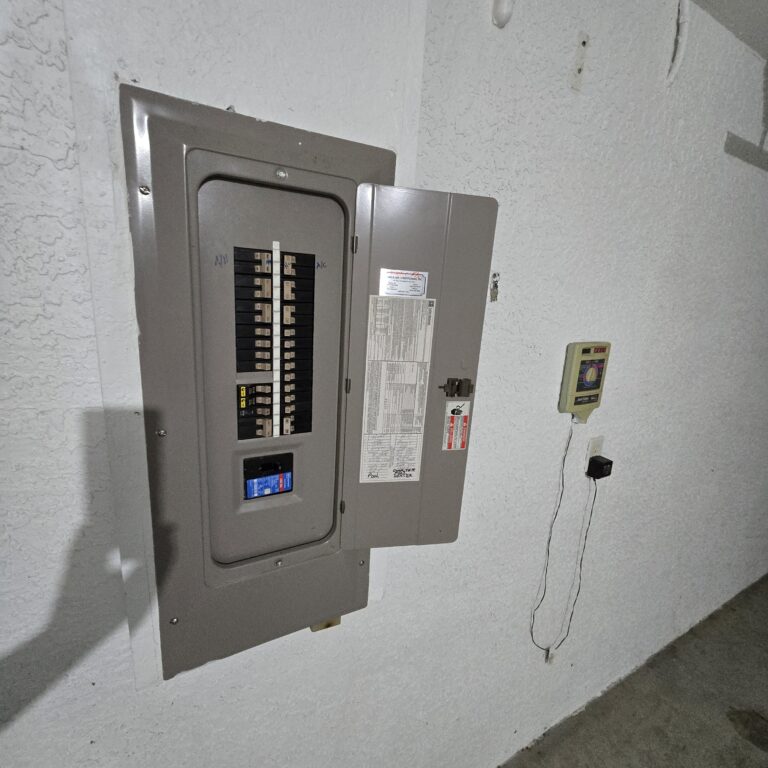
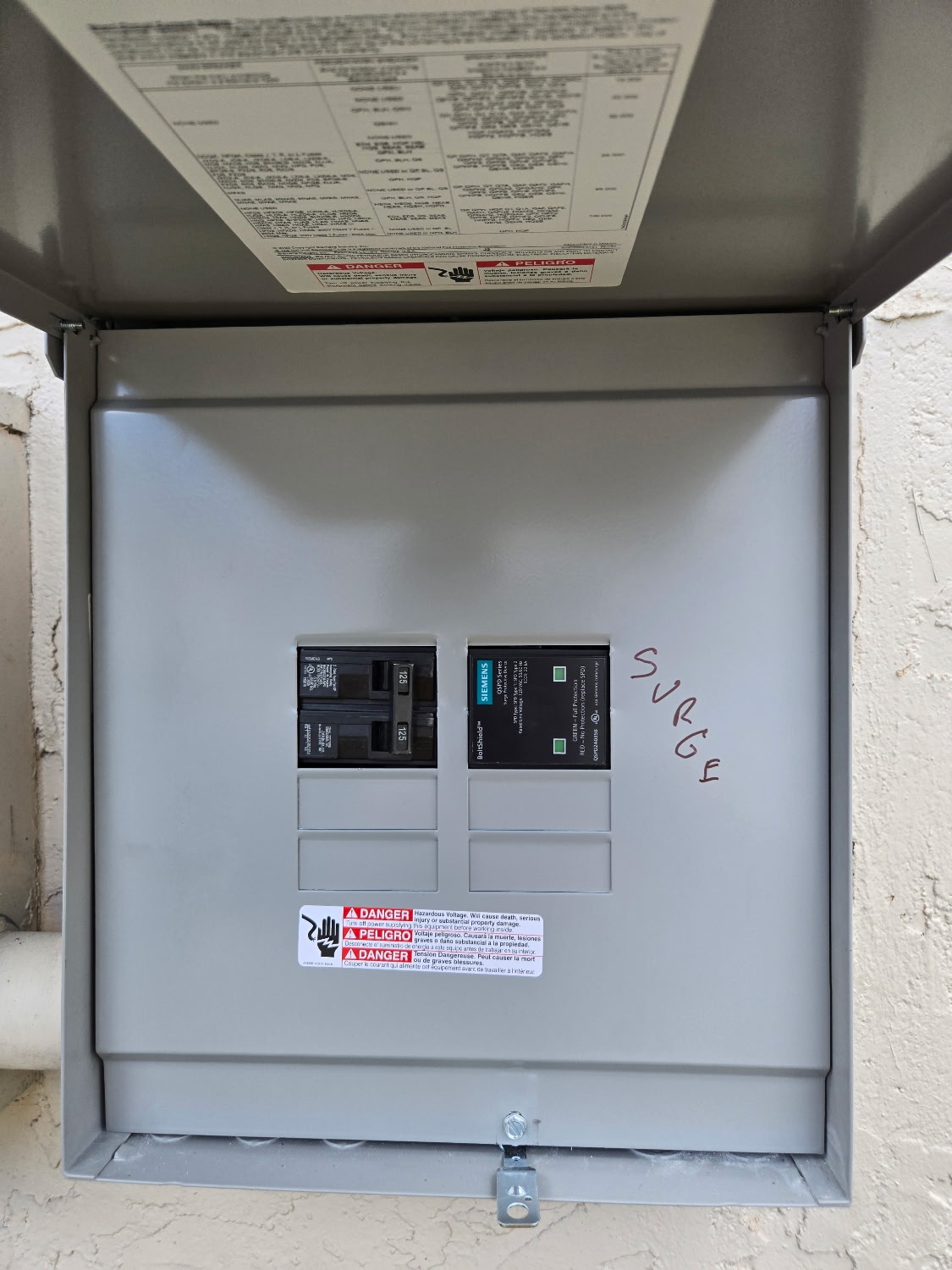
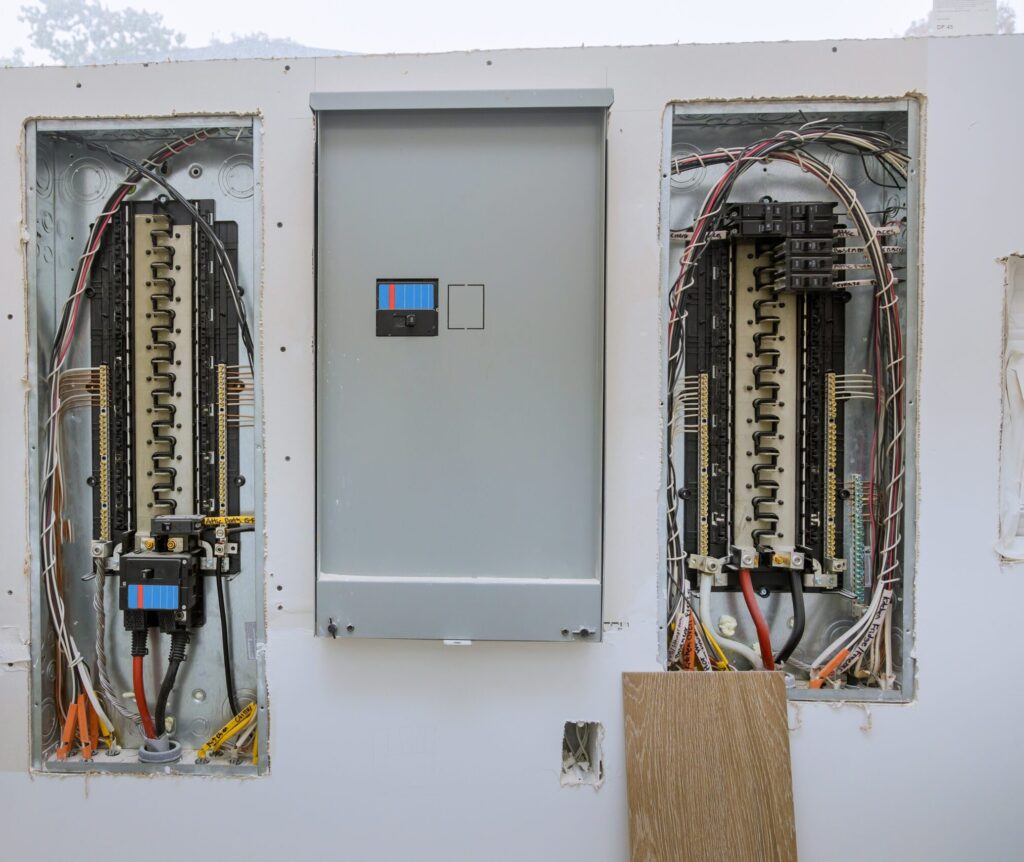
A subpanel functions as an extension of your main electrical panel, taking a single feed of power and distributing it across multiple new circuits. The main panel still receives all incoming utility power, but the subpanel handles the breakers and wiring for a designated section of your property. This setup allows for cleaner organization, easier troubleshooting, and added capacity where you need it most. Subpanels typically range from 60 amps to 125 amps depending on the load they need to support. They contain their own breakers, neutral bus bar, and grounding system, all of which connect back to the main panel through a feeder cable. Knowing how this equipment works gives you a clear picture of why electricians recommend it for certain projects.
How a Subpanel Works to Distribute Electrical Power
The flow of electricity through a subpanel starts at the main panel, where a dedicated double-pole breaker controls the power going to the secondary box. That breaker acts as the main shutoff for the subpanel, allowing technicians to cut power to the entire branch without affecting the rest of the house. From there, a heavy feeder cable runs to the subpanel, often through conduit or buried lines if the panel sits in a detached structure. The feeder cable contains two hot wires, one neutral wire, and one grounding wire, each sized to match the amperage rating of the subpanel. Inside the subpanel, the hot wires connect to the bus bars, which then feed individual circuit breakers for outlets, lights, and appliances. Each circuit operates independently, just like circuits in the main panel.
The neutral and ground connections in a subpanel work differently than in the main panel, which is a critical detail many homeowners overlook. In a subpanel, the neutral bus and the ground bus must remain separated, with the neutral bar isolated from the metal enclosure. This separation prevents dangerous parallel current paths that can cause shocks, equipment damage, or fire hazards. Only the main panel bonds the neutral and ground together, while all downstream panels keep them apart. A licensed electrician knows exactly how to wire these connections to meet National Electrical Code requirements. Improper bonding is one of the most common mistakes found during electrical inspections of homeowner-installed subpanels.
Subpanels also include their own grounding electrode system when installed in a separate building like a detached garage or shed. The grounding rods drive into the earth near the structure and connect to the subpanel’s ground bus through a dedicated grounding electrode conductor. This setup protects against voltage surges, lightning strikes, and stray currents that could otherwise travel back to the main building. Bonding jumpers, equipment grounding conductors, and proper torque on every lug all play a role in keeping the system safe. Need a professional to evaluate your panel setup? Click here for our electrical subpanel repair service. Our team handles every detail of the installation according to code.

How a Subpanel Works to Add Circuit Capacity
Running out of breaker space in your main panel is one of the top reasons homeowners call about a subpanel. Most residential panels hold between 20 and 42 breaker slots, and once those fill up, adding new circuits becomes impossible without modification. A subpanel solves this problem by giving you a fresh set of breaker slots without replacing the entire main panel. The main panel only loses one slot for the double-pole breaker that feeds the subpanel, while the new panel can add another 12 to 24 circuits. This trade is often the most cost-effective way to expand capacity in a home built during the 1970s, 1980s, or 1990s.
Adding circuits through a subpanel also helps balance the electrical load across your home’s wiring system. Modern homes draw far more power than older homes due to electric vehicles, smart appliances, hot tubs, and home offices full of equipment. When too many circuits pull from one section of a panel, you can experience flickering lights, tripped breakers, and warm outlets. Spreading those loads across a subpanel keeps each circuit operating within safe parameters. Electricians use load calculations based on Article 220 of the National Electrical Code to determine how much capacity each circuit needs. A proper calculation ensures the subpanel and its feeder cable are sized correctly for current and future demand.
Capacity planning also matters when you think about appliance upgrades coming down the road. An induction range, a heat pump water heater, or a Level 2 EV charger each pull significant amperage and need dedicated circuits. Putting these heavy loads on a subpanel reduces voltage drop and keeps the main panel free for whole-house functions. Many homeowners in East Canton choose to install a subpanel in the garage specifically to handle EV charging and shop tools. The dedicated panel keeps those high-draw circuits close to where they’re used, which improves efficiency and safety.
How a Subpanel Works in Detached Buildings and Additions
Detached garages, pole barns, workshops, and outbuildings almost always need a subpanel rather than running individual circuits from the main panel. Long runs of wire from the main panel to a detached structure cause significant voltage drop, which weakens the power reaching tools and appliances. A subpanel installed in the detached building shortens the circuit runs and delivers consistent voltage to every outlet and light. The feeder cable does the long-distance work, sized large enough to handle the total load with minimal loss. This setup is the standard approach used by electricians for any structure more than a few feet from the main house.
Home additions also benefit from a subpanel installation, especially when the addition includes a kitchen, bathroom, or laundry area. A new wing of the house can easily add 10 to 20 new circuits, which would overwhelm most existing main panels. Installing a subpanel in the addition gives the new space its own breaker access without requiring drywall removal in finished areas to run dozens of home runs back to the main panel. Electricians can mount the subpanel in a closet, utility room, or basement wall close to the new construction. This approach also makes future service calls easier because all the addition’s circuits are grouped in one place.
Subpanels in detached buildings require some additional safety measures that don’t apply to indoor installations. Outdoor-rated enclosures, weatherproof conduit, and proper burial depths for underground feeder cable all come into play. The 2020 National Electrical Code also requires a disconnecting means at the detached structure, which the subpanel itself usually provides through its main breaker. Grounding electrodes must be driven at the secondary structure to bond the system properly. Looking to power a new garage or pole barn? Click here for our pole barn wiring service. We handle every code requirement so your project passes inspection the first time.
Signs Your Home Needs a Subpanel Installation
Recognizing the warning signs that point to a subpanel installation helps you avoid bigger electrical problems down the road. Many homeowners live with breaker trips, flickering lights, and limited outlet access for years before realizing a simple subpanel could fix everything. Your electrical system sends clear signals when it needs more capacity or better distribution. Paying attention to these signs protects your appliances, your home, and your family from preventable electrical issues. Some signs show up gradually, while others appear suddenly after a major appliance addition. Knowing what to look for puts you ahead of the problem.
Signs Your Home Needs a Subpanel Due to a Full Main Panel
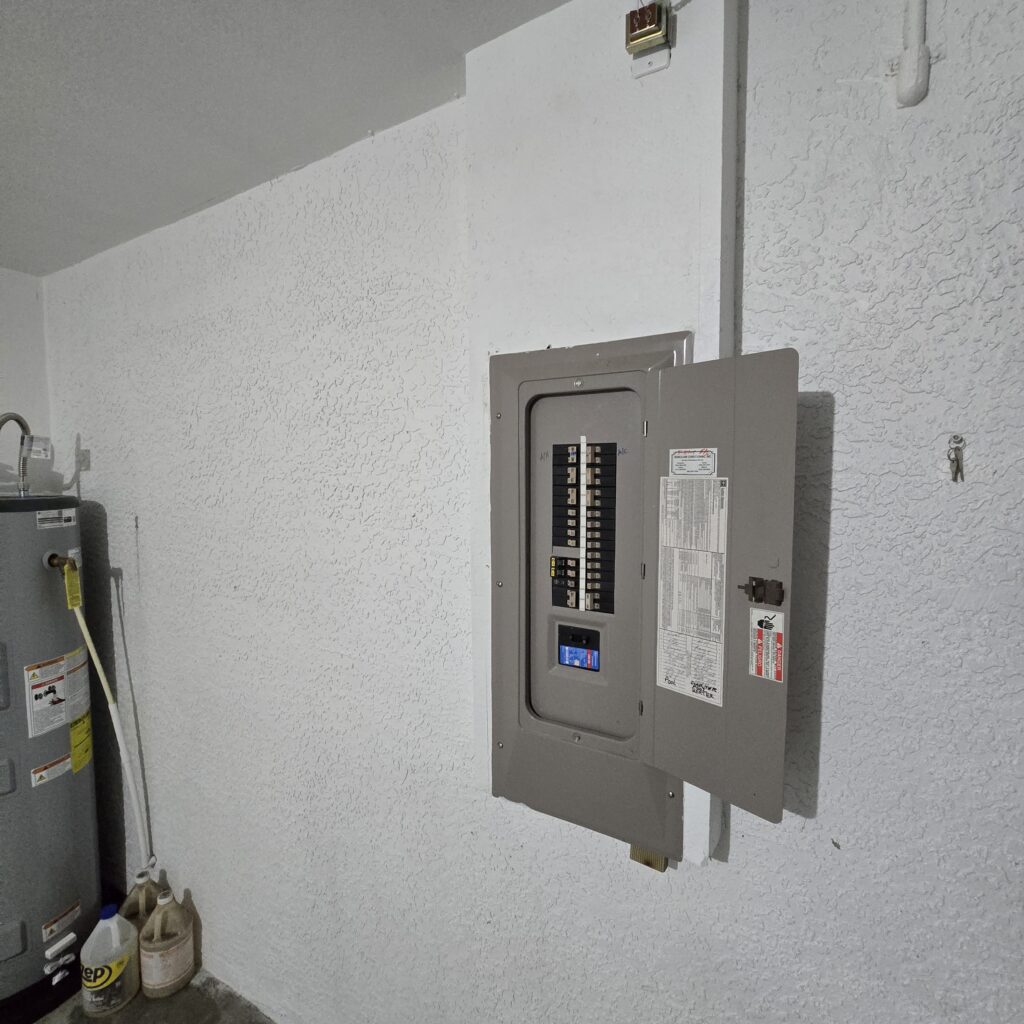
The most obvious sign that you need a subpanel is a main panel with no available breaker slots. Open your panel door and count the empty spaces along the breaker rows; if you see zero or only one slot left, you have very little room to grow. Some electricians install tandem breakers to squeeze extra circuits into existing slots, but this approach has limits and may not meet code in all situations. A panel rated for a certain number of circuits cannot legally exceed that count regardless of how creative the workaround. Once you hit the maximum, a subpanel becomes the practical next step for any future electrical projects.
Older Federal Pacific, Zinsco, and Pushmatic panels present another situation where a subpanel can help, though usually as part of a larger upgrade plan. These vintage panels have known safety issues, and adding a subpanel downstream does not fix the problems with the main panel itself. Many electricians recommend replacing the main panel first, then adding a subpanel for additional capacity if needed. Mixing modern subpanels with outdated main panels creates compatibility issues with grounding, bonding, and breaker availability. A thorough inspection determines the right combination of upgrades for your specific situation.
Double-tapped breakers are another red flag that points toward needing more panel space. Double-tapping happens when two circuit wires connect to a single breaker terminal, which most breakers are not designed to accept. This practice creates loose connections, arcing, and fire risk inside the panel. If an electrician finds double-tapped breakers in your panel, it usually means someone tried to add circuits without adding capacity. Installing a subpanel gives those extra circuits their own proper breakers and eliminates the dangerous shortcut. Need a professional evaluation of your current panel? Click here for our electrical inspection service. We identify hidden hazards before they become emergencies.
Signs Your Home Needs a Subpanel from Frequent Breaker Trips
Breakers that trip on a regular basis often signal that circuits carry more load than they should. A single 15-amp circuit feeding multiple rooms can easily trip when several devices run at once, especially in older homes with limited circuit separation. Adding a subpanel allows electricians to split those overloaded circuits into multiple dedicated lines, reducing the demand on each breaker. The result is fewer interruptions, longer breaker life, and safer operation overall. Constant tripping is also hard on appliances, since voltage fluctuations and sudden shutoffs can damage motors and electronics.
Kitchens are common trouble spots for breaker trips because modern appliances draw far more power than older wiring expected. A microwave, toaster, coffee maker, and refrigerator running together can easily exceed the capacity of a single 20-amp circuit. Code now requires multiple dedicated small-appliance circuits in kitchens, but older homes may have just one or two serving the entire room. A subpanel installed near the kitchen makes it easier to add the required circuits without long wire runs through finished walls. The dedicated circuits keep everything running without nuisance trips during meal prep.
Workshops, garages, and hobby spaces also see frequent breaker trips when power tools share circuits with lights and outlets. A table saw, air compressor, or welder needs its own dedicated circuit to operate safely, and most general-purpose circuits cannot handle the startup current. Installing a subpanel in the garage provides dedicated 20-amp, 30-amp, or even 50-amp circuits for heavy equipment. This setup lets you run multiple tools without worrying about which combination will trip a breaker. The subpanel also keeps your shop electrical system organized and easy to maintain.
Signs Your Home Needs a Subpanel for Major Appliance Additions
Adding a hot tub, pool, or spa to your property almost always requires a new dedicated circuit, and many homeowners discover their main panel cannot support the load. These appliances pull 40 to 60 amps continuously when heating, which is a significant addition to any home’s electrical demand. A subpanel near the outdoor equipment provides a clean power source and meets the code requirements for outdoor disconnects. The shorter circuit run from the subpanel to the appliance also improves performance and reduces voltage drop. This is one of the most common reasons we install subpanels for homeowners in the East Canton area.
Electric vehicle chargers represent another fast-growing reason for subpanel installations. A Level 2 charger needs a 40-amp or 50-amp circuit running continuously for hours at a time, which is the equivalent of adding a second electric range to your home. Many main panels simply do not have the capacity or breaker space for this kind of dedicated load. A subpanel in the garage handles the charger and any other future EV equipment without overloading the main panel. Smart load management systems can also work alongside the subpanel to balance charging with other heavy loads in the home.
Heat pumps, electric furnaces, and tankless electric water heaters also push electrical demand higher than many homes can handle. Each of these appliances needs its own dedicated circuit at 30 to 60 amps depending on the model. Adding two or three such appliances to a home built in the 1980s often requires either a full panel upgrade or a subpanel. Electricians weigh the cost, complexity, and capacity needs to recommend the best path forward. A subpanel installation is often the more affordable choice when the main panel still has enough overall capacity but lacks breaker space.
Why You Need Professional Subpanel Installation in East Canton
Installing a subpanel involves much more than mounting a box and running some wires. The work requires permits, inspections, accurate load calculations, and proper bonding of grounds and neutrals. A licensed electrician brings the training, tools, and code knowledge to do the job right the first time. DIY subpanel installations frequently fail inspection or create hidden hazards that surface years later. Hiring a professional protects your home, your insurance coverage, and your peace of mind.
Why You Need Professional Subpanel Installation for Code Compliance
The National Electrical Code updates every three years, and Ohio adopts these updates with state-specific amendments. Keeping up with the latest requirements is a full-time job for licensed electricians who attend regular training. Subpanel installation rules cover everything from feeder cable sizing to grounding electrode placement to working clearance in front of the panel. Missing even one of these requirements can result in a failed inspection and costly rework. A professional installer knows every rule that applies to your specific project.
Permits and inspections protect homeowners by creating a record that the work was done correctly. Most jurisdictions in Stark County require an electrical permit for any panel work, including subpanel installations. The permit process includes inspections at key points to verify the wiring, grounding, and breaker selection all meet code. Unpermitted work can cause problems when you sell the home, file an insurance claim, or schedule future electrical upgrades. Licensed electricians handle the permit application and inspection scheduling as part of their service.
Code compliance also matters for safety reasons beyond just passing inspection. Every rule in the National Electrical Code exists because of past incidents where people were hurt or property was damaged. Proper feeder cable sizing prevents overheating, correct grounding prevents shocks, and adequate breaker selection prevents fires. A professional installation gives you the protection that the code was designed to provide. Cutting corners on a subpanel installation puts your family at unnecessary risk.
Why You Need Professional Subpanel Installation for Safe Wiring
Working inside an electrical panel exposes the technician to live components that can cause serious injury or death. Even with the main breaker turned off, the lugs where the utility feed enters the panel remain energized. Licensed electricians use personal protective equipment, insulated tools, and proven lockout procedures to stay safe. They also know how to test for live circuits before touching anything inside the panel. This expertise prevents accidents that homeowners attempting DIY work routinely face.
Wire sizing, conduit fill, and connection torque all affect whether a subpanel operates safely over the long term. Undersized feeder cable overheats under load, oversized cable creates connection problems at the lugs, and improper torque on terminals causes arcing and failure. Each connection inside the panel must be made to the manufacturer’s specifications using a calibrated torque screwdriver. Professional electricians carry the right tools and follow the specifications precisely. The result is a subpanel that runs cool, quiet, and safe for decades.
Proper labeling of every breaker and circuit also falls into the safe wiring category. Future electricians, inspectors, and even homeowners need to know which breaker controls which circuit during emergencies. A professional installation includes a complete circuit directory inside the panel door with clear, accurate labels. This documentation saves valuable time during a power problem and helps avoid mistakes during future work. Small details like this separate a quality installation from a rushed one.
Why You Need Professional Subpanel Installation from Gragg Electrical Services
Gragg Electrical Services brings over 20 years of proven local experience to every subpanel installation in East Canton and the surrounding communities. Our team has seen every type of panel, every brand of breaker, and every wiring situation that comes up in Stark County homes. We use that experience to deliver installations that pass inspection, perform reliably, and last for decades. Every job comes with our Lifetime Craftsmanship Guarantee, so you have confidence in the work we leave behind. We treat your home with respect from the moment we arrive until the final cleanup.
Our crews show up on time, communicate clearly, and keep your home clean throughout the project. We protect floors, organize materials, and remove debris before we leave each day. Financing through GreenSky and Turns makes larger projects manageable for any household budget. We walk you through your options before any work begins so there are no surprises along the way. Honest pricing and clear timelines are part of how we do business with every customer.
When you need a subpanel installed correctly the first time, Gragg Electrical Services is the team to call. We handle the permits, the inspections, and every technical detail from start to finish. Our 24/7 emergency services keep us available when unexpected electrical problems strike outside normal hours. Reach out at (330) 488-8009 or email info@graggelectrical.com to schedule your subpanel consultation. Click here for our electrical panel installation service to learn more about how we can power your home for the future.