Why Aluminum Wiring in Older Homes Is a Concern
Aluminum wiring was installed in millions of American homes between the mid 1960s and late 1970s, when copper prices spiked and builders needed a cheaper alternative for branch circuit wiring. Homes built or rewired during that window often still contain this aluminum wiring behind the walls, and many homeowners have no idea it is there. The concern is not that aluminum itself is a bad conductor, because it actually carries electricity well; the real problem is how aluminum behaves at connection points like outlets, switches, and panel terminations. Over time, aluminum expands, contracts, oxidizes, and loosens in ways that copper simply does not, and those changes create resistance, heat, and eventually fire risk. The Consumer Product Safety Commission has reported that homes with aluminum branch wiring are far more likely to reach fire hazard conditions at connections than homes wired with copper. For homeowners in East Canton, North Canton, Massillon, and the surrounding communities, understanding this risk is the first step toward protecting your family and your property. Recognizing aluminum wiring early gives you the chance to address it before a small connection issue becomes a serious electrical emergency.
How to Identify Aluminum Wiring in Older Homes and Why It Matters
Identifying aluminum wiring in an older home starts with knowing when your house was built and what the wiring jacket looks like. Homes constructed between 1965 and 1979 are the most likely candidates, but additions, remodels, and partial rewires from that era can also leave aluminum behind in newer properties. The outer sheathing of aluminum branch wiring is often stamped with the word “ALUMINUM,” “AL,” or “ALUMINUM ACM” along its length, and the conductor itself appears dull silver rather than the warm copper tone most people recognize. Looking at exposed wiring in the basement, attic, or electrical panel can reveal a lot, though only a licensed electrician should remove cover plates or open the panel to perform a thorough check. Some homes use aluminum only for larger feeder lines, which is generally safe and still common today; the concern is specifically with 15-amp and 20-amp branch circuits feeding outlets and switches. A professional electrical inspection is the most reliable way to confirm what you have and where it runs.
Identifying Aluminum Wiring in Older Homes Through Visual Clues
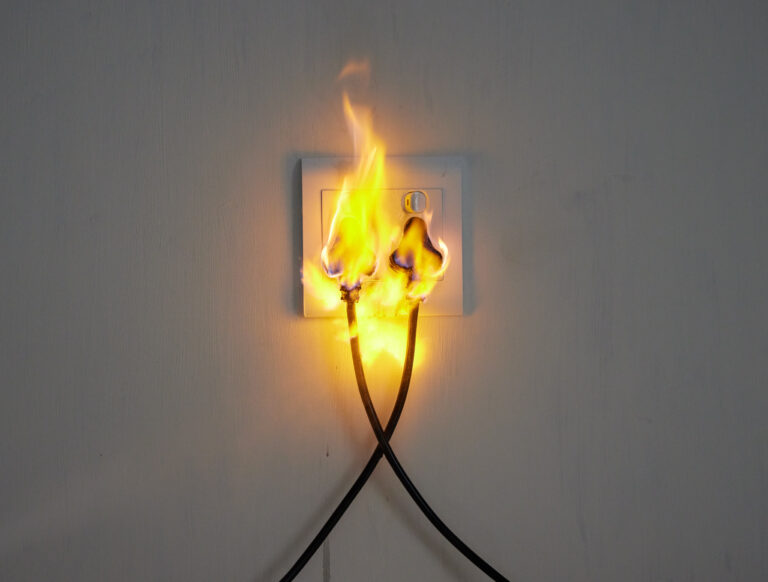
Most homeowners can spot the first signs of aluminum wiring without ever touching a wire, simply by paying attention to how their outlets, switches, and fixtures behave day to day. Warm or discolored outlet covers, flickering lights, the smell of burning plastic near receptacles, and switches that feel hot to the touch are all classic warning signs of failing aluminum connections. You might also notice that certain outlets stop working intermittently, or that breakers trip without an obvious cause like a heavy appliance load. These symptoms point to oxidation and loose terminations where the aluminum meets brass or copper components inside the device. Because aluminum oxidizes when exposed to air, the connection point develops a resistive layer that heats up every time current flows through it. That heat compounds over years and can char the insulation, melt the receptacle, or ignite nearby framing materials.
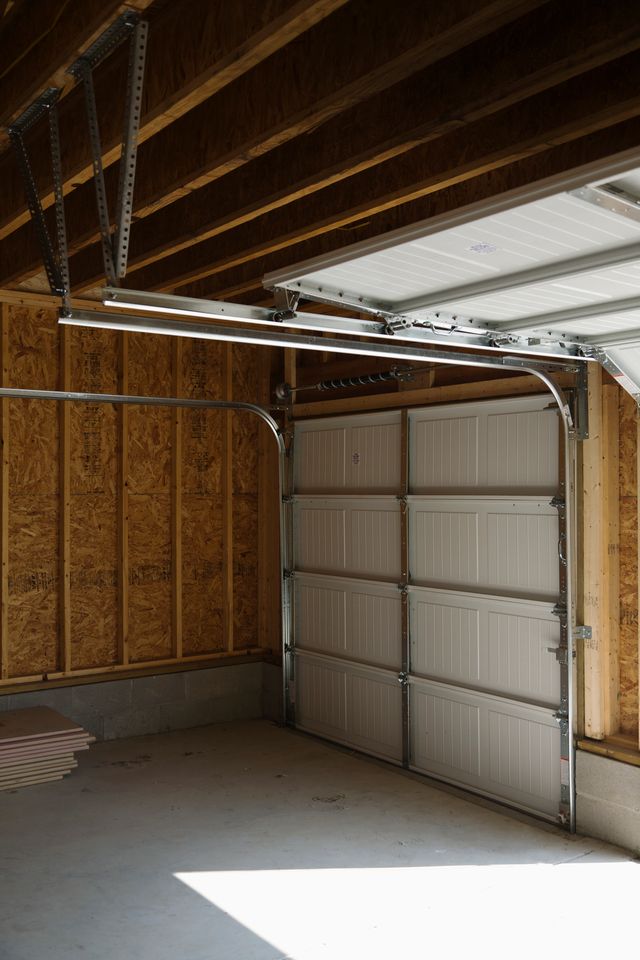
The wiring jacket itself offers the clearest visual confirmation when you can safely see it, such as in an unfinished basement, garage, or attic space where cables run along joists. Aluminum branch wiring from the vintage era usually has a gray or white plastic sheath with printed markings every few feet along the cable. The printed text typically includes the gauge, the voltage rating, and the conductor material, which makes it possible to confirm aluminum without cutting into the jacket. If the markings are faded or painted over, an electrician can carefully strip a small section to expose the bare conductor for a positive identification. A copper conductor will have a distinct reddish orange color, while aluminum will be silver and slightly softer to the touch. Never attempt this stripping yourself, because even a dead circuit can hide energized neighbors in the same box.
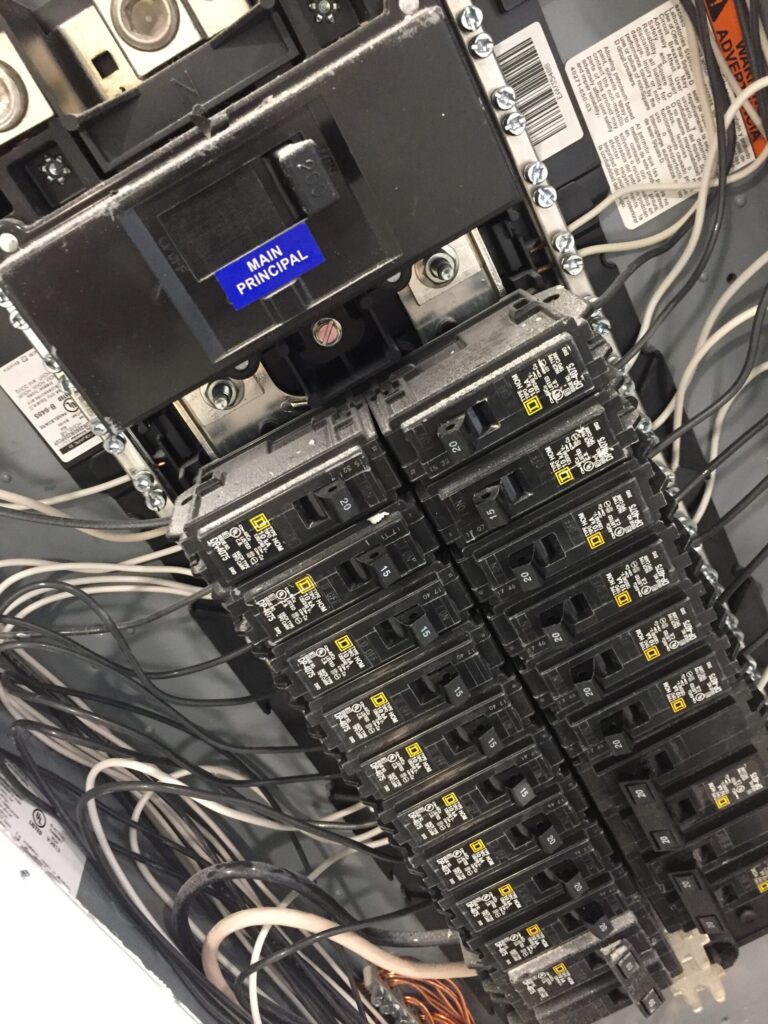
Inside the electrical panel, the story becomes even clearer because every branch circuit terminates at a breaker or neutral bar where the conductor is visible. A qualified electrician opening the panel cover will look at each conductor entering each breaker and identify the metal at a glance. They will also check for signs of past overheating, such as discoloration on the breaker body, melted insulation near the lug, or pitting on the bus bar where the breaker clips in. If your panel was installed during the aluminum era, the panel itself may also be on a watch list, since certain brands from that period have known defects unrelated to the wiring material. Combining a panel inspection with a sampling of outlets and switches throughout the home gives the most complete picture. From there, your electrician can recommend a clear path forward based on what they find rather than guesswork.
Identifying Aluminum Wiring in Older Homes During Real Estate Transactions
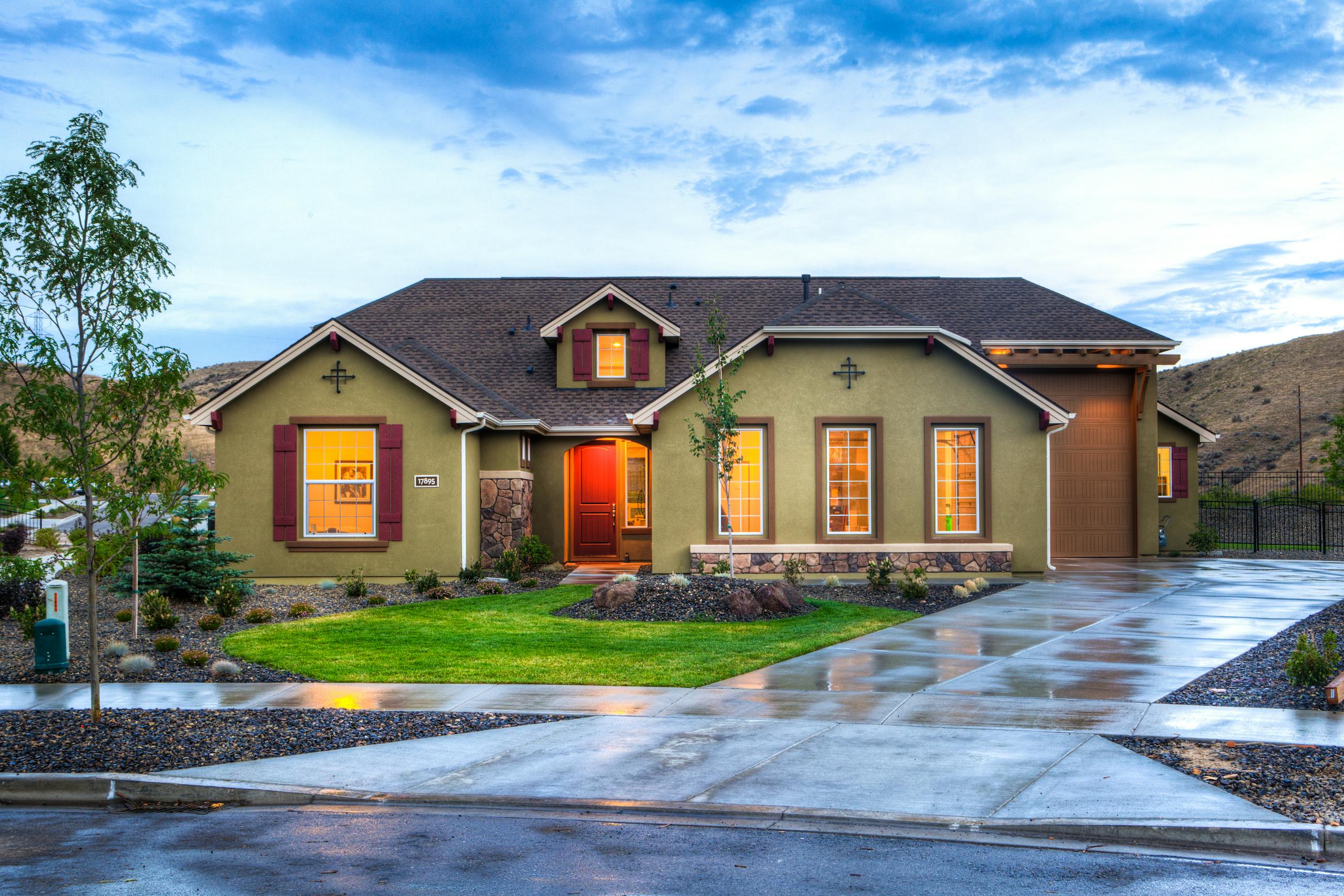
Buying or selling a home built between 1965 and 1979 in Stark County almost always raises the aluminum wiring question, and for good reason. Home inspectors are trained to flag aluminum branch wiring in their reports, and many insurance carriers either refuse to write a policy or charge significantly more when aluminum is present. Buyers who discover aluminum wiring late in the transaction often renegotiate the price or request remediation as a condition of closing. Sellers who address the issue proactively, with documentation from a licensed electrician, tend to close faster and at stronger numbers because they remove a major source of buyer hesitation. A pre listing electrical inspection is one of the smartest investments an older home seller can make, since it turns an unknown into a known with a clear repair path.
Insurance carriers in Ohio have become increasingly strict about aluminum branch wiring over the past decade, and many now require proof of remediation before binding a policy on the home. Acceptable remediation typically includes a full rewire to copper or, more commonly, a professional pigtail repair using approved connectors at every device. Without documentation, homeowners may find themselves dropped from coverage at renewal or unable to switch carriers when rates increase. Keeping detailed records of any electrical work, including permits, invoices, and inspection reports, protects you for years after the work is complete. Buyers should ask for these records before closing and verify that the work was performed by a licensed electrician rather than a handyman. Cutting corners on aluminum remediation creates liability that follows the property forward.
For sellers in East Canton, Louisville, Alliance, and the surrounding areas, addressing aluminum wiring concerns before listing can make the difference between a smooth sale and a stalled one. A licensed electrician can survey the home, identify how much aluminum is present, and provide a written scope of work with pricing. That scope becomes a powerful negotiating tool, because you can either complete the work in advance or offer a credit to the buyer with a known number attached. Need a professional electrical inspection before listing your home? Click here for our electrical inspection service. Getting ahead of the issue shows buyers and their agents that you take the property seriously and have nothing to hide.
Identifying Aluminum Wiring in Older Homes Without Tearing Open Walls
One of the biggest worries homeowners have about an aluminum wiring inspection is the assumption that walls will need to come down to find every run of cable. In reality, a skilled electrician can build a very accurate picture of your wiring system by sampling key locations and following the logic of how homes from that era were typically wired. Outlets, switches, and junction boxes give direct access to conductor ends without any demolition required. The electrical panel reveals where every circuit originates and what feeds it. Attic and basement runs are usually visible along joists, especially in homes with unfinished mechanical spaces. Combining these access points produces a thorough survey while keeping your drywall and trim intact.
Modern diagnostic tools have made aluminum wiring identification even less invasive than it used to be. Infrared thermal cameras can detect hot spots at outlets and switches without removing the cover plate, pointing electricians straight to problem connections. Plug in circuit analyzers verify whether each receptacle is wired correctly and grounded properly, which often surfaces aluminum related issues like high resistance neutrals. Voltage drop testing under load reveals connections that look fine visually but are degrading underneath. These tools turn a guessing game into a measurable inspection with documented results. Homeowners receive a clear report rather than a vague opinion, which makes planning the next steps much easier.
The end goal of an aluminum wiring inspection is not just to confirm the material but to map out the risk and prioritize repairs. Some homes have aluminum on every branch circuit, while others have it on only a few specific runs that were added during a partial remodel. The remediation plan looks very different in those two scenarios, and a thorough inspection is what separates them. A good electrician will walk you through the findings, show you photos of any problem areas, and explain which repairs are urgent versus which can be scheduled over time. That conversation puts you in control of your home rather than leaving you anxious about an invisible threat. Knowledge is the antidote to fear when it comes to older home electrical systems.
Why Aluminum Wiring in Older Homes Creates Fire and Safety Risks
The fundamental issue with aluminum branch wiring comes down to the physical properties of the metal itself and how those properties interact with the brass, copper, and steel components found at every connection point. Aluminum expands and contracts more aggressively than copper as it heats and cools with electrical load, a phenomenon called thermal cycling. Each expansion cycle works the conductor loose under its terminal screw, even when the original installation was perfectly torqued. As the connection loosens, resistance increases, which generates more heat, which accelerates the loosening. This feedback loop is the root cause of most aluminum wiring fires reported by the Consumer Product Safety Commission and fire marshals across the country. Understanding this cycle is what motivates proper remediation rather than ignoring the issue.
Why Aluminum Wiring in Older Homes Causes Overheating at Connections
Every outlet, switch, and light fixture in your home represents a connection point where the branch circuit conductor meets a device terminal made of a different metal. With copper wiring, this dissimilar metal contact is relatively stable because copper resists oxidation and expands at rates compatible with brass and steel terminals. Aluminum behaves differently in three important ways: it oxidizes rapidly when exposed to air, it expands and contracts more than copper, and it is softer and prone to cold flow under pressure. Cold flow means the conductor literally deforms over time under the terminal screw, gradually reducing the contact pressure that keeps the connection tight. As pressure drops, the connection becomes electrically resistive, and resistance under current produces heat according to basic physics.
The aluminum oxide layer that forms on exposed conductor is particularly problematic because it is a poor electrical conductor itself, unlike copper oxide which still passes current reasonably well. When that oxide layer builds up at a terminal screw, the effective contact area shrinks dramatically even though the connection looks perfectly fine from the outside. Current is forced through smaller and smaller metallic contact points, driving temperatures up at exactly the spot where flammable materials like plastic device bodies and paper backed insulation are located. Devices not specifically rated for aluminum compound the problem because they use brass terminals that accelerate galvanic corrosion. This is why receptacles and switches in aluminum wired homes must be replaced with CO/ALR rated devices or properly pigtailed to copper using approved connectors.
Heat at a connection rarely causes an instant fire; it causes a slow degradation that homeowners may never notice until something fails catastrophically. Insulation around the conductor becomes brittle, plastic device bodies discolor and warp, and wood framing behind the box begins to pyrolize, lowering its ignition temperature with every heating cycle. By the time a fire actually starts, the connection may have been failing for years or even decades. This is why proactive remediation matters so much more than reactive repair when aluminum wiring is involved. Waiting for a visible symptom often means waiting until significant damage has already occurred behind the walls. A scheduled electrical repair on a known aluminum connection is always cheaper and safer than an emergency response after the fact.
Why Aluminum Wiring in Older Homes Increases Fire Risk Over Time
The fire risk associated with aluminum branch wiring is not a static condition; it grows worse as the home ages and as electrical loads increase from modern appliances, electronics, and HVAC equipment. Homes built in the 1970s were never designed to handle the electrical demand of today’s smart devices, induction cooktops, EV chargers, mini split heat pumps, and home offices full of computers. Every additional load increases the current flowing through aging aluminum connections, accelerating the thermal cycling that loosens terminations. What was a marginal connection in 1985 becomes a serious hazard by 2026 simply because of how much more electricity flows through it each day. This is why many aluminum wiring fires happen in homes that operated without incident for decades before failing.
Statistical data from the Consumer Product Safety Commission shows that homes with aluminum branch wiring installed before 1972 are roughly 55 times more likely to have at least one connection reach fire hazard conditions compared to copper wired homes. That figure reflects the original installation practices and devices used at the time, which were not optimized for aluminum behavior. Improvements in connector technology and device ratings have reduced the risk in newer installations, but the millions of homes still operating on original 1960s and 1970s aluminum branch wiring remain in the higher risk category. Compounding the problem, many of these homes have had repairs and modifications performed by homeowners or unlicensed workers over the years, often using copper rated devices on aluminum circuits.
The risk profile also varies based on which circuits carry aluminum and how they are used. Kitchen and laundry circuits see heavy continuous loads from appliances and tend to degrade faster than lightly used bedroom circuits. Outdoor circuits feeding pool pumps, hot tubs, and detached structures are exposed to temperature swings that accelerate thermal cycling. Bathroom circuits with hair dryers and space heaters create momentary high current draws that stress connections. Concerned about your older home’s wiring safety? Click here for our emergency electrician service if you smell burning plastic, see scorch marks at outlets, or experience repeated breaker trips. Quick response to warning signs prevents tragedies.
Why Aluminum Wiring in Older Homes Requires Specialized Repair Techniques
Repairing aluminum wiring safely requires materials, tools, and techniques that are completely different from standard copper work, which is why this kind of repair should never be attempted by a homeowner or a general handyman. The two recognized remediation methods endorsed by the Consumer Product Safety Commission are full replacement with copper conductors and the COPALUM crimp pigtail method, with the AlumiConn lug being a widely accepted alternative for many situations. Each method has specific requirements regarding connectors, antioxidant compounds, torque specifications, and device ratings. Skipping any step or substituting unapproved parts reintroduces the very failure modes that make aluminum dangerous in the first place. Proper repair is an investment in long term safety rather than a quick fix.
The pigtail method involves cutting back the aluminum conductor at each device, attaching a short copper “pigtail” conductor using an approved aluminum to copper connector, and then landing the copper end on a standard device. This approach allows homeowners to keep their existing aluminum runs in the walls while eliminating the dissimilar metal connection at every outlet, switch, and fixture. Approved connectors use antioxidant paste and specific crimp or torque specifications to ensure a permanent gas tight connection that resists oxidation and thermal cycling. Performed correctly throughout the entire home, pigtailing brings the fire risk down to levels comparable with all copper installations. Performed incorrectly or partially, it provides false confidence without solving the underlying problem.
Full rewiring to copper remains the gold standard remediation, particularly for homes undergoing major remodels where walls are already open or where the existing electrical service is being upgraded. A complete rewire eliminates aluminum branch wiring entirely and resets the home’s electrical system to modern standards with updated circuit counts, dedicated appliance circuits, and arc fault and ground fault protection where code requires it. The cost is higher than pigtailing, but the long term value to the home and the insurance benefits often justify the investment. Either approach must be performed by a licensed electrician familiar with aluminum specific procedures, materials, and inspection requirements. Cutting corners on this kind of work creates liability that lasts as long as the home stands.
Why You Need a Professional Electrician for Aluminum Wiring Concerns
Aluminum wiring is one of the few electrical issues where the difference between a professional repair and a do it yourself attempt is literally the difference between a safe home and a fire waiting to happen. Licensed electricians who specialize in older home wiring carry the training, tools, materials, and insurance to perform aluminum remediation correctly the first time. They understand the specific connectors approved for aluminum to copper transitions, the torque values required for each terminal type, and the antioxidant compounds that prevent future oxidation. They also know how to spot related issues like outdated panels, missing grounds, and undersized service that often accompany aluminum wiring in homes from the same era. Hiring the right electrician protects your home, your family, and your investment for decades to come.
Why You Need a Professional Electrician for a Safe Aluminum Wiring Assessment
A professional aluminum wiring assessment begins with a conversation about your home’s history, your concerns, and any symptoms you have noticed. From there, the electrician conducts a systematic inspection of the panel, accessible wiring runs, and a representative sample of outlets and switches throughout the home. Documentation is created at every step, including photos of problem areas, notes on circuit conditions, and a written summary of findings. This assessment becomes the foundation for any repair plan and serves as a valuable record for insurance and resale purposes. Skipping this step in favor of jumping straight to repairs almost always results in missed problems or over scoped work.
The assessment also identifies related safety concerns that often appear in homes of the same vintage as aluminum wiring. Outdated electrical panels, missing grounding conductors, ungrounded three prong outlets, and undersized service capacity are all common findings. Addressing these issues alongside aluminum remediation creates a more comprehensive safety upgrade and often qualifies for better insurance terms. A good electrician will prioritize findings by urgency and provide clear pricing for each scope of work. You should never feel pressured into a single all or nothing decision based on a brief walkthrough.
Following the assessment, your electrician should provide a written estimate with line items for each recommended repair and a clear explanation of the methods that will be used. Ready to schedule a thorough evaluation of your home’s electrical system? Click here for our electrical inspection service. Transparency at this stage builds the trust that quality electrical work requires. You should leave the consultation understanding exactly what your home has, what the risks are, and what your options look like.
Why You Need a Professional Electrician for Proper Aluminum Wiring Repair
Proper aluminum wiring repair is far more involved than swapping out outlets and switches, and the consequences of doing it wrong are too severe to leave to chance. A licensed electrician brings the specific connectors, antioxidant compounds, calibrated torque tools, and CO/ALR rated devices required for safe aluminum work. They follow established protocols at every connection point, ensuring that no device is overlooked and that no shortcut is taken. They also pull the necessary permits and arrange for inspection by the local electrical authority, which provides independent verification that the work meets code. This paper trail matters enormously for insurance, resale, and your own peace of mind.
Beyond the technical work itself, professional electricians carry liability insurance and workers compensation coverage that protect you if something goes wrong on the job. They warranty their work, stand behind their materials, and remain available for follow up questions long after the project is complete. Compare that to a handyman or unlicensed worker who may disappear the moment a problem surfaces, leaving you with damaged property and no recourse. The few dollars saved on cheap labor evaporate quickly when an insurance claim is denied because the work was not performed by a licensed contractor. Professional repair is the only repair worth doing when aluminum wiring is involved.
The work itself proceeds methodically, circuit by circuit, with the power off and verified dead at every step. Each device is removed, each conductor is inspected for damage, and each new connection is made using approved methods specific to aluminum. Damaged conductors are addressed with appropriate splice techniques, and devices showing signs of past overheating are replaced rather than reused. The result is a home that looks identical from the outside but operates with dramatically improved safety on the inside. That invisible upgrade is what protects your family every time someone flips a switch.
Why You Need a Professional Electrician From Gragg Electrical Services for Your Aluminum Wiring
Gragg Electrical Services has spent more than 20 years working on homes throughout East Canton, North Canton, Massillon, Louisville, Alliance, Hartville, and the surrounding Stark County communities, and aluminum wiring repair is one of the specialties we take most seriously. Our technicians are trained on the specific procedures, connectors, and devices required for safe aluminum remediation, and we never cut corners on materials or methods. We treat your home with the respect it deserves, keeping work areas clean and explaining every step of the process. Every job we do is backed by our Lifetime Craftsmanship Guarantee, because we stand behind the work we deliver.
We also understand that aluminum wiring repair can feel overwhelming for homeowners who never expected to deal with it, which is why we focus on clear communication from the first phone call through final inspection. You will receive a written assessment with photos, a detailed estimate with line items, and a realistic timeline for completing the work. Financing is available through GreenSky and Turns for homeowners who need to spread the investment over time, making proper remediation accessible rather than out of reach. Our 24/7 emergency service means you are never more than a phone call away from help if something goes wrong with your electrical system. We answer the phone because we care about the people on the other end of the line.
Choosing Gragg Electrical Services means working with a local team that lives and works in the same communities you do, takes pride in doing the job right, and treats every customer like a neighbor. We are not a faceless corporation passing through town; we are your neighbors, and we will be here long after the work is done. Call us today at (330) 488-8009 or email info@graggelectrical.com to schedule your aluminum wiring assessment. Your home deserves the protection that only a professional electrician can provide. We look forward to serving you with the same care and craftsmanship that has earned us the trust of homeowners across the region.