Why Older Two Prong Outlets Should Be Upgraded
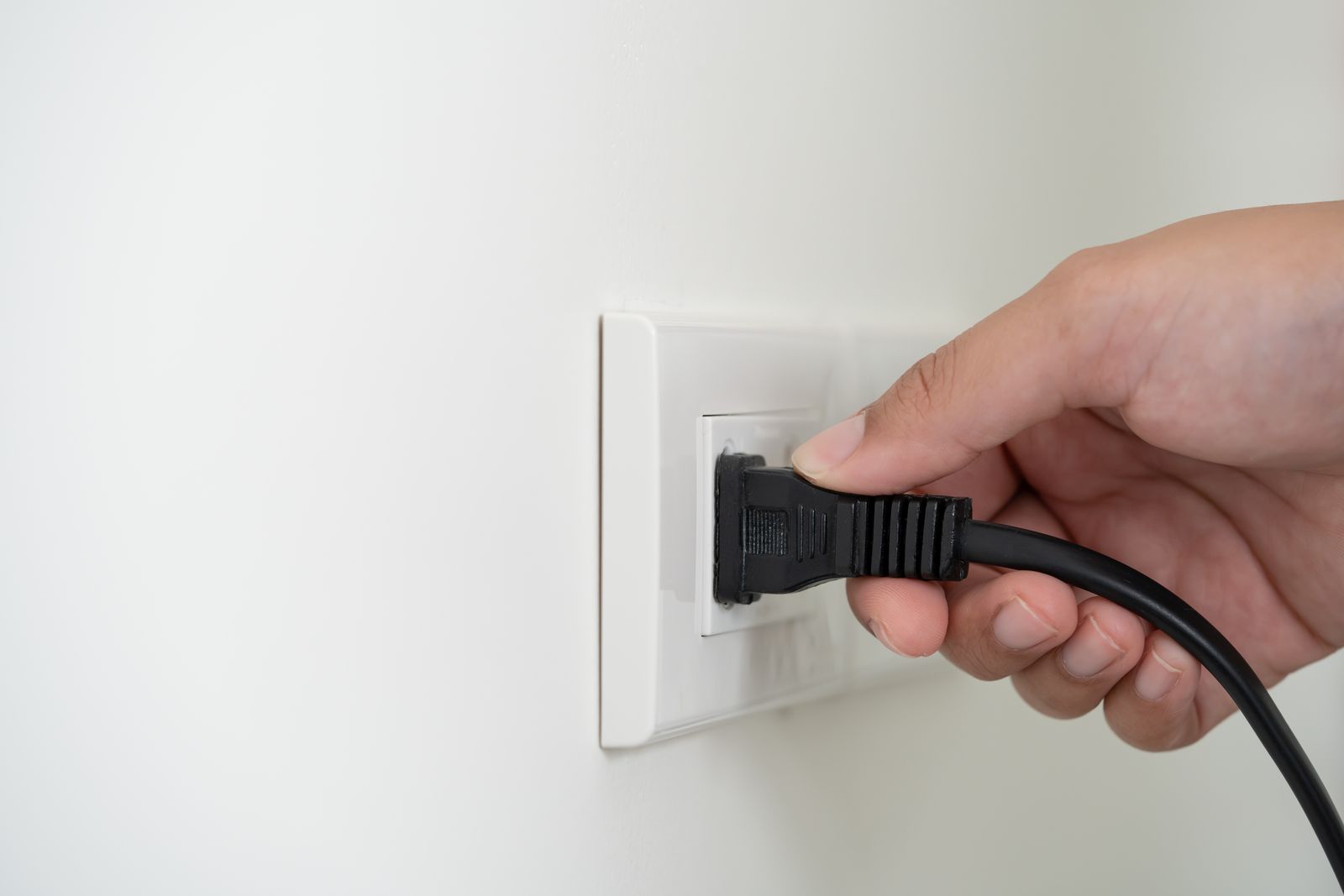
Plenty of homes around East Canton still have outlets with only two slots, and those outlets say something important about the wiring hidden behind the wall. A two prong receptacle has no equipment grounding conductor attached to it, so there is no safe path for stray current to travel when insulation fails inside a tool, a lamp, or an appliance. That missing path is the entire reason grounded receptacles became the standard in the first place. Houses wired before the early 1960s were almost always built with ungrounded branch circuits, and a surprising number of those circuits are still in daily service across Stark County. Fall is when the demand on that old wiring climbs sharply, because space heaters come out of storage, holiday lighting goes up, and families spend far more hours indoors running televisions, computers, and kitchen appliances. Upgrading two prong outlets is not a cosmetic project, and it is not something to postpone until a remodel someday happens; it is a safety correction that protects the people in the house, the electronics they own, and the structure itself. This guide walks through what the real risk is, what the National Electrical Code actually permits, and how a licensed electrician corrects the problem the right way.
What Two Prong Outlets Mean for Home Electrical Safety
Two prong outlets are not simply an older style of receptacle. They are the visible end of a branch circuit that was installed without a grounding conductor, which changes how that circuit behaves the moment something goes wrong. Modern appliances, power tools, and electronics were designed with the assumption that a ground path exists and will carry fault current back to the panel fast enough to trip a breaker. When that assumption is false, the fault current looks for another route, and sometimes that route is a person standing on a damp basement floor. Ohio homeowners often discover the issue during a real estate transaction or an insurance review, though the safer approach is to address it long before either one forces the conversation. Understanding the specific hazards makes it much easier to see why an upgrade is worth scheduling now.
How Two Prong Outlets Create Shock Hazards in Older Homes
The grounding conductor in a modern circuit does one job, and it does it very well. It bonds the metal housing of a device to the electrical panel so that a hot conductor touching that housing creates an immediate short circuit and forces the breaker or fuse to open. Without that conductor, a failure inside a metal bodied drill, a window air conditioner, or an older refrigerator can energize the entire chassis while the appliance keeps running as though nothing happened. The metal stays live and quiet, waiting for someone to touch it. If that person is also touching a plumbing fixture, a metal duct, or a concrete floor, their body completes the circuit instead. Damp locations make the outcome far worse, which is why basements, garages, kitchens, laundry rooms, and workshops deserve the most attention in an ungrounded house. A shock in that situation is not a startling tingle, and treating it as a minor annoyance is how serious injuries happen.
Homeowners frequently work around the problem in ways that quietly make it more dangerous. The cheater adapter is the most common example, a small gray plug that accepts a three prong cord and reduces it to two blades. That adapter has a metal tab or a green wire meant to be secured to a grounded receptacle screw, and in an ungrounded box that screw connects to nothing useful at all. The adapter defeats the safety feature and delivers no protection whatsoever. Another frequent workaround is worse still, because someone simply replaces the two prong outlet with a three prong outlet and leaves the wiring untouched. The receptacle now accepts grounded cords, the house looks current, and every appliance plugged into it is silently unprotected. The National Electrical Code prohibits that swap for exactly this reason, and home inspectors flag it constantly.
Age compounds all of it. Wiring methods from the 1920s through the 1950s used rubber and cloth insulation that hardens, cracks, and crumbles after decades of heat cycling. Knob and tube wiring, still present in some East Canton area homes, has no ground and no cable jacket, and it was never designed for the connected load a modern household places on it. Splices in old systems were sometimes made outside of a junction box or wrapped in friction tape that has long since dried out. Every one of those conditions raises the odds of a fault, and the ungrounded circuit removes the safety net that would normally catch it. Rodent activity, past do it yourself repairs, and decades of furniture pushed against outlets add even more variables. When you combine deteriorating insulation with no ground path, the risk is no longer theoretical.
Why Two Prong Outlets Put Electronics and Appliances at Risk
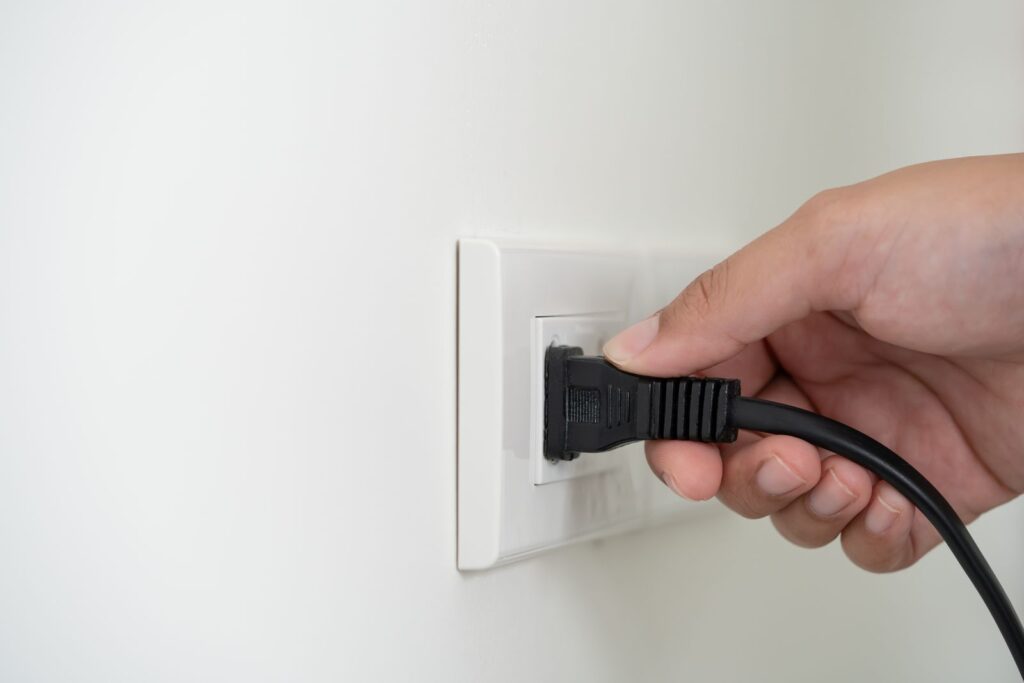
Grounding protects equipment as thoroughly as it protects people, and that side of the story gets far less attention. Surge protective devices, including the power strips sold at every hardware store, work by diverting excess voltage away from the connected equipment and into the grounding system. No ground means nowhere to divert it. A surge strip plugged into an ungrounded outlet may still light its indicator, yet the clamping components inside have no reference point to shunt energy toward, so the protection it advertises never materializes. Homeowners plug expensive televisions, gaming systems, and home office equipment into those strips believing they are covered. Northeast Ohio sees plenty of summer storms and winter ice events that push voltage transients onto the utility line, and every one of those events tests the assumption. The equipment usually loses.
Sensitive electronics also rely on the ground reference for stable operation, not only for surge diversion. Computers, network gear, audio equipment, and modern appliance control boards use the equipment ground as a drain for electrical noise and static. Without it, users report unexplained hum in audio systems, intermittent lockups on desktop computers, static discharge when touching a metal case, and control boards that fail years earlier than they should. Manufacturers rarely honor a warranty claim on a unit that was installed on an ungrounded circuit, and the fine print in most appliance manuals says so directly. That turns a wiring shortcut into a repeated replacement expense. Refrigerators, furnaces with electronic ignition, and heat pumps all fall into this group. A single control board replacement often costs more than upgrading several outlets.
There is a fire dimension as well, and it deserves its own mention. Arcing faults develop when conductors are damaged, connections loosen, or insulation breaks down, and they generate localized heat well above what wood framing tolerates. Grounded circuits paired with modern arc fault protection catch many of those conditions before they ignite anything. Ungrounded circuits in older homes usually have neither feature, and the original fuse or breaker only responds to a sustained overload or a dead short. Loose backstab connections behind an aging receptacle, which are extremely common in older work, heat up gradually and char the device body long before anything trips. Once the plastic starts to fail, the fault escalates quickly. Upgrading the outlet and the circuit protection together removes several of those failure points at once.
The Hidden Wiring Problems Behind Two Prong Outlets
What an electrician finds inside the box often tells a longer story than the outlet itself. Some ungrounded circuits were run in metal armored cable or metal conduit, and in those systems the metal raceway may already qualify as an equipment grounding conductor if it is continuous and properly connected. Others were run in early nonmetallic cable with only two conductors and no ground wire at all. A few are knob and tube, where the hot and neutral run separately through porcelain supports with open air between them. Each of these methods calls for a different repair strategy, and no one can tell which one is present by looking at the faceplate. That is exactly why testing comes before quoting. A three light tester on its own is not enough, since it cannot distinguish a genuine ground from a bootleg jumper installed decades ago.
Bootleg grounds are one of the most dangerous discoveries in older homes. Someone installs a three prong receptacle on an ungrounded circuit and runs a short jumper from the neutral terminal to the ground terminal, which makes an inexpensive tester read as correctly wired. The receptacle now appears safe and is anything but. Under that arrangement, normal current flows on the grounding path, and any break in the neutral upstream energizes the ground pin of every device plugged in. Appliance cases become live under conditions that give no warning at all. Testers designed for the job, including those that measure impedance and check for reversed polarity conditions, are the only reliable way to identify the problem. An electrician who finds a bootleg ground will always correct it rather than leave it in place.
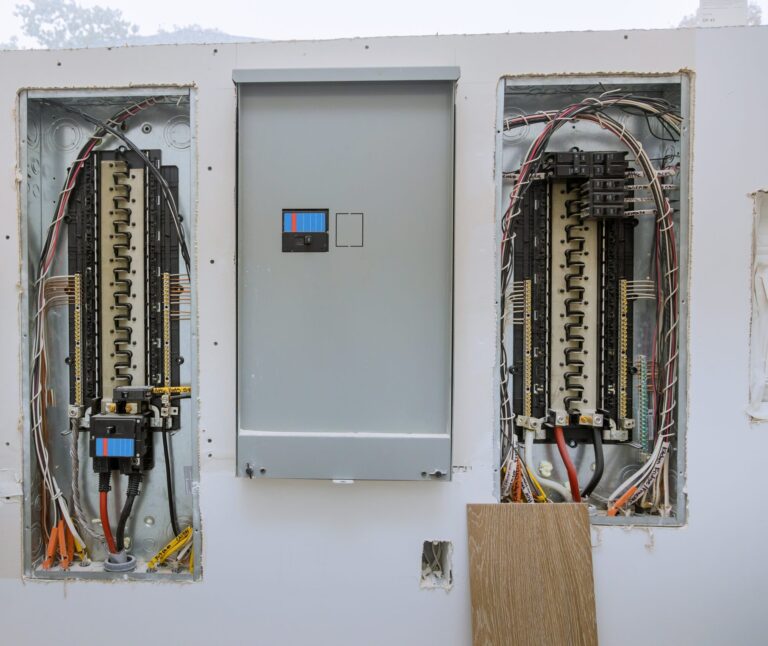
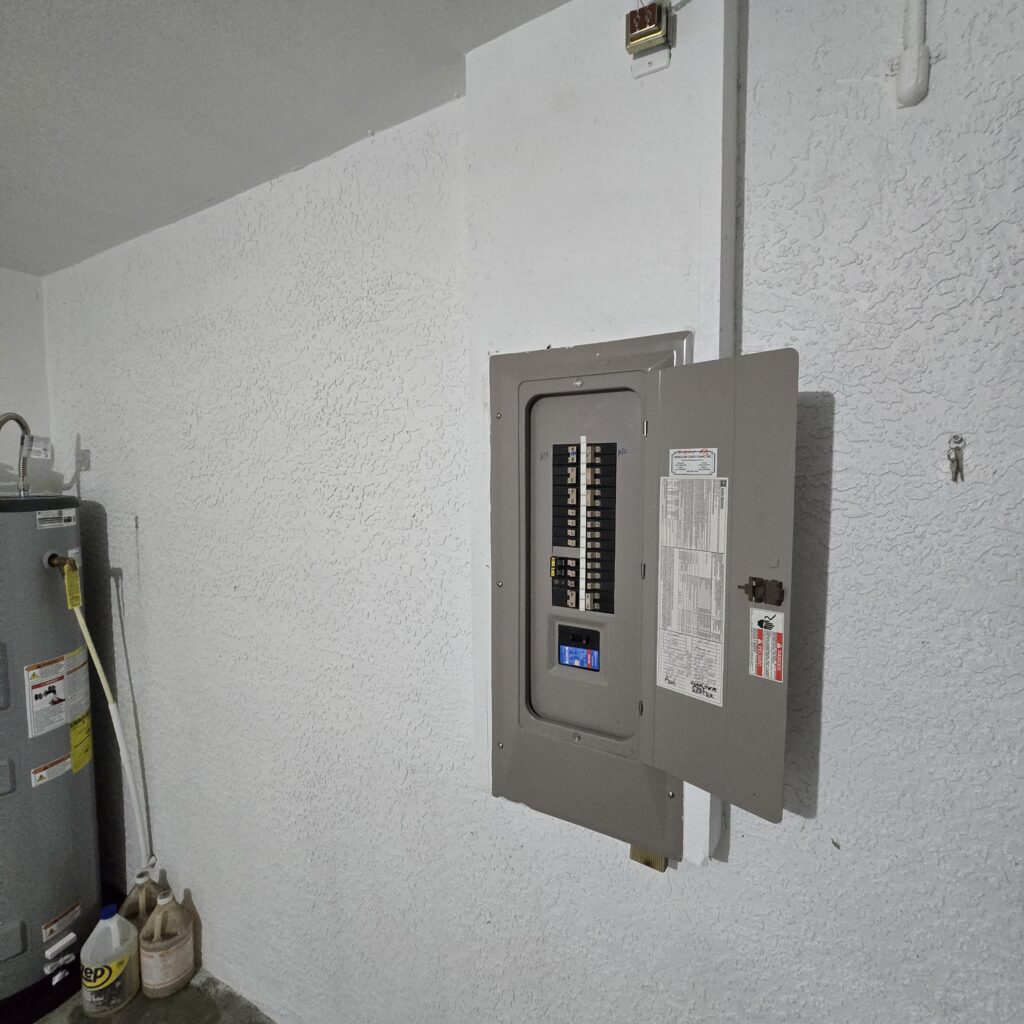
Panel condition is the other half of the picture, and it usually surfaces during the same visit. Homes with two prong outlets frequently still have a 60 amp service, an original fuse panel, or an early breaker panel from a manufacturer with a documented failure history. Some of those panels have breakers that fail to trip under fault conditions, which removes the last layer of protection an ungrounded circuit has. Grounding electrode systems in older homes were often a single connection to a metal water pipe that has since been replaced with plastic during a plumbing repair. In that scenario, the entire house lost its connection to earth without anyone noticing. Any serious outlet upgrade includes verifying the service, the grounding electrode system, and the bonding at the water and gas piping. Fixing receptacles while ignoring an unsafe panel solves only part of the problem. Concerned about the wiring behind your outlets? Click here for our electrical inspection service.
How to Upgrade Two Prong Outlets the Right Way
There is more than one code compliant way to correct an ungrounded receptacle, and the right choice depends on what the existing wiring allows. The National Electrical Code addresses this directly in the section covering receptacle replacements, and it gives licensed electricians three legitimate paths. Cost, the layout of the home, and the condition of the branch circuit all influence which path makes sense. What the code never permits is installing a standard grounding type receptacle on an ungrounded circuit with no additional protection. Understanding the approved options helps homeowners ask better questions and recognize shortcuts when they are proposed. It also explains why two quotes for the same address can look very different.
Code Approved Options for Upgrading Two Prong Outlets
The first permitted option is the simplest one, which is replacing the old two prong device with another two prong device of the same configuration. That keeps the receptacle honest, because a two slot outlet visually signals that no ground is present and discourages people from plugging in grounded equipment. It corrects nothing about the circuit, though it does replace a receptacle whose contacts have likely lost tension after fifty or more years. Loose contacts cause heat, and heat causes failure, so even this minimal option has value. Most homeowners find it unsatisfying, since modern cords simply will not fit. It is best viewed as a stopgap rather than an upgrade.
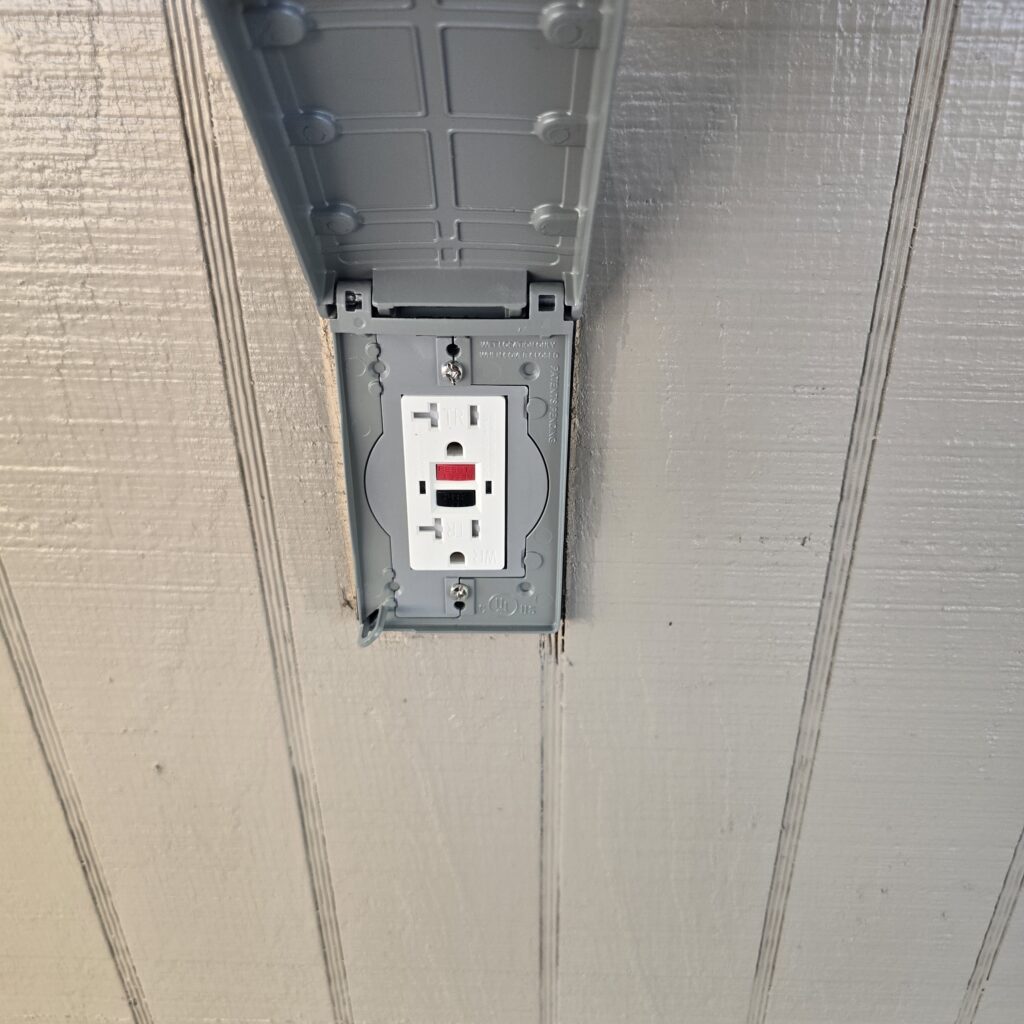
The second option involves installing a ground fault circuit interrupter receptacle in place of the two prong device. A GFCI monitors the current leaving on the hot conductor against the current returning on the neutral, and it opens the circuit when it detects a difference of roughly five milliamps. That imbalance is what happens when current escapes through a person or through a fault to earth, and the device responds in a fraction of a second. Because the GFCI does not require a ground to function, the code permits this replacement on ungrounded circuits when the receptacle is marked with the required label indicating there is no equipment ground. Downstream receptacles fed from the load side of that GFCI can be grounding type devices as well, provided they carry both the GFCI protected label and the no equipment ground label. This approach delivers real shock protection at a reasonable cost, and it is the most common practical solution for older homes. Need GFCI protection installed correctly? Click here for our GFCI outlet installation service.
The important limitation deserves emphasis, because it is frequently glossed over. A GFCI protects people, and it does not create an equipment ground. Surge protection still will not work, electronic noise still has nowhere to drain, and appliance manufacturers still consider the installation ungrounded. The labels required by code exist precisely so future occupants and future electricians understand what is actually behind the wall. Some homeowners choose GFCI protection now and plan for full rewiring later, which is a reasonable and honest sequence. The problem arises only when someone presents GFCI replacement as equivalent to a true grounded circuit. A licensed electrician will explain the difference plainly and let you decide with accurate information.
Running New Grounded Circuits to Replace Two Prong Outlets
The third option, and the one that actually solves the underlying problem, is establishing a real equipment grounding path. In some homes an electrician can extend a separate equipment grounding conductor to the receptacle, landing it at the grounding electrode system, the grounding electrode conductor, or the equipment grounding bar in the panel that supplies that branch circuit. The code allows this specific method for receptacle replacements, and it can be very effective in accessible areas such as basements with open joists. Where the existing wiring is metal conduit or armored cable with continuity confirmed by testing, that metal enclosure may already serve the purpose once the receptacle is properly bonded to the box. Verification matters here, since decades of corrosion or a single missing connector can break continuity. An electrician tests rather than assumes.
Full rewiring is the complete answer, and it is the right call when the existing conductors are deteriorated, undersized, or knob and tube. New nonmetallic cable with an equipment grounding conductor gives every receptacle a genuine ground, supports modern loads, and allows arc fault and ground fault protection to work as designed. The work often follows a room by room sequence so families can stay in the home during the project. Accessible attics, basements, and closets reduce the amount of drywall that has to be opened, and skilled fishing techniques keep patching to a minimum. Kitchens, laundry areas, and bathrooms typically get dedicated circuits at the same time, which resolves the tripping and dimming complaints that older homes generate constantly. The result is a system rated for how people actually live now. Planning a rewire or a circuit addition? Click here for our electrical wiring service.
Modern code requirements come along with the upgrade, and they are worth knowing in advance. When receptacles are replaced in the living areas covered by the arc fault provisions, the code requires arc fault protection for those replacements. Tamper resistant receptacles are required in dwelling unit locations as well, which is a meaningful improvement in any home with small children. Kitchens, bathrooms, laundry areas, garages, unfinished basements, and outdoor locations carry ground fault requirements based on where the receptacle sits. A grounded circuit is also the foundation that whole house surge protection depends on, since a surge device needs a low impedance path to do its job. Permits and inspection through the local jurisdiction protect the homeowner by putting a second set of eyes on the work. Reputable contractors pull them without being asked.
What an Electrical Inspection Reveals About Two Prong Outlets
A thorough evaluation starts at the service equipment and works outward, because the panel determines what every circuit downstream can safely do. An electrician checks the service size, the condition of the busbars and breakers, the presence and integrity of the grounding electrode system, and the bonding of metal water and gas piping. Older homes very often show a grounding electrode connection made to a water line that has since been partially replaced with plastic, which severs the path entirely. Ground rods may be missing, corroded, or never installed in the first place. Any of those findings changes the scope of an outlet upgrade significantly. Correcting the grounding electrode system is foundational work, and skipping it undermines everything done at the receptacle level.
At each outlet, testing goes well beyond plugging in a three light tester. An electrician verifies polarity, checks for bootleg grounds, measures continuity where metal wiring methods are present, and inspects the box, the conductors, and the device terminations for heat damage. Backstab connections, painted over receptacles, undersized boxes, and open splices all turn up regularly in older homes. Receptacles that no longer grip a plug firmly are replaced regardless of the grounding decision, since loose contacts generate heat under load. Notes from each location build a map of which circuits share which paths, which is essential for planning GFCI coverage. Guessing at circuit layout leads to protection gaps that nobody discovers until something fails.
The written findings give the homeowner something practical to act on. A good report separates urgent safety corrections from planned improvements and gives a realistic sense of what each item involves. That distinction matters for budgeting, especially in a home that needs a service upgrade along with grounding work. It also matters for real estate, since documented professional work carries far more weight than a seller assurance that everything is fine. Insurance carriers in Ohio increasingly ask about wiring type and panel manufacturer, and having current documentation makes those conversations simple. Correcting the grounding system properly protects both the household and the resale value of the property.
Why You Need a Licensed Electrician to Upgrade Two Prong Outlets
Outlet work looks straightforward from the outside, and that appearance is exactly what makes ungrounded circuits so hazardous to guess at. Determining which code option applies, confirming continuity in metal wiring, identifying bootleg grounds, and mapping downstream protection all require test equipment and training. A licensed electrician also carries responsibility for the result, pulls the required permits, and stands behind the work in writing. Gragg Electrical Services has been correcting older wiring throughout East Canton, Canton, Louisville, North Canton, Hartville, and the surrounding communities for more than twenty years. Fall is the right time to schedule, before heating season and holiday lighting stack additional load onto circuits that were never built for it.
Scheduling Your Two Prong Outlet Upgrade Before the Holiday Season
Demand on household circuits changes noticeably once the weather turns. Space heaters draw close to 1,500 watts each and run for hours at a time, which is enough to load a 15 amp circuit almost to its limit by itself. Holiday lighting, kitchen appliances running for large meals, and extended indoor use of electronics all arrive within the same few weeks. Old ungrounded circuits handle that combination poorly, and the complaints follow a predictable pattern of warm outlets, tripping breakers, and dimming lights. Getting the work done in September or October means the system is ready before any of that starts.
Scheduling ahead also produces a better project. There is time to test thoroughly, discuss the options honestly, and sequence the work in a way that fits the household rather than rushing it. Material can be ordered, permits can be pulled, and inspection can be arranged without pressure. Homeowners who wait until something fails end up making decisions on a timeline that suits nobody. An emergency call in January costs more and offers fewer choices.
Financing is available when the scope reaches beyond a few receptacles, which is common in homes that also need a service upgrade. Gragg Electrical Services offers financing through GreenSky and Turns so families can address safety work without postponing it for another year. Spreading the cost keeps a necessary correction from turning into a deferred one. Many households handle grounding and panel work together for exactly that reason. Planning an upgrade to the panel as well? Click here for our electrical panel upgrade service.
What to Expect During a Two Prong Outlet Upgrade
The visit begins with testing and a walkthrough rather than a sales pitch. An electrician evaluates the panel, the grounding electrode system, and a representative sample of receptacles throughout the home, then explains what the wiring actually is. Homeowners hear the specific options that apply to their house, with the tradeoffs of each stated plainly. Pricing is presented before any work begins, so there are no surprises once the walls are open. Questions are welcome at every stage.
The work itself is done cleanly and with respect for the home. Drop cloths go down, dust is contained, and power interruptions are coordinated so the household knows what to expect and when. Crews from Gragg Electrical Services arrive in uniform, keep the work area tidy, and clean up completely before leaving. Fishing new circuits through finished walls is done with the smallest openings the job allows. Anything that has to be opened is documented and discussed in advance.
Every receptacle is tested after installation, and labeling is applied where the code requires it. GFCI devices are verified with a tester rather than only the button on the face, since the button confirms the mechanism and not the wiring. Circuit directories are updated so the panel reflects reality instead of forty year old pencil marks. Permit inspection is scheduled where the jurisdiction requires it. The homeowner receives documentation of what was done and what remains for a future phase.
Why Choose Gragg Electrical Services for Two Prong Outlet Upgrades
Gragg Electrical Services brings more than twenty years of proven local experience to older homes throughout Stark County and the surrounding area. Ungrounded wiring, aging panels, and knob and tube systems are familiar territory rather than an occasional surprise. That experience shows up in accurate diagnosis, realistic scoping, and work that passes inspection the first time. Every job is backed by a Lifetime Craftsmanship Guarantee. Local roots mean accountability that a distant call center cannot offer.
Emergency service is available around the clock, which matters when an old circuit fails on a cold night or a holiday weekend. Burning smells, warm outlets, repeated breaker trips, and sparking devices all warrant an immediate call rather than a wait until Monday. Crews are respectful, clean, and professional in every home they enter. Straight answers come standard, including the answer that a smaller repair will serve you better than a larger one. Trust is built one honest recommendation at a time.
Getting started takes one phone call. Reach Gragg Electrical Services at (330) 488-8009 or send a message to info@graggelectrical.com to schedule an evaluation of your outlets, your grounding system, and your panel. The shop is located at 333 Cedar St S, East Canton, OH 44730, and the service area covers Canton, North Canton, Louisville, Hartville, Massillon, Green, Uniontown, Minerva, Alliance, Navarre, Canal Fulton, Carrollton, and the surrounding townships. Ungrounded outlets are a solvable problem, and solving them before winter is the smartest move a homeowner with an older house can make. Call today and get it handled properly.