Are Your Outlets Childproof? Here’s Why They Should Be
Parents in East Canton go to great lengths to secure their homes for their young children. We install safety gates at the top of stairs. We place locks on cabinets containing cleaning supplies. We anchor heavy furniture to the walls to prevent tipping. These are visible, obvious steps we take to create a safe environment for our families. However, one of the most significant hazards in the home is often overlooked or addressed with inadequate measures. The standard electrical outlet sits just inches from the floor, right at eye level for a crawling infant or a curious toddler.
To a young child, a wall outlet is fascinating. It looks like a face, and it is often located in accessible areas where they play. This curiosity can lead to tragic consequences. Every year, thousands of children in the United States are treated in emergency rooms for injuries related to electrical receptacles. These injuries range from severe burns to cardiac arrest caused by electric shock. While many parents rely on plastic outlet plugs as a solution, these simple devices are far from a fail safe measure. True safety requires a permanent, structural change to the device itself. Upgrading to tamper resistant receptacles is the only way to ensure your electrical system provides genuine protection for the most vulnerable members of your household.
The Hidden Danger in Plain Sight
The standard electrical outlet found in most older homes is an open invitation to danger. It consists of two vertical slots designed to receive a plug. There is no barrier between the outside world and the live electricity waiting inside. The voltage in a standard residential outlet is 120 volts. This is enough power to cause severe injury or death. A child does not understand the concept of electricity. They only understand cause and effect, and their primary way of exploring the world is through touch and manipulation of objects.
Children often mimic the actions of adults. They watch you plug in a vacuum cleaner or a phone charger, and they attempt to do the same. The danger arises because they do not use a safe, insulated plug. Instead, they often use whatever object is at hand. Keys, paper clips, hairpins, and small toys are commonly inserted into the slots of an outlet. Because these objects are metal, they conduct electricity instantly.
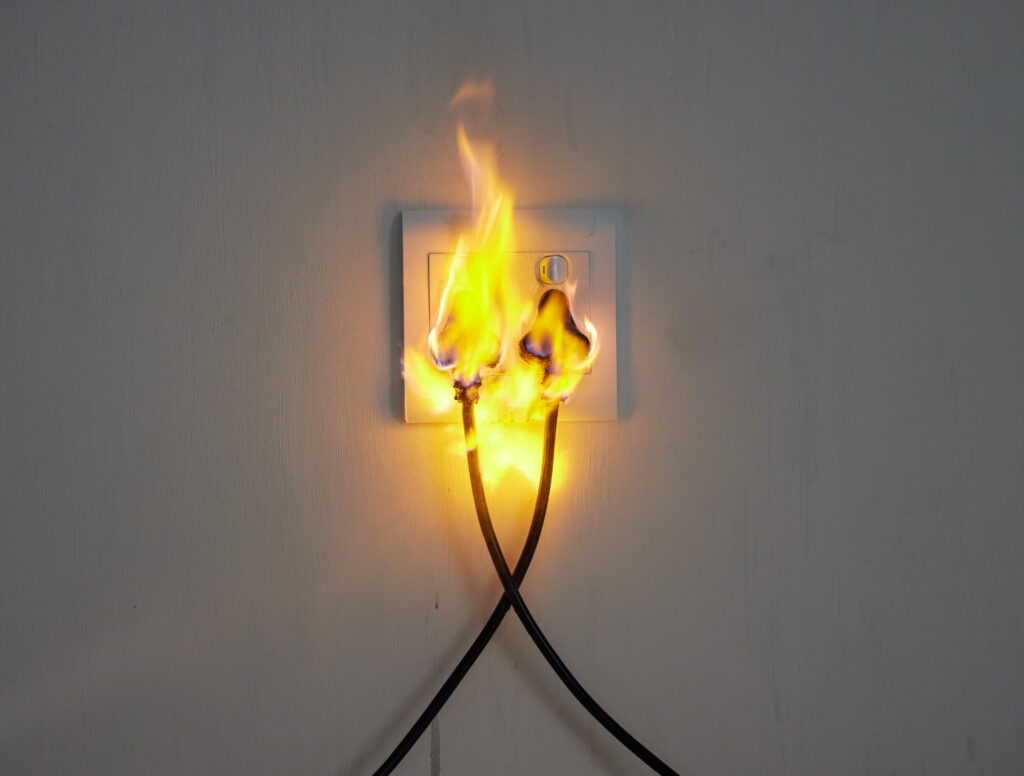
When a metal object enters the “hot” slot of an outlet, the electrical current travels through the object and into the child’s body. This shock can cause internal tissue damage that is not immediately visible. It can cause severe burns at the contact point on the hand. In the worst cases, the current crosses the chest, disrupting the heart’s rhythm. This potential for catastrophe exists in every room of the house, from the living room to the bedroom. It is a silent risk that remains constant as long as standard outlets are installed in the home.
Why Plastic Outlet Caps Are Not Enough
For decades, the standard solution for childproofing outlets has been the plastic outlet cap. These are small, pronged pieces of plastic that fit into the outlet slots. They are inexpensive and widely available, which leads many parents to believe they are a sufficient safety measure. In reality, plastic outlet caps provide a false sense of security and introduce new hazards of their own.
The primary flaw of a plastic cap is that it is removable. A determined toddler can often pry these caps out of the wall. Children are persistent and have surprisingly strong fingers. Once the cap is removed, the outlet is immediately exposed, and the protective barrier is gone. Furthermore, the cap itself becomes a danger. These small plastic pieces are the perfect size to block a child’s airway. If a child manages to remove a cap and puts it in their mouth, it becomes a serious choking hazard.
Want a proper GCFI outlet install? Click here for our GCFI outlet installation service.
Plastic caps also rely entirely on human memory and diligence. To use an outlet, an adult must remove the cap. It is all too common for a parent to unplug a vacuum cleaner or a lamp and forget to replace the cap immediately. In that moment of distraction, the outlet is unprotected. Even if the cap is replaced, over time and with repeated use, the prongs on the plastic cap can wear down. This makes them loose and even easier for a child to remove. Relying on a temporary, removable device to protect against a permanent, lethal hazard is a flawed strategy.
Understanding Tamper Resistant Receptacles
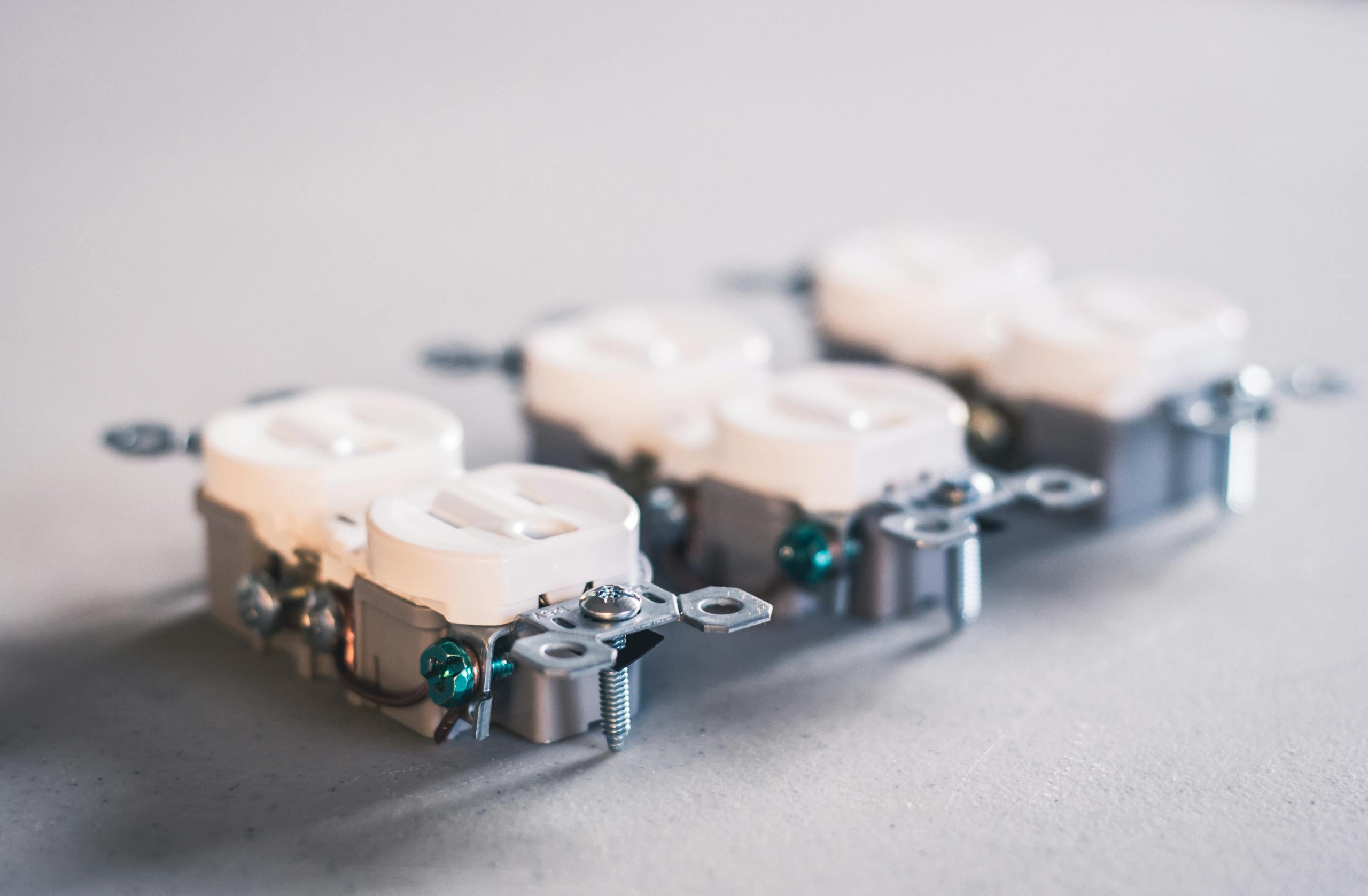
The superior solution to outlet safety is the tamper resistant receptacle, or TRR. These devices look nearly identical to standard outlets, but they feature a crucial internal difference. Inside the face of the receptacle, behind the vertical slots, there is a built in shutter mechanism. This mechanism is a spring loaded barrier that blocks access to the electrical contacts inside.
The shutter system is designed to open only when specific conditions are met. It requires simultaneous, equal pressure on both sides of the outlet to engage. When you insert a standard two prong or three prong plug, the two prongs hit the shutters at the exact same time with the same amount of force. This action compresses the internal springs and slides the shutters open, allowing the plug to make contact with the electricity.
This design is incredibly effective against the way children interact with outlets. A child typically tries to insert an object into just one of the slots. If they push a key or a paperclip into one side, the shutter on that side remains locked. It will not move. Even if they push extremely hard, the mechanism prevents the object from entering the outlet and touching the live parts. Because the child cannot apply equal pressure to both slots simultaneously with a single object, the outlet remains sealed and safe. This is a mechanical lockout that functions automatically, 24 hours a day, without requiring any action or memory from the homeowner.
The National Electrical Code Standards
Tamper resistant receptacles are not just a good idea; they are the law for new construction. The National Electrical Code, or NEC, is the benchmark for safe electrical design and installation in the United States. The code writers recognized the severe danger standard outlets posed to children. In the 2008 edition of the NEC, a mandate was introduced requiring tamper resistant receptacles in all new residential construction.
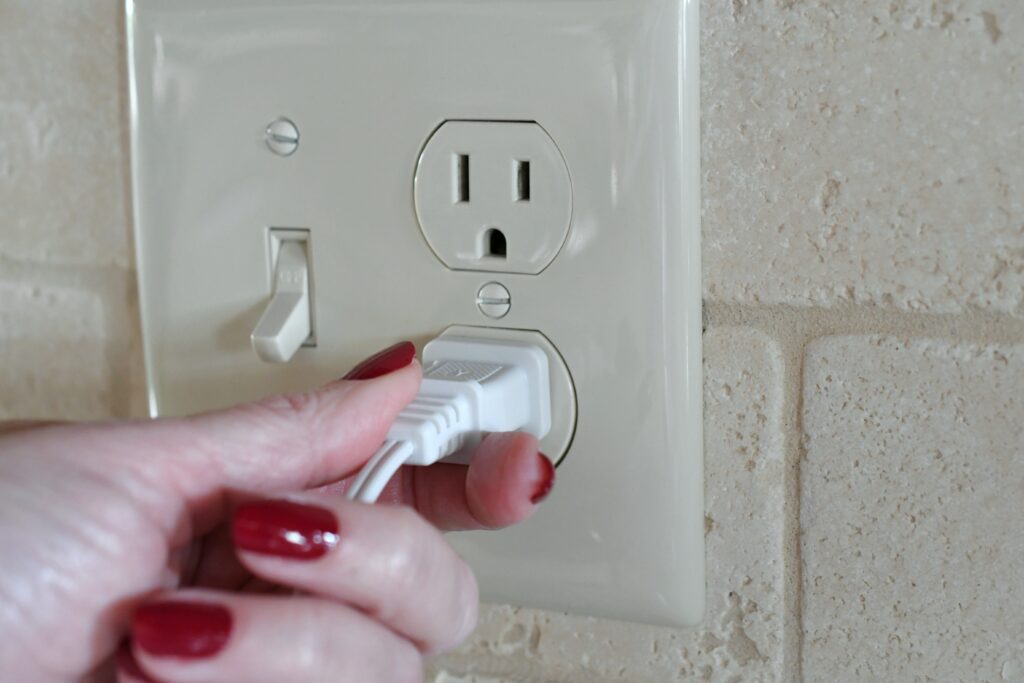
Initially, this requirement applied primarily to common areas. Over subsequent code cycles, the requirement has been expanded significantly. Today, the NEC requires tamper resistant outlets in virtually every area of a home. This includes living rooms, family rooms, dining rooms, bedrooms, kitchens, hallways, and even garages and outbuildings. The code also applies to guest rooms in hotels and childcare facilities.
This widespread mandate underscores the consensus among electrical safety experts. TRRs are the most effective way to prevent electrical injuries in children. If your East Canton home was built before 2008 and has not been updated, it likely does not have these safety devices installed. While you may not be legally required to upgrade your existing home unless you are doing a major renovation, bringing your electrical system up to current code standards is the best way to ensure the safety of your property and your family.
Identifying Tamper Resistant Outlets
You may be wondering if your home is already equipped with these devices. Identifying a tamper resistant receptacle is simple if you know what to look for. The most reliable indicator is a marking on the face of the outlet itself. Manufacturers are required to stamp the letters “TR” on the device. This mark is usually located in the center of the receptacle, between the two outlets, or sometimes on the side of the face.
You can also perform a visual inspection of the slots. In a standard, non tamper resistant outlet, you can look directly into the vertical slots and see the dark interior or the metallic contacts. In a tamper resistant outlet, the slots will appear to be blocked by a piece of plastic. This plastic is the shutter mechanism. It may be the same color as the outlet face, often white or ivory, or it may be a contrasting color like red or black in some older models, though matching colors are the industry standard now.
If you do not see the “TR” marking and the slots appear open, you have standard receptacles. These outlets offer zero protection against foreign object insertion. Even if your children are older, consider the visitors you may have. Grandchildren, nieces, nephews, and friends’ children who visit your home are all at risk. An electrical system should be safe for anyone who enters the home, regardless of their age or familiarity with the environment.
Beyond the Nursery
A common misconception is that childproofing is only necessary in the nursery or the child’s bedroom. Parents often prioritize these rooms because the child sleeps there. However, children are active explorers who roam the entire house. The living room is a prime location for accidents, as it is often where the family gathers and where outlets are easily accessible behind sofas or near TV stands.
Kitchens are another high risk area. While countertop outlets might seem out of reach, toddlers are adept climbers. Furthermore, kitchen islands often have outlets installed on the side or end of the cabinet structure, placing them comfortably within a child’s reach. Hallways, entryways, and dining rooms are also frequently overlooked. A child running down a hallway with a toy can easily stop to investigate an outlet.

A comprehensive safety strategy involves a whole home approach. Replacing only the outlets in one or two rooms leaves significant gaps in protection. When you decide to upgrade to tamper resistant receptacles, it is most effective to address every general purpose outlet in the home. This eliminates the need to constantly monitor where the child is and whether the plastic caps are in place in that specific room. It creates a uniform standard of safety throughout the entire property.
The Dangers of DIY Replacement
Once homeowners recognize the need for tamper resistant outlets, the temptation to treat it as a do it yourself project is strong. Outlets are inexpensive to buy at the hardware store, and the work seems straightforward. However, replacing an outlet is an electrical procedure that carries significant risks if done incorrectly.
One of the most common errors in DIY electrical work is the loose connection. If the wire is not stripped to the correct length or the screw terminal is not tightened to the specific torque specification, the wire can become loose over time. A loose wire creates resistance, which generates heat. This heat can melt the outlet and start a fire inside the wall. This can happen months or years after the installation, often without warning.
Another critical issue is “reverse polarity.” This happens when the hot and neutral wires are swapped. The outlet will still power a lamp, so it appears to work correctly. However, the internal safety mechanics of the device and the appliance plugged into it are compromised. This creates a shock hazard for anyone using that outlet.
Furthermore, older homes in East Canton may present unique challenges that a homeowner is not prepared for. You may open the wall box and find crumbling insulation on the wires. You might encounter aluminum wiring, which requires very specific connectors and installation methods to be safe. Connecting copper rated outlets directly to aluminum wiring is a major fire hazard. You might also find that the electrical box itself is damaged or ungrounded. A professional electrician knows how to identify and address these underlying issues safely.
The Professional Installation Advantage
Hiring a licensed electrician to install your tamper resistant receptacles ensures that the job is done safely and correctly. At Gragg Electrical Services, we approach outlet replacement as more than just swapping parts. We view it as a safety inspection for each circuit we touch.
Want more details on the dangers of DIY electrical work? Click here for more information.
When we open up an outlet box, we inspect the condition of the existing wiring. We check for signs of overheating or previous arcing. We verify that the outlet is properly grounded, which is essential for the safety of your electronics and your family. If we encounter a problem, such as a box that is too small or wires that are too short, we have the tools and expertise to fix it immediately and in accordance with the East Canton electrical code.
Professional installation also guarantees that the devices used are of professional grade. The “contractor pack” outlets sold at big box stores are often of lower quality than the commercial grade devices a professional electrician installs. Professional grade outlets have stronger internal contacts that hold plugs more securely and resist wearing out over time. This ensures that your safety investment lasts for decades.
There is no substitute for the peace of mind that comes from knowing your home is truly safe. While plastic caps offer a temporary and flawed barrier, tamper resistant receptacles provide a permanent, engineered solution to the danger of electrical shock. They work automatically, they cannot be removed by a curious child, and they are the standard for modern electrical safety. Do not leave your child’s safety to chance or a piece of plastic that can be easily lost. Upgrading your outlets is a proactive step that eliminates a severe hazard from your home. Contact a licensed electrician to discuss replacing your standard outlets with tamper resistant receptacles and secure your home for the future.