Benefits of Installing a Whole Home Surge Protector
A modern home in East Canton runs on electricity. Decades ago, a power surge might have only risked a television or a lamp. Today, your home is a complex ecosystem of smart devices, sophisticated appliances, and sensitive electronics. From the HVAC system and refrigerator to computers and security systems, nearly every valuable component relies on delicate microprocessors. These components are incredibly vulnerable to electrical fluctuations. While many homeowners are aware of the threat from dramatic events like lightning, most damage comes from smaller, unseen surges. A whole home surge protector serves as the first and most critical line of defense, guarding your entire electrical system at its point of entry.
Understanding the Constant Threat of Power Surges
A power surge is a brief but intense spike in your home’s electrical voltage. The standard voltage in the U.S. is 120 volts, but this flow is not always perfect. When the voltage exceeds this normal level, even for a fraction of a second, it can send a damaging wave of energy through your wiring. This excess voltage generates heat, which can fry sensitive circuit boards, melt components, and degrade the internal wiring of your electronics. The damage is often immediate and catastrophic, rendering an expensive appliance completely useless.
Many people associate power surges exclusively with lightning strikes. While lightning is the most powerful and destructive cause, it is also the least common. The majority of power surges, over eighty percent by some estimates, are actually generated internally. These are small, repetitive spikes caused by the normal operation of large appliances. When your air conditioner cycles on, your refrigerator compressor kicks in, or you use a power tool in the garage, it creates a small surge that travels back through your home’s electrical system. These mini surges may not destroy a device outright; instead, they inflict gradual, cumulative damage. This is the “death by a thousand cuts” that causes a smart TV to fail prematurely or a computer to start behaving erratically before it finally dies.
External surges, while less frequent, are also a significant concern. Beyond lightning, the utility grid itself can be a source of problems. Grid switching by the power company, downed power lines from a storm, or even transformer failures can send high voltage spikes directly into your home. As the Ohio power grid faces increasing demand from new developments and electrification, ensuring its stability is an ongoing challenge. These external events are completely unpredictable and can cause thousands of dollars in damage in an instant, highlighting the need for a comprehensive protective solution.
The Limits of Point of Use Surge Protectors
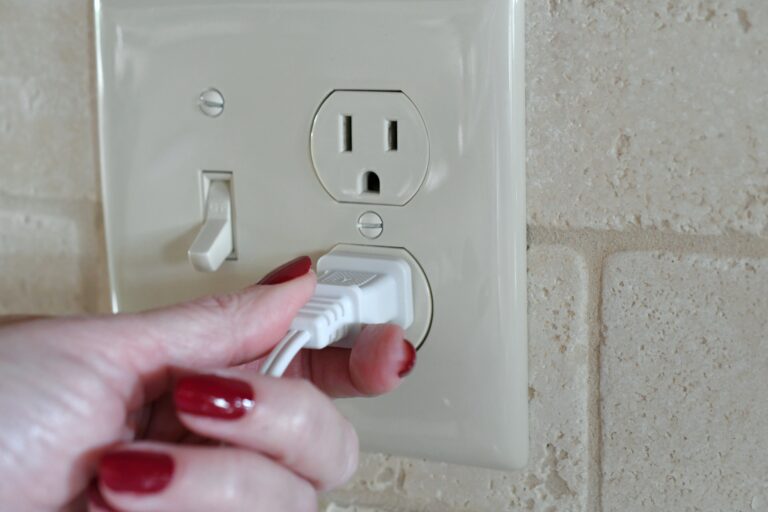
Most people believe they are protected because they use plug in power strips. These point of use surge protectors are a familiar sight in home offices and entertainment centers. They certainly play a role in a good protection strategy, but they are far from a complete solution. A power strip only protects the specific devices plugged directly into it. This leaves countless other valuable items in your home completely exposed, including the most expensive ones.
The most significant vulnerability lies in your hardwired appliances. Your furnace, air conditioner, dishwasher, oven, and even your garage door opener are tied directly to your home’s electrical system. They cannot be plugged into a power strip. These items contain complex and expensive control boards that are highly susceptible to surge damage. A surge can easily fry the main board on your furnace, leaving you without heat and facing a costly repair.
Furthermore, point of use power strips are sacrificial devices. They work by absorbing excess voltage, and they have a limited capacity, measured in joules. Every surge they absorb, no matter how small, uses up a portion of their protective life. Eventually, they simply stop protecting and function as a basic extension cord, often without any clear indication that their protective qualities are gone. They offer no defense against a major external surge, which will overwhelm them instantly and pass right through to your valuable electronics.
How a Whole Home Surge Protector Functions
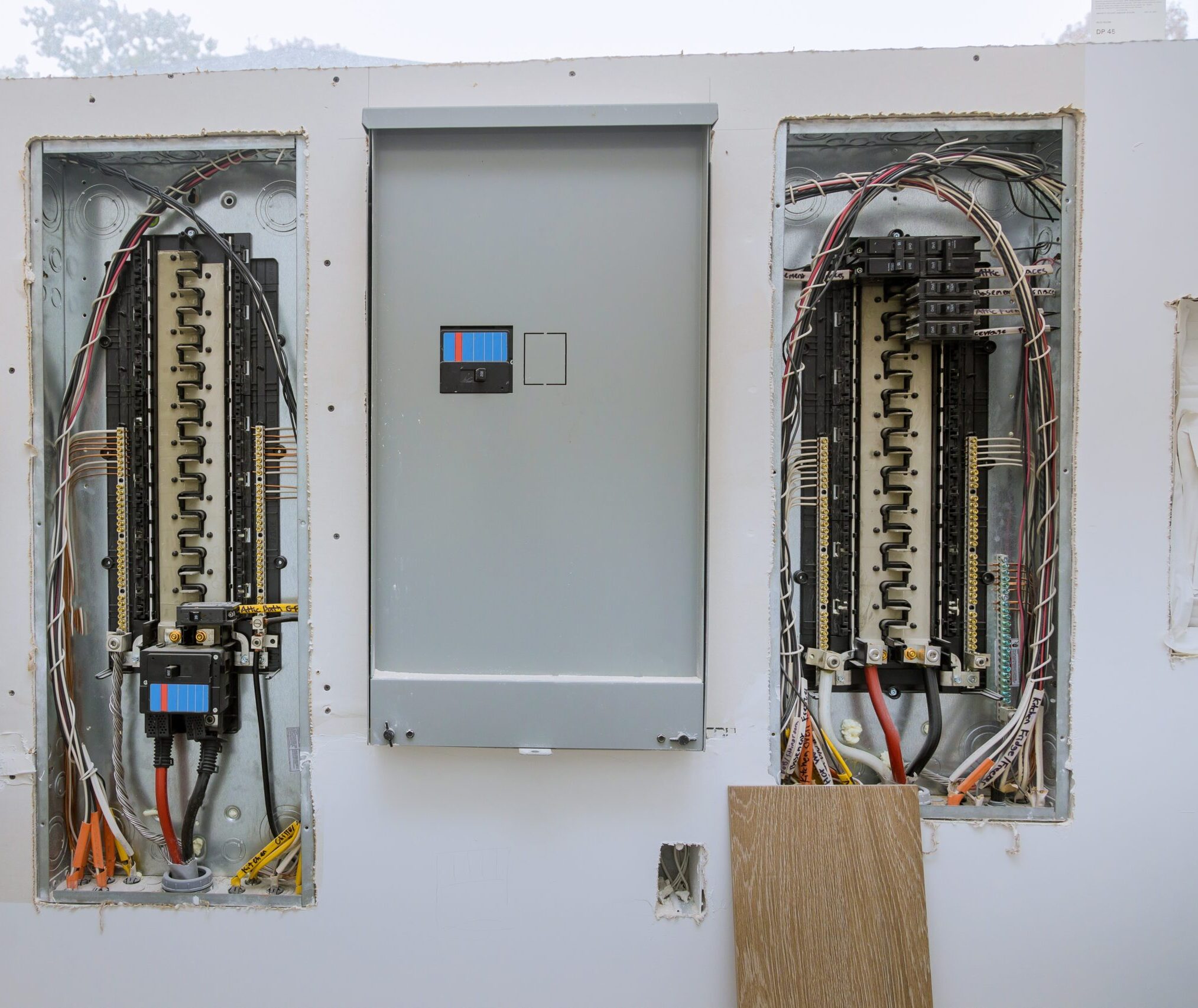
A whole home surge protector, technically known as a Type 2 Surge Protective Device (SPD), operates on a completely different principle. Instead of being placed at the individual outlet, it is installed by a licensed electrician directly at your main electrical panel or meter. This strategic location makes it the gatekeeper for all electricity entering your home. It monitors the incoming voltage from the utility line 24 hours a day, seven days a week.
The device works by creating a barrier against overvoltage. Inside the unit are components called Metal Oxide Varistors, or MOVs. These MOVs act like a pressure sensitive valve. During normal operation, when voltage is at 120 volts, they do nothing. The moment voltage spikes above a safe threshold, the MOVs instantly react, in nanoseconds, and divert that harmful excess electricity. This transient voltage is safely redirected into your home’s grounding system before it ever has a chance to enter your house circuits and reach your appliances.
This is what makes a whole home unit so effective. It stops the threat at the source. It neutralizes the powerful external surges from the grid or nearby lightning strikes, taking the massive hit so your electronics do not have to. It also filters and clamps down on the smaller, internal surges created by your own appliances, preventing them from contaminating the rest of your electrical system. This provides a clean, stable power environment for every single circuit in your home.
Comprehensive Protection for Modern Electronics
Think about the sheer number of electronic devices in your home. The list goes far beyond just computers and televisions. Your kitchen is likely filled with microprocessors, from the smart refrigerator and microwave to the dishwasher and modern oven. Your laundry room contains a washer and dryer with digital displays and electronic controls. Your HVAC system, one of the most expensive systems in your home, relies on a sensitive circuit board to function. Even your lighting may be composed of sophisticated LED fixtures and smart switches.

A whole home surge protector shields all of these items simultaneously. It protects the hardwired devices that power strips cannot. It defends the expensive items you rely on for daily comfort and convenience. The replacement cost of just one of these major appliances can easily exceed the total cost of installing a whole home surge protection system. When a surge takes out a refrigerator, you not only face the replacement cost but also the expense and hassle of spoiled food.
This comprehensive protection extends to the very infrastructure of your home. A powerful surge can damage the in wall wiring itself, creating hidden fire hazards. It can also destroy GFCI outlets and light switches. By installing a barrier at the panel, you are not just protecting your devices; you are protecting the integrity and safety of your entire electrical system. This broad shield ensures that every outlet and every switch in your home is delivering safe, clean power.
The Financial Benefits and Return on Investment
Installing a whole home surge protector is not an expense; it is an investment with a clear and significant return. The primary financial benefit is loss prevention. Compare the one time cost of a professional installation against the cumulative cost of replacing electronics. A new smart refrigerator can cost thousands. A new furnace control board can be hundreds. A high end computer or home theater system can represent a massive investment. A whole home surge protector safeguards all of an investment for a fraction of the cost of replacing just one of these items.
This protective measure also extends the functional lifespan of all your electronics. The daily, low level surges generated inside your home slowly degrade sensitive components. This degradation is why a device that should last ten years might fail in only five or six. By filtering out this constant electrical “noise,” a surge protector allows your appliances and electronics to operate in a stable environment, helping them reach or even exceed their expected service life. This saves you money in the long run by delaying replacement costs across your entire home.
Finally, consider the interaction with your homeowner’s insurance. Many policies have high deductibles for claims related to electrical damage. Some may not even cover damage from power surges at all, attributing it to grid failure or classifying it differently than other perils. The cost of a whole home surge protector is almost always less than the cost of a typical insurance deductible. It is a proactive measure that can prevent you from ever having to file a claim in the first place, saving you time, money, and hassle.
Layered Protection for Complete Peace of Mind
The most effective strategy for protecting a home is known as layered protection. This approach uses different types of surge protectors in coordination to ensure maximum safety. A whole home surge protector (Type 2) is the first and most important layer. It is installed at the panel to stop the vast majority of surge energy, especially from large external events. It is the heavy duty shield for the entire property.
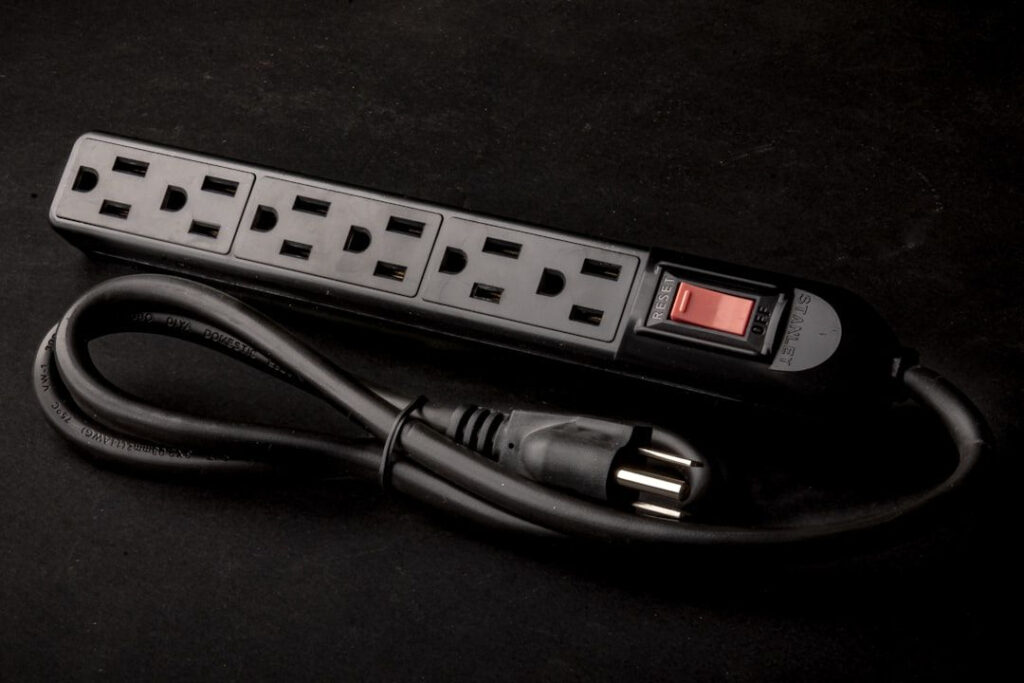
The second layer consists of the point of use surge protectors (Type 3) you are already familiar with. These power strips are still recommended for very sensitive and expensive electronics, like computers, gaming consoles, and home theater equipment. The whole home unit takes the main brunt of the surge, knocking a 5,000 volt spike down to a manageable level. The Type 3 power strip then “cleans up” any small residual voltage that might get past, providing a final layer of defense for the most delicate microchips.
Using this layered system makes your point of use strips more effective and last significantly longer. They are no longer being battered by large surges, so their protective joule rating is not depleted as quickly. This coordinated system provides true peace of mind. You know that your home is defended from large, catastrophic events at the panel and that your most critical electronics have redundant protection right at the plug.
The Professional Installation Process
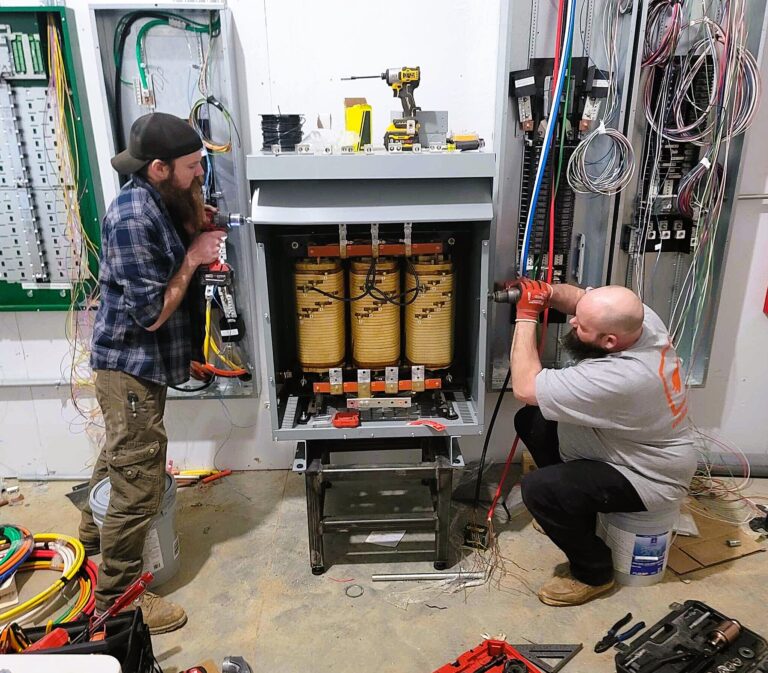
A whole home surge protector is not a do it yourself project. This device must be installed directly inside your home’s main electrical panel. This is the central hub of your electrical system and working inside it is extremely dangerous without proper training and certification. It involves handling live, high voltage wires. A mistake can result in severe electrical shock, fire, or catastrophic damage to your entire electrical system.
A licensed electrician is required to perform the installation safely and correctly. An electrician will ensure the surge protector is the correct model and rating for your specific panel and electrical service. They will make the proper connections to the circuit breakers and, most importantly, to the home’s grounding system. The grounding system is what allows the surge protector to function; if it is not connected properly, the device offers no protection at all.
Hiring a professional like Gragg Electrical Services ensures the installation is compliant with the National Electrical Code and all local East Canton regulations. It also validates the manufacturer’s warranty for the device itself. Many surge protectors come with a connected equipment warranty, but this warranty is often voided if the unit was not installed by a qualified electrician. Professional installation is the only way to guarantee your system is safe, effective, and properly warrantied.
Your home is more advanced and more connected than ever before. This technology provides incredible convenience, but it also creates a significant vulnerability. The sensitive electronics in your appliances, smart devices, and entertainment systems are all at risk from the constant threat of power surges. Relying on small power strips alone leaves your most valuable and expensive hardwired systems completely undefended.
A whole home surge protector is the definitive solution, providing a robust shield for every circuit in your home right at the service panel. It defends against both large external surges and the more common, cumulative damage from internal surges. This single installation is a modest investment that protects against thousands of dollars in potential losses, extends the life of your appliances, and provides unparalleled peace of mind. To secure your home’s electrical system, contact a qualified electrician to discuss installing a whole home surge protector.