Is Your Electrical System Ready for Holiday Decorations?
The holiday season is a cherished time in East Canton. As the days grow shorter and the air turns crisp, neighborhoods light up with the warm glow of festive decorations. From strings of lights outlining rooftops to inflatable figures on the lawn, these displays bring joy to families and communities. However, this sudden and dramatic increase in electrical demand places a unique and significant strain on a home’s electrical system. What is often a joyful tradition can quickly become a serious hazard if the system powering it is not prepared.
Many homes, particularly the beautiful older ones common in Ohio, were not designed to handle this modern electrical load. Their systems, which were adequate for a different era, are now asked to power computers, high definition televisions, smart home devices, and then, suddenly, thousands of watts of holiday lighting. This seasonal surge is a primary contributor to the spike in home electrical fires seen during the winter months. Before you untangle that first string of lights, it is critical to assess whether your electrical system is truly ready for the task.
The Added Load of Holiday Cheer
It is easy to underestimate the cumulative electrical load of holiday decorations. A single string of old incandescent C9 bulbs can consume a surprising amount of power. When you begin to add multiple strings, along with animated figures, projectors, and the motors for inflatable snowmen, the demand on a single circuit can quickly exceed its safe capacity. This added load is not a minor adjustment; it is a sustained, high demand that can last for hours every night, for weeks on end.
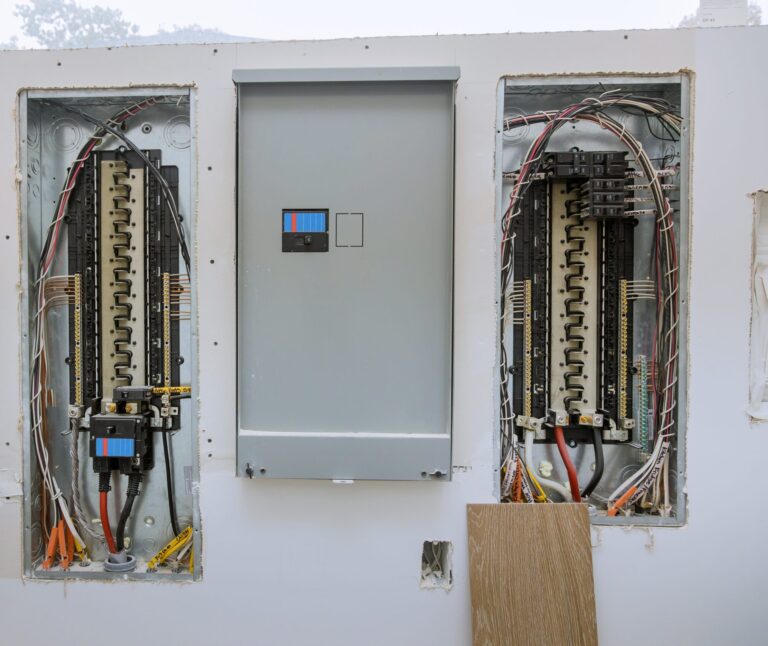
This strain is particularly dangerous in older homes that may still have outdated wiring or original electrical panels. These systems often have fewer circuits, meaning the load from your holiday display is likely being added to a circuit already powering other items inside your home. This combination is a recipe for an overload, which generates excessive heat in your home’s wiring. This heat is the precursor to most electrical fires, as it can melt wire insulation and ignite nearby flammable materials like wood framing and dust.
Even in newer homes, the circuits designated for outdoor outlets may not have been intended to power an entire neighborhood’s worth-of-wattage. The sheer number of plug-in items used during the holidays puts a stress on outlets and extension cords that they do not experience at any other time of year. Recognizing this potential strain is the first step toward a safe and festive season.
Overloaded Circuits and Extension Cords
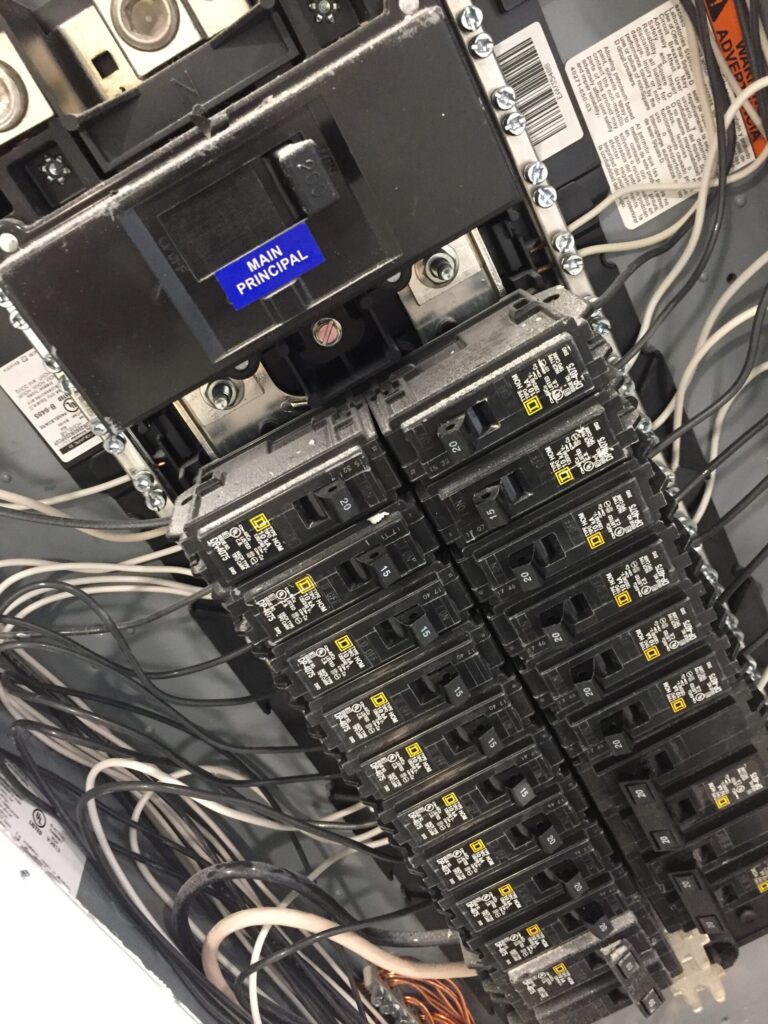
The most common and immediate hazard we see during the holidays is the overloaded circuit. Your home’s electrical system is divided into circuits, each protected by a circuit breaker or fuse. This breaker is designed to “trip,” or shut off, when the electrical demand on its circuit exceeds a safe level. This is a critical safety feature. If you find yourself frequently resetting a breaker after plugging in your decorations, it is a clear warning sign that you are dangerously overloading that circuit.
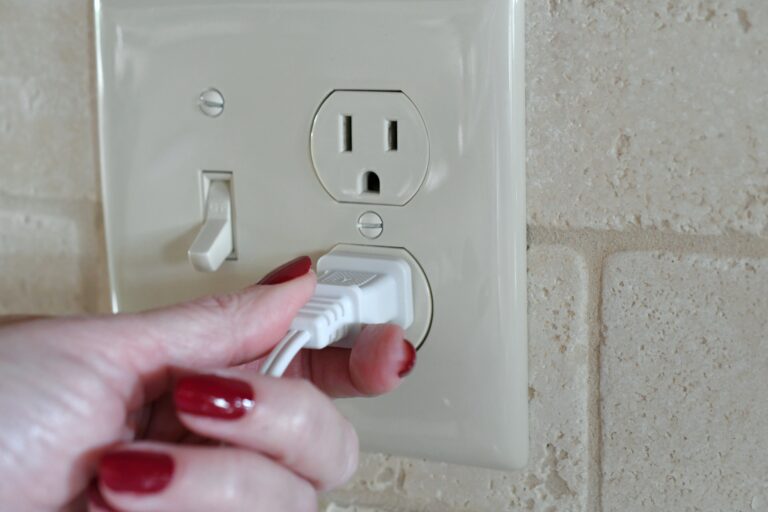
Many people attempt to solve this problem by using multiple power strips and extension cords, often “daisy chaining” them by plugging one into another. This is an extremely dangerous practice. It does not add more power; it only allows you to draw more power through a single outlet, dramatically increasing the risk of overheating the cord or the wall receptacle itself. The wires inside an extension cord have a specific thickness, or gauge, and are rated for a maximum electrical load. Exceeding that load will cause the cord to become hot, melt its insulation, and potentially start a fire.
Is your wiring old and unreliable? Click here for our electrical wiring service.
A safe approach requires careful planning. You must be aware of what each circuit in your home powers. Ideally, holiday decorations should be spread across multiple circuits to distribute the load. You must also use the correct extension cord for the job. Cords are rated for either indoor or outdoor use; using an indoor cord outside is a major hazard, as it is not built to withstand moisture or cold temperatures, which can cause the insulation to crack and expose live wires.
The Lifesaving Role of GFCIs
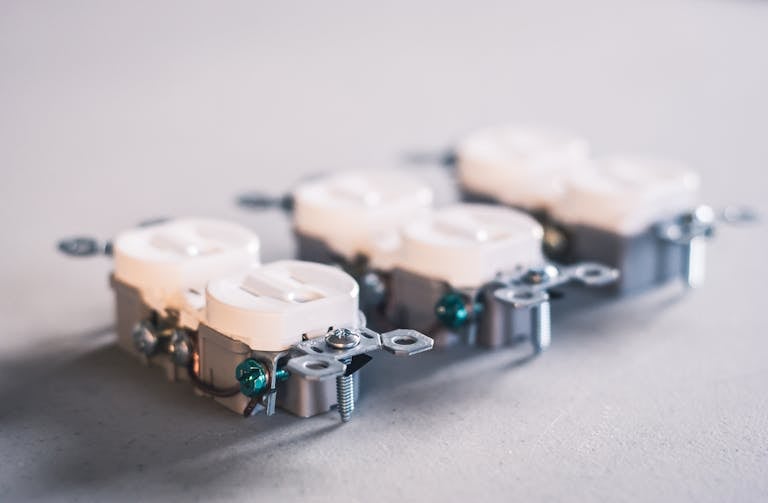
For any and all outdoor decorations, Ground Fault Circuit Interrupters, or GFCIs, are not optional; they are an absolute necessity. A GFCI is a special type of outlet, identifiable by the “TEST” and “RESET” buttons on its face. It is designed to do one thing: save your life from electric shock. It works by constantly monitoring the flow of electricity in the circuit. If it detects even a tiny imbalance, such as the current taking an alternate path to the ground, perhaps through a person or a puddle of water, it shuts off the power in a fraction of a second.

During the Ohio winter, your outdoor decorations are constantly exposed to moisture. Rain, snow, sleet, and melting ice can all introduce water into electrical connections. Water and electricity are a lethal combination. Plugging an outdoor display into a non GFCI protected outlet is risking a severe or fatal electric shock. Every outdoor receptacle on a modern home should already have GFCI protection.
If your home is older, or if you are unsure if your outdoor outlets are protected, this is a critical safety upgrade that must be addressed. A licensed electrician can easily replace an old outlet with a new, weather resistant GFCI receptacle. They can also install a GFCI circuit breaker in your main panel, which provides protection to every outlet on that entire circuit. This single, simple upgrade is one of the most important things you can do to protect your family during the holidays.
Inspecting Decorations: Old and New
Before a single light is hung, every string and decoration must be carefully inspected. This is especially true for decorations that have been stored in an attic or basement for eleven months. Look for frayed wires, cracked insulation, broken or cracked sockets, and any signs of damage to the plugs. Wires can be damaged by being stapled, bent too tightly, or even chewed by pests in storage. A damaged wire is a fire and shock hazard. If a string of lights shows any of these warning signs, it must be discarded and replaced.
Want to keep up on electrical maintenance? Click here for tips on what to do.
This is also an excellent time to consider upgrading your lights. Traditional incandescent bulbs, while nostalgic, consume a massive amount of energy and get very hot to the touch. This heat can be a fire hazard, especially on a dry Christmas tree or when bunched against flammable materials. Modern LED lights are a superior choice in every category. They use up to 75 percent less energy, which means you can safely plug in many more strings on a single circuit. They also produce almost no heat, making them significantly safer.
Whether you are using old or new lights, always check for a safety certification label from a recognized testing laboratory, like UL or ETL. A red UL mark indicates the product is safe for both indoor and outdoor use, while a green mark means it is rated for indoor use only. This label is your assurance that the product has been tested and meets national safety standards.
Planning for a Safer Display
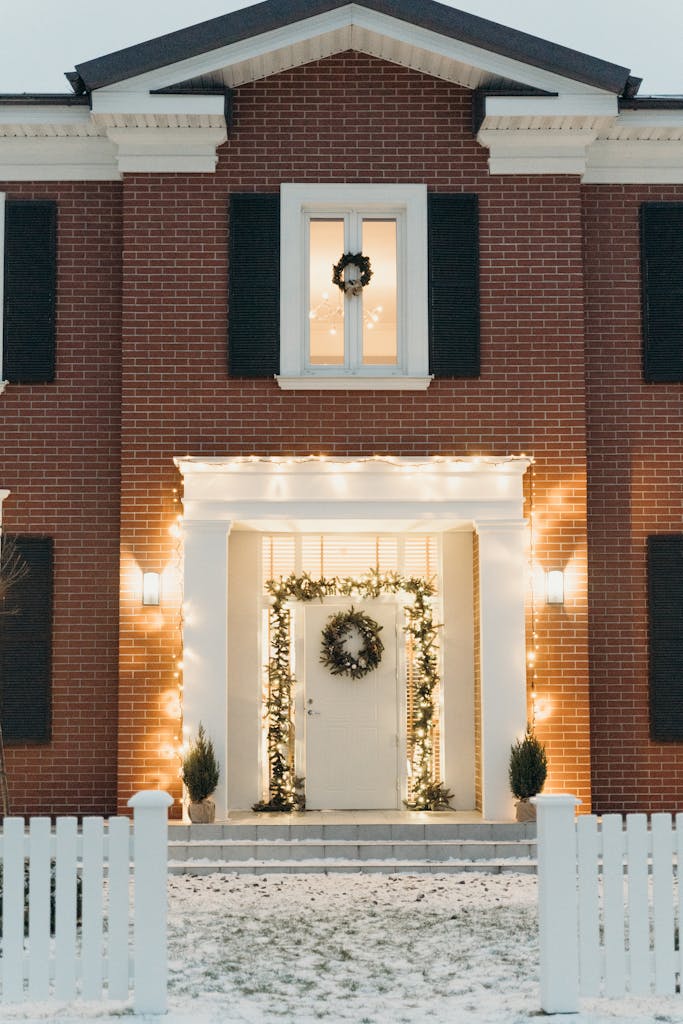
A safe holiday display starts with a smart plan. Instead of running all your power from a single, inconveniently located outlet, consider the benefits of a permanent, professional solution. If you find yourself running multiple long extension cords across your lawn or driveway, you are creating both a trip hazard and a fire risk. A much safer and more convenient option is to have a licensed electrician install one or more dedicated, weather-resistant GFCI outlets in strategic locations around your property.
This not only makes setting up your display easier every year but also ensures the power is being delivered safely. An electrician can also install a dedicated circuit in your electrical panel that is used exclusively for your holiday display. This prevents any risk of overloading the existing circuits that power the rest of your home. You will no longer have to worry about the lights flickering when the microwave turns on.
For ultimate control and safety, timers are an excellent tool. A timer ensures your lights are only on when you want them to be, saving energy and reducing the risk of a fire starting when you are asleep or away from home. Never leave your holiday decorations on overnight or when your house is empty.
Decorating your East Canton home for the holidays is a tradition that brings immense joy. By taking the proper electrical precautions, you can ensure that your festive display remains a source of happiness and not a hazard. It begins with respecting the limits of your home’s electrical system, inspecting every cord and light string, and refusing to cut corners on safety. Never overload your circuits, never use damaged equipment, and never plug outdoor decorations into an unprotected outlet.
If you are unsure about the state of your wiring, if your breakers trip when you plug in your display, or if your home lacks outdoor GFCI outlets, it is time to call in a professional. The experts at Gragg Electrical Services can perform a thorough electrical inspection, upgrade your outlets, or install new, dedicated circuits to power your display safely. A small investment in your electrical system’s readiness can protect your home, your family, and your holiday peace of mind.