What’s Causing That Burning Smell Near My Outlet?
The smell of burning plastic or rubber is one of the most alarming odors a homeowner in East Canton can detect. When that acrid, chemical scent is traced back to an electrical outlet or switch, it is an immediate call to action. This odor is not a sign of a minor malfunction; it is the physical evidence that a component of your electrical system is actively overheating, melting, or arcing. In fact, many residential fires caused by electrical malfunctions are preceded by this unmistakable odor.
The source of the smell is typically the wire insulation, which is made of plastic or rubber, or the plastic housing of the outlet itself. When a wiring mistake or an overload causes excessive heat, these materials begin to scorch and release toxic fumes. Your immediate, most critical task is to eliminate the electrical current to prevent a full scale fire. Once the power is safely off, understanding the root cause is essential to getting a professional, lasting repair. This is not a moment for hesitation or a DIY fix; it is a serious electrical emergency.
Immediate Steps for Safety
The moment you smell burning coming from an outlet, switch, or even a section of the wall, you must act swiftly and methodically to protect your family and your property. Electrical fires can ignite and spread within minutes, and immediate intervention is paramount.
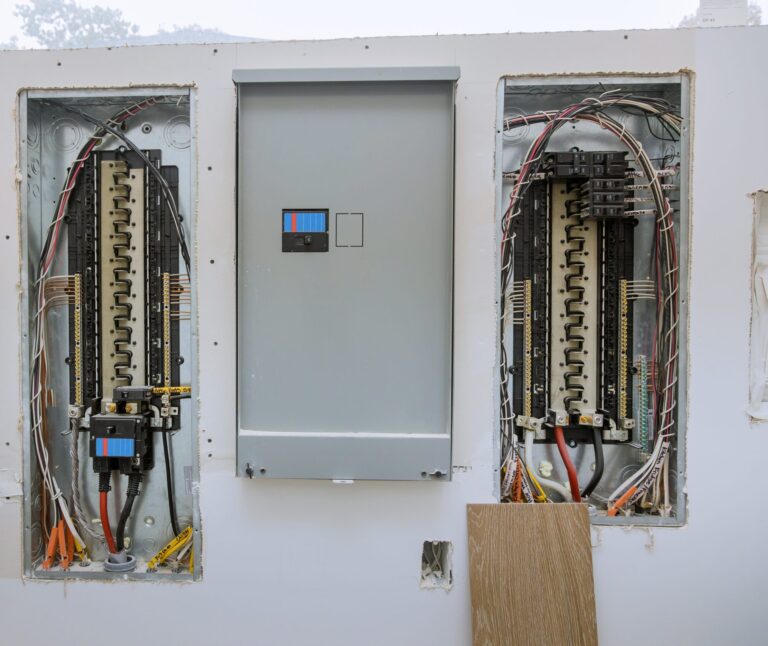
First and most importantly, if you can safely reach your electrical panel, you must shut off the power to the circuit immediately. Do not waste time trying to locate the exact source of the smell if it means delaying turning off the electricity. If you are unsure which breaker controls the affected area, flip the main breaker to cut power to the entire house. It is far better to have a temporary blackout than an electrical fire.

Second, do not touch the outlet or the plug. If there is any visible smoke, sparks, melting, or discoloration, touching the plug could result in a severe electrical shock. If you can safely reach the device plugged into the outlet without touching the outlet itself or the cord near it, carefully unplug the appliance. However, if the plug is fused or sticking to the outlet, leave it alone. Do not attempt to force it out.
Once the power is off, call a licensed electrician immediately. Until a professional has inspected the wiring behind the wall and cleared the system for use, do not restore power to that circuit. It is important to remember that electrical systems are complex, and the source of the heat could be an issue deeper inside the wall or further up the circuit. Even if the smell dissipates, the damaged wiring or component remains, and the fire hazard is still present.
The Most Common Causes of Electrical Overheating
When an electrician arrives to diagnose the burning smell, they are primarily looking for three major faults: overload, loose connections, or component failure. All three lead to the same result: excessive heat that melts plastic.
An overloaded circuit is a very common culprit, especially in older East Canton homes. Every circuit is designed to handle a set amount of amperage, usually 15 or 20 amps, which corresponds to a maximum wattage. When you plug too many high draw appliances into the same outlet or the same circuit, the total power demand exceeds the safe limit. The wire attempts to carry this excess current, causing it to overheat, which in turn melts the plastic insulation. This often occurs when using space heaters, hair dryers, or multiple kitchen appliances on one circuit simultaneously. The breaker is supposed to trip in this scenario, but if it is faulty or worn out, the wire simply overheats.
Need electrical repair? Click here for our electrical repair service.
Loose connections are arguably the most frequent and insidious cause of a burning smell. Over years of vibration, age, and repeated plugging and unplugging of devices, the wires connected to the outlet terminals can loosen. A poor connection increases the electrical resistance at that point. This resistance converts electrical energy directly into heat. This localized heat scorches the wire insulation and melts the plastic housing of the outlet. Because this damage occurs inside the wall box, it is often hidden from view until the melting plastic emits its telltale odor. This type of fault is a silent killer and requires a professional to tighten the wire to the correct specification to prevent recurrence.
Finally, the smell can be caused by worn or damaged components. The contacts inside the outlet receptacle itself can wear down, leading to a weak grip on the prongs of a plug. This weak connection creates resistance and arcing, which are tiny sparks that generate intense heat, melting the plastic around the prong slots. This is common in older, heavily used outlets. Similarly, the internal components of a faulty appliance or device plugged into the outlet might be malfunctioning, causing localized overheating and emitting the smell from the appliance itself, which you mistakenly attribute to the outlet.
The Dangers of Outdated and Improper Wiring
In addition to operational faults, the age and composition of your home’s wiring can be the underlying reason for overheating, particularly in older properties. Wiring that was installed decades ago was never intended to handle the sustained electrical load of a modern household, creating chronic stress on the system.
Homes built in the 1960s and early 1970s often contain aluminum branch wiring. Aluminum wiring is fundamentally less forgiving than copper. It oxidizes more rapidly when exposed to air, and its tendency to expand and contract with heat cycling is greater than copper. This expansion and contraction leads to loose connections at the terminal screws, even if they were tight upon installation. As discussed, loose connections generate heat, and this heat can be intense enough to melt switches and outlets. Aluminum wiring requires special attention and is a known fire hazard if the connections are not maintained using specific, approved connectors.

Beyond the wire type, the insulation on very old wiring can simply become brittle and crack with age. Once the protective plastic or rubber insulation is compromised, the exposed conductors can touch the metal housing of the outlet box or another wire. This causes a short circuit, which creates an immediate surge of heat and sparks, resulting in the burning smell and potential fire. In these older systems, replacing just the single outlet is not sufficient; the entire circuit needs to be thoroughly inspected and potentially rewired to eliminate the old, degraded insulation.
Finally, improper DIY installation is a frequent cause of overheating. If an outlet was replaced by someone without proper training, they may have used the wrong type of wire connector, failed to secure the wires tightly enough, or incorrectly wired the hot and neutral terminals. These subtle mistakes create a hidden fault that may operate for months before the resistance and heat build up enough to trigger the burning smell. Professional installation ensures that every connection is secure and code compliant, protecting the home from these common, but dangerous, errors.
The Significance of the “Fishy” Smell
While most people associate an electrical fire with the smell of burnt plastic or rubber, a much stranger odor is also a major red flag: a fishy or urine like smell. This seemingly unrelated odor is actually a very specific sign of an electrical problem.
Want to know the fire hazards we find in older homes? Click here for more information.
This distinctive scent comes from certain chemicals and materials used in the manufacturing of electrical components, especially in older electrical wiring and plastic outlet housings. When certain types of plastic or chemical retardants overheat, they release an odor that strongly resembles rotting fish or a pungent chemical vapor. If you smell fish but have no seafood in the trash or the kitchen, the very next thing you should check is your electrical system. This fishy smell indicates that plastic components are cooking and breaking down, signaling a severe heating issue that requires the exact same immediate action as a smell of burning rubber: shut off the power and call a professional.
Preventive Measures to Secure Your System
After an electrician has successfully diagnosed and repaired the source of the burning smell, the next step is to take measures to prevent it from happening again. A modern, safe electrical system is one that is not chronically stressed.
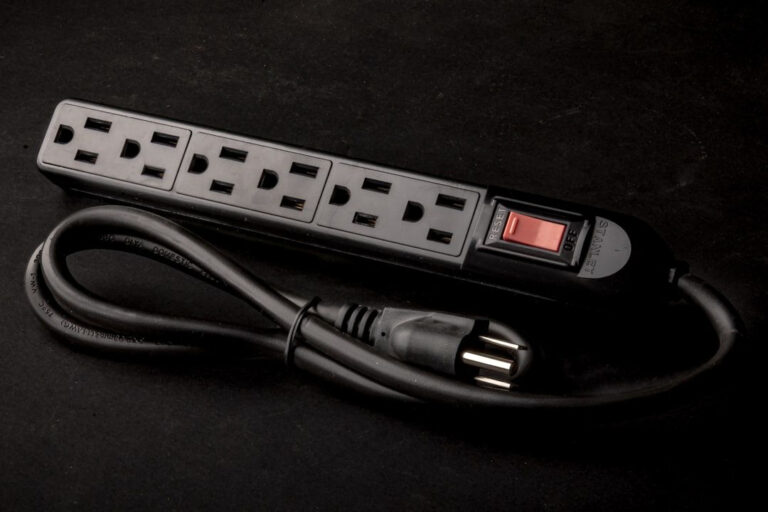
Avoid Overloading Circuits: Be mindful of where you plug in high wattage appliances. If an outlet is constantly tripping its breaker, or if a whole room of lights dims when you turn on a device, you need to redistribute the load. If possible, plug high power items into dedicated circuits. Never use power strips to plug multiple high wattage appliances into one outlet; power strips only allow you to plug more devices into one circuit, which increases the load and the fire risk.

Update Aging Components: If your East Canton home is over 20 years old and still has its original outlets and switches, consider replacing them. Outlets wear out over time, leading to loose connections. Replacing an old, worn out outlet with a high quality, modern receptacle or a tamper resistant receptacle is a small investment that greatly increases the safety and reliability of the circuit. Furthermore, if your home has an older electrical panel that is undersized or a known defective brand, scheduling an upgrade is the single best way to mitigate future fire hazards.
Schedule Routine Inspections: The most effective prevention is proactive inspection. Loose connections, corrosion, and degraded insulation occur over time, often hidden inside walls or the electrical panel. Scheduling a comprehensive electrical inspection every few years allows a licensed electrician to check the connections at the outlets, switches, and the main panel, identifying and tightening any loose terminals before they have a chance to generate dangerous heat and cause a fire.
A burning smell near an electrical outlet is one of the clearest and most urgent warning signs your home can give you. It signifies that electricity is flowing incorrectly, causing materials to melt and creating an immediate fire hazard. The necessary response is always the same: shut off the power to the circuit immediately, do not attempt a quick fix, and call a licensed professional to diagnose the root cause. Do not take the gamble of ignoring the odor or restoring power before the system has been professionally inspected and repaired. Your safety, and the integrity of your home, depends on a prompt and professional response to this unmistakable sign of danger.