What to Know Before Installing a Hot Tub in Your Backyard
Spring is the perfect season to start planning a backyard hot tub installation in East Canton. Warmer weather makes outdoor projects easier, and getting the electrical work done now means your hot tub will be ready for summer evenings and cool autumn nights. A hot tub is a major electrical appliance that demands careful planning, proper wiring, and a dedicated circuit. Skipping any of these steps can lead to tripped breakers, damaged equipment, or serious safety hazards. Homeowners often focus on the tub itself and forget that the electrical setup is just as important as the hot tub model. Before the delivery truck arrives, you need to understand the wiring, permits, and code requirements involved. Gragg Electrical Services helps homeowners across Stark County prepare their backyards for safe, reliable hot tub use. This guide walks you through everything you should know before installation day.
Hot Tub Electrical Requirements for a Safe Backyard Installation
Most residential hot tubs require a 240-volt, 50-amp or 60-amp dedicated circuit, depending on the model. This means your hot tub cannot share a circuit with any other appliance, outlet, or fixture in your home. A licensed electrician must run a dedicated line from your electrical panel to a GFCI-protected disconnect box near the tub. The disconnect box must sit at least five feet away from the water but within sight of the hot tub. These rules come directly from the National Electrical Code and are enforced by local inspectors in Ohio. Getting the requirements right the first time saves money, prevents delays, and keeps your family safe.
Understanding Hot Tub Electrical Requirements for Voltage and Amperage
Hot tubs are not plug-and-play appliances like a refrigerator or microwave. Most plug-in models that use a standard 120-volt outlet heat slowly and struggle in cold Ohio weather. A hardwired 240-volt hot tub heats faster, runs jets and heaters at the same time, and performs better year-round. The amperage requirement depends on the tub’s size, number of pumps, and heater wattage. A small two-person tub might need 40 amps, while a large six-person model with multiple pumps could require 60 amps. Always check the manufacturer’s specifications before your electrician begins any work. This information determines the wire gauge, breaker size, and disconnect box rating needed for a safe installation.
Undersized wiring is one of the most common mistakes homeowners make when trying to save money on hot tub installation. A wire that is too small for the load will overheat, melt insulation, and create a fire risk. Oversized wiring, on the other hand, wastes money without adding any safety benefit. A licensed electrician calculates the correct wire size based on the tub’s amperage, the distance from the panel, and the wiring method used. In most backyard installations, 6-gauge or 8-gauge copper wire is standard for hot tub circuits. Running the right wire also ensures the breaker trips correctly during a fault. That protection is what keeps you safe when stepping into the water.
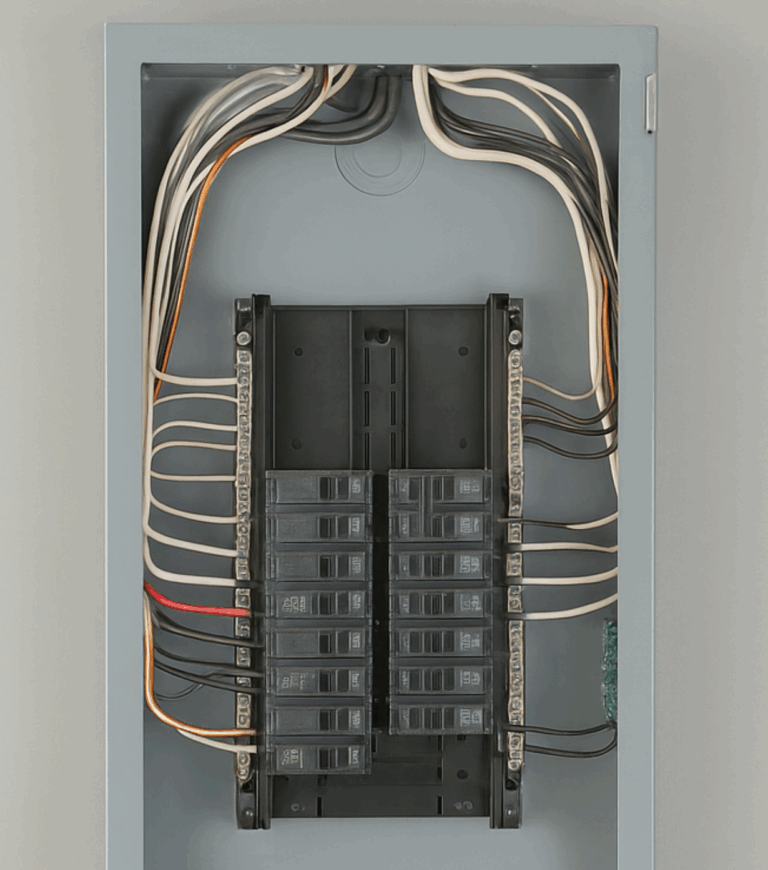
The breaker at your main panel must match both the wire size and the hot tub’s load requirements. Every hot tub circuit requires a GFCI breaker, which stands for ground-fault circuit interrupter. A GFCI breaker shuts off power within milliseconds if it detects current leaking to ground. This protection is critical because water and electricity create a deadly combination without it. Your electrician will install the correct GFCI breaker in your main panel and test it before energizing the circuit. Annual GFCI testing is also recommended to confirm the breaker still works as designed. Need professional hot tub wiring? Click here for our hot tub wiring service.

Meeting Hot Tub Electrical Requirements for Code Compliance
The National Electrical Code sets strict rules for hot tub installations, and Ohio follows these standards closely. Article 680 of the NEC covers pools, spas, and hot tubs specifically. This section dictates wire types, burial depths, bonding requirements, and clearances from the water. Local inspectors in Stark County will check every detail during the final inspection. Any deviation from code can result in a failed inspection and costly rework. Hiring a licensed electrician from the start avoids these headaches entirely.
Bonding is a code requirement that many homeowners have never heard of before their hot tub install. Bonding means connecting all metal parts around the hot tub with a solid copper wire, usually 8-gauge. This includes the tub’s frame, nearby metal railings, pump motors, and any metal within five feet of the water. The bonding wire equalizes electrical potential so that no stray voltage can shock someone touching two metal objects. It is a separate requirement from grounding and serves a different safety purpose. Inspectors always check bonding connections, and skipping this step guarantees a failed inspection.
Permits are another code requirement that cannot be skipped. Stark County requires an electrical permit before any hot tub wiring work begins. Your electrician pulls the permit, completes the work, and schedules the inspection. The inspector verifies the circuit, GFCI protection, bonding, disconnect location, and wire routing. Passing inspection protects you legally if anything ever goes wrong, and it also matters when you sell your home. Unpermitted electrical work can void your homeowners insurance and create problems during a real estate transaction. Always insist on a permitted, inspected installation from a licensed electrical contractor.
Planning Hot Tub Electrical Requirements for Panel Capacity
Before adding a hot tub circuit, your electrician must evaluate your existing electrical panel. Older homes in East Canton often have 100-amp panels that are already close to full capacity. Adding a 50-amp or 60-amp hot tub load to a maxed-out panel can overload the service. A load calculation determines if your current panel can handle the new circuit safely. If the numbers do not add up, a panel upgrade may be necessary before the hot tub wiring can begin.
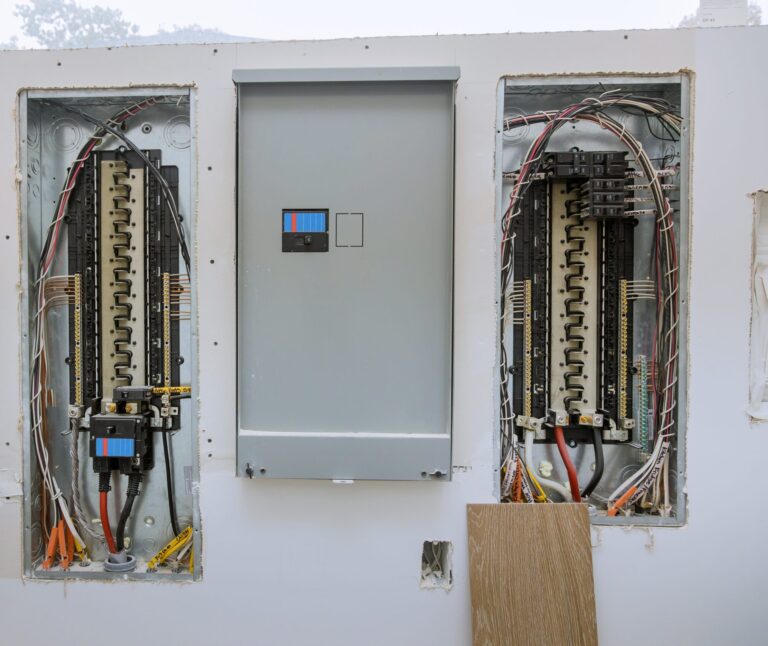
Panel space is another factor that catches homeowners off guard. A GFCI breaker for a hot tub takes up two slots in your panel, and sometimes more depending on the breaker type. If your panel is already full of breakers, you may need a subpanel or a full panel replacement. A subpanel is a smaller panel fed from the main panel that provides additional circuit space. This option works well when the main panel has capacity but lacks physical space for new breakers. Your electrician can recommend the best solution after inspecting your current setup.
Upgrading your electrical panel is a smart long-term investment, especially if you plan to add other large loads in the future. EV chargers, whole-house generators, and additional HVAC equipment all require significant panel capacity. Doing the upgrade once, correctly, saves money compared to piecemeal fixes later. Gragg Electrical Services offers panel upgrades and subpanel installations throughout East Canton and the surrounding communities. Need a panel upgrade? Click here for our electrical panel upgrade service.
Backyard Hot Tub Placement and Wiring Considerations
Where you place your hot tub affects the cost, complexity, and safety of the electrical installation. The distance from your main panel to the tub determines wire length, conduit requirements, and labor time. Obstacles like driveways, patios, and landscaping can drive up trenching costs. Placement also affects code compliance, since the NEC requires specific clearances from overhead lines and structures. A walkthrough with your electrician before installation helps you choose the best location. Planning ahead prevents surprises and keeps your project on budget.
Choosing the Right Spot for Backyard Hot Tub Placement and Wiring
Hot tubs should sit on a level, solid surface capable of supporting thousands of pounds of water and people. Concrete pads, reinforced decks, and engineered gravel bases are all acceptable options. The electrical disconnect must be visible from the tub but at least five feet away from the water’s edge. Overhead power lines require a minimum clearance of 22.5 feet above the hot tub surface. These clearances protect swimmers from accidental contact with energized wires during storms or accidents. A professional electrician will confirm all clearances before finalizing the installation plan.
Drainage around the hot tub area matters for both comfort and electrical safety. Standing water near the disconnect box, conduit connections, or underground wire splices can cause corrosion and faults over time. Grading the area so water flows away from the tub prevents these issues. Weather-rated equipment is required for all outdoor hot tub installations, and the NEC specifies which components must be listed for wet locations. Your electrician uses rated conduit, fittings, boxes, and breakers designed for outdoor use. Proper materials are the difference between a setup that lasts decades and one that fails in a few years.
Think about future landscaping and access when choosing hot tub placement. Burying conduit under a future patio or deck makes repairs nearly impossible without major demolition. Leaving the conduit route accessible along a fence line or garden edge makes maintenance much easier. You should also consider sight lines, privacy, and the path from your back door to the tub. Good placement turns your hot tub into a relaxing retreat, while poor placement creates daily frustration. Take the time to plan the entire area before the first trench is dug.
Running Wire for Backyard Hot Tub Placement and Wiring
Running wire from your main panel to the hot tub location usually involves trenching and conduit. The NEC requires underground hot tub wiring to be buried at a minimum depth, which varies based on the conduit type and wiring method. Rigid metal conduit can be buried at six inches, while PVC conduit typically needs 18 inches of cover. Direct-burial cable without conduit requires 24 inches of depth in most residential applications. These depths protect the wire from shovel strikes, freeze damage, and ground movement. Your electrician knows which method works best for your yard and budget.
Trenching through a yard is easier than running wire through a finished basement or attic. However, landscape features like mature trees, sprinkler systems, and buried utilities complicate the job. Always call 811 before digging to have underground utilities marked. Hitting a gas line, water main, or phone cable creates dangerous and expensive problems. A professional electrician coordinates the utility locate, trenching, and wire pulling to keep the project moving smoothly. DIY trenching often leads to buried mistakes that cost more to fix later.
Some homeowners prefer overhead wiring to avoid digging a trench. Overhead installations work in limited situations but must meet strict clearance and support requirements. The NEC specifies minimum heights above the tub, ground, and any walkways. Overhead hot tub wiring is rare in residential settings because it looks unsightly and is vulnerable to weather and tree damage. Underground is the preferred method for almost every backyard hot tub installation. Your electrician can walk you through the options and recommend the best route for your property.

GFCI Protection in Backyard Hot Tub Placement and Wiring
GFCI protection is the most important safety feature in any hot tub electrical installation. Every hot tub circuit must be protected by a GFCI breaker at the main panel or subpanel. The GFCI monitors current flow and trips instantly if it detects an imbalance, which indicates current leaking to ground. This tripping action prevents electrocution if a wire, pump, or heater develops a fault. Without GFCI protection, a person in the water could be electrocuted before anyone could react. The code requires it, and no licensed electrician will install a hot tub without it.
Testing the GFCI is a homeowner responsibility that is often forgotten. Every GFCI breaker has a test button that should be pressed monthly to confirm it still trips correctly. If the breaker fails to trip when tested, it must be replaced immediately. A failed GFCI offers no protection even though it may still supply power. Your electrician will show you how to test the breaker during the final walkthrough of your installation. Keep a note in your phone or calendar to run the test on the first of every month.
Nuisance tripping is a common complaint with hot tub GFCI breakers. A breaker that trips repeatedly without an obvious fault could indicate moisture in the control panel, a failing heater element, or a damaged pump motor. It could also mean the breaker itself is failing and needs replacement. Never bypass a tripping GFCI or replace it with a standard breaker, since this removes your primary safety protection. Call a licensed electrician to diagnose the cause and make proper repairs. Gragg Electrical Services handles hot tub troubleshooting throughout Stark County and will find the root cause quickly.
Why You Need a Licensed Electrician for Hot Tub Installation
Hot tub wiring is not a DIY project, no matter how handy you are around the house. The combination of high voltage, water exposure, and strict code requirements demands a licensed professional. An improper installation risks fires, electrocution, equipment damage, and failed inspections. Hiring an experienced electrician protects your investment, your family, and your home. Gragg Electrical Services has wired hot tubs across East Canton for over 20 years. Our crews know the code, the local inspectors, and the best practices that keep you safe.
How a Licensed Electrician for Hot Tub Installation Saves You Money
Hiring a licensed electrician seems expensive at first glance, but it actually saves money over the life of your hot tub. Professional installations pass inspection on the first try, avoiding rework costs and permit fees. Correctly sized wire, breakers, and disconnects prevent damage to your hot tub’s sensitive electronics. Factory warranties on hot tubs often require professional electrical installation, and DIY wiring can void your coverage. A voided warranty means you pay full price for any repair, even in the first year of ownership.
Energy efficiency improves with a proper installation as well. The right wire gauge minimizes voltage drop, which means your hot tub heats faster and uses less electricity. Oversized or undersized wire both cause problems, including higher utility bills and shortened equipment life. A licensed electrician calculates the correct wire for your exact installation distance and load. These small details add up to real savings over the years you own the tub. Efficiency and safety go hand in hand with professional electrical work.
Insurance claims become much easier with a permitted, professional installation. If a fire or water damage claim ever arises, your insurance company will ask for proof of the electrical work. Permits, inspection reports, and a licensed contractor’s invoice document that the installation met code at the time of completion. Without this paperwork, claims can be denied or reduced significantly. Protecting yourself with proper documentation is just as important as the physical work itself. Gragg Electrical Services provides all the paperwork you need for peace of mind.
What a Licensed Electrician for Hot Tub Installation Includes
A complete hot tub installation covers far more than just running wire from the panel to the tub. Your electrician starts with a load calculation to confirm your panel can handle the new circuit. They pull the required permit from the local building department before any work begins. Trenching, conduit installation, wire pulling, and GFCI breaker installation all happen next. The disconnect box is mounted at the correct distance and height, and all bonding connections are made to code.
Testing is a critical part of the installation that separates professionals from amateurs. Your electrician tests the GFCI breaker, verifies voltage at the tub, and confirms all grounding and bonding connections. They also check the disconnect switch, the circuit breaker, and the overall performance of the new circuit under load. Any issues are corrected before the hot tub is filled with water. This thorough approach catches problems that would otherwise cause trouble weeks or months later.
Final inspection by the local building department confirms everything meets code. Your electrician schedules the inspection and meets the inspector on-site to answer questions. Once the work passes, the permit is closed and you receive documentation for your records. This last step is what turns a job into a completed, legal installation. Want to learn more about our electrical services? Click here for our hot tub wiring service.
Why Choose Gragg Electrical Services for Hot Tub Installation
Gragg Electrical Services has served East Canton and the surrounding communities for more than 20 years. Our licensed electricians install hot tub circuits to the highest standards, with every job backed by our Lifetime Craftsmanship Guarantee. We pull the permits, handle the inspections, and leave your yard clean when the work is done. Our respectful, professional crews treat your home with care from the first visit to the final test. You can count on us for honest pricing, clear communication, and reliable workmanship.
We offer financing through GreenSky and Turns, which makes hot tub wiring and related electrical upgrades more affordable. Whether your project includes panel work, a new disconnect, or a complete subpanel install, we help you spread the cost over time. Our 24/7 emergency service is always on standby if something goes wrong after your hot tub is installed. Proudly local, we know Stark County homes, weather, and inspectors better than anyone. That local experience translates into faster, smoother projects for our customers.
Call Gragg Electrical Services at (330) 488-8009 to schedule your hot tub wiring consultation. We will walk your property, explain the installation process, and give you a clear, written estimate. Our team works around your schedule and completes most hot tub installations in one or two days. You get safe, code-compliant wiring and a hot tub that is ready to enjoy for years to come. Trust the electricians who have been East Canton’s first call for over two decades.