Chandelier and High-Ceiling Light Installs Made Easy
A spectacular chandelier in a grand foyer or a beautifully detailed ceiling fan mounted on a vaulted ceiling adds immediate drama and elegance to a home. These large, high ceiling light installations serve as focal points in the dining room, the entryway, and the great room, instantly enhancing the property’s aesthetic and perceived value. However, the process of installing these fixtures is significantly more complex than changing a standard bulb or replacing a simple pendant light. The challenge is not just electrical; it is an engineering and logistical problem involving extreme height, heavy weight, and strict safety requirements.
For homeowners in East Canton, attempting to tackle this job on their own introduces high risk. Working at significant heights, dealing with potentially heavy fixtures, and ensuring the electrical connections are perfectly secure requires professional expertise. Gragg Electrical Services specializes in making these complex installations safe and straightforward, transforming your vision into reality without compromising the integrity of your home’s electrical system or risking personal injury.
The Logistical Challenge of Height and Access
The most obvious hurdle in mounting a fixture on a two story or vaulted ceiling is height. Simply reaching the mounting point safely is the first and often most dangerous obstacle for a homeowner. Standard stepladders or flimsy extension ladders are unstable at these heights. They often lack the required stability and reach, forcing the user into uncomfortable, unsafe positions that increase the likelihood of a fall.

A fall from a two story height can result in severe, life altering injuries. Licensed electricians use specialized scaffolding, reinforced ladders, and safety harnesses designed to create a stable, professional work platform. This equipment allows the technician to work comfortably with both hands free, which is essential for properly handling heavy, expensive fixtures and making precise wiring adjustments.
Beyond personal safety, there is the risk of damaging the fixture itself. A large chandelier can be fragile, intricate, and costly. Handling a heavy light fixture while trying to balance on a small ladder and look up at a steep ceiling is a difficult maneuver. Dropping the fixture not only results in its destruction but can also damage flooring or furniture below. Professional installation manages the logistics of lifting and securing the fixture with specialized lifts and trained two person teams, protecting your investment from damage.
The Critical Factor of Weight Support
The question of whether a fixture can be safely hung is not about the ceiling material; it is entirely about the junction box rating. The junction box is the plastic or metal container recessed into the ceiling that houses the wiring connections and to which the fixture is ultimately attached. Most standard, inexpensive junction boxes are designed and rated to safely support a maximum weight of only 50 pounds. This is sufficient for light weight fixtures, but it is often grossly inadequate for a large, heavy chandelier or a combination fan and light unit.
Need an interior light install? Click here for our interior light installation service.
When a fixture exceeds the 50 pound threshold, the box must be replaced with a heavy duty, support rated model. This upgrade often requires more than just replacing the plastic box; it involves installing internal bracing or metal mounting plates that span between the ceiling joists. This bracing ensures the fixture’s weight is transferred directly to the home’s sturdy structural framing, not just to the drywall or the flimsy box itself.
Ignoring this crucial weight rating is a serious safety hazard. If a fixture that weighs seventy or eighty pounds is hung from a standard junction box, the fixture will inevitably strain the box over time. The strain can cause the box to pull away from the ceiling, potentially ripping a large section of drywall and causing the heavy fixture to crash down. This risk is amplified if the fixture is a ceiling fan, as the motor’s dynamic motion adds twisting and fluctuating forces to the weight load. A professional ensures the mounting system is structurally sound for the long term.
The Electrical Complexity of Modern Lighting
A high-ceiling installation involves more than just matching three wires. Modern fixtures often incorporate sophisticated electrical components that require precise wiring knowledge, dimming compatibility, and understanding of the circuit’s overall load. Installing a large, modern chandelier with numerous LED lights, for example, requires confirming the circuit can handle the cumulative wattage and ensuring the dimmer switch installed on the wall is rated for low voltage LED loads.
Using an old, incandescent rated dimmer with a new LED fixture often results in flickering, buzzing, or inconsistent performance. These issues not only detract from the fixture’s aesthetic appeal but can also shorten its lifespan. An electrician knows the nuances of current low voltage systems and installs the correct dimmers and controls for optimal operation.
Furthermore, if the fixture is a ceiling fan, the wiring complexity increases significantly. To operate the fan light and the fan motor on separate switches, the wiring from the panel to the box must be run with a separate wire for each function. Older homes often lack this dedicated wiring. The electrician must run new circuits or reconfigure existing ones to provide the necessary multi wire control, ensuring the fan and light can be operated independently. Improper electrical splicing in the junction box, a common result of DIY work, also generates heat and arcing, leading to potential fire hazards.
Specialized Fixtures and Solutions
Certain types of high-ceiling lighting present their own unique technical challenges that require specialized attention. Ceiling fans, even those that seem light, must be attached to an approved, fan rated junction box. The constant vibration and torque generated by the rotating motor create forces far beyond what a static light fixture produces. An improperly secured fan can wobble violently, leading to structural failure.
When installing fixtures on sloped or cathedral ceilings, standard mounting canopies will not hang correctly. These installations require the use of special adapters or ball joint systems to ensure the fan or chandelier hangs perfectly vertically, compensating for the angle of the ceiling. Without the proper hardware, the fixture may appear crooked or function inefficiently.
Want to know why electric work is crucial during home upgrades? Click here for more information.
For very tall entryways and stairwells, the ongoing maintenance of these fixtures becomes a logistical nightmare. Changing a simple bulb can necessitate renting specialized equipment. For these situations, Gragg Electrical Services installs chandelier lift systems. These systems use a motorized winch and cable that allows the entire fixture to be lowered to the floor for cleaning, bulb replacement, and maintenance. Installing a lift system requires expert knowledge of both the electrical circuitry and the mechanical mounting, making it exclusively a professional job.
Beyond Installation: Lighting Design and Placement
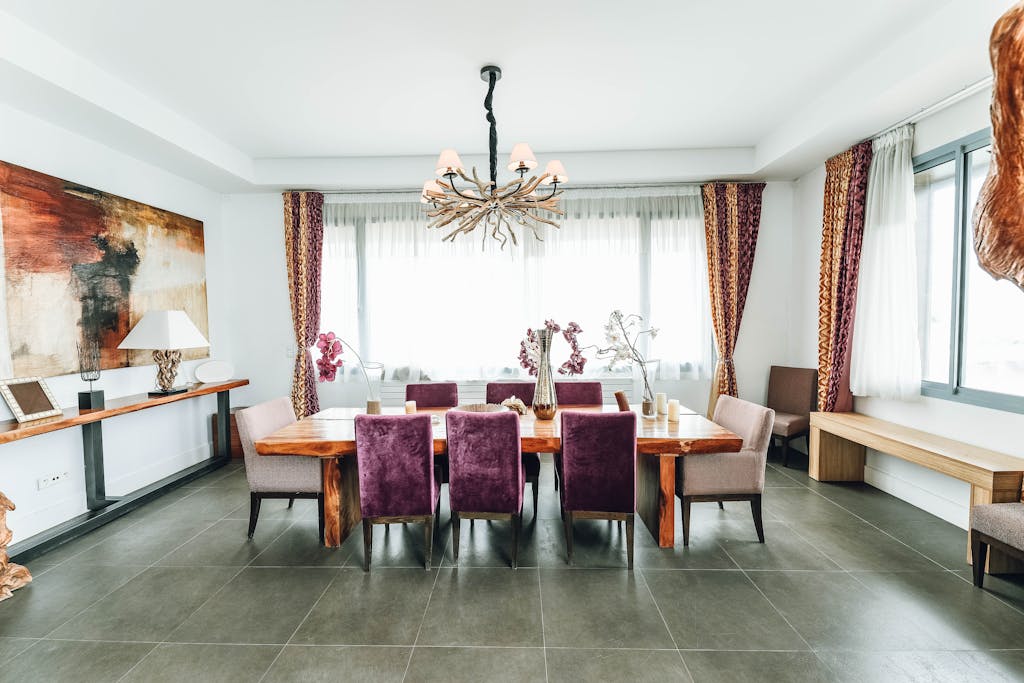
While the physical act of securing the fixture is critical, the functionality and aesthetic result depend entirely on correct placement. It is not sufficient for the fixture to simply replace the old light; it must be perfectly centered within the space it illuminates. In a dining room, the chandelier must be centered precisely over the dining table, regardless of where the old junction box was placed. In an entryway, it must be centered in the space to create the desired focal point.
Often, the existing junction box must be moved several feet to achieve this balance. Moving a junction box means rewiring the circuit, running the new wiring through joists, and patching the old location. This involves complex wiring work within the ceiling structure, and it is a task that must be done correctly to maintain code compliance and home safety. An electrician ensures that the fixture’s new location is both electrically safe and architecturally correct for the room’s design intent.
Furthermore, we advise on the best lighting type for the space. We look at the fixture’s lumens and color temperature. A large chandelier in a great room should use bulbs in the 2700K to 3000K range to create a warm, inviting ambient light. A professional installation ensures the right components are used so the light is not only secure but also provides the perfect atmosphere for your home.
Code Compliance and Liability Protection
Electrical work, especially installations involving new fixtures and high current circuits, is heavily regulated by the National Electrical Code. Failure to adhere to these standards creates immediate safety hazards. Wiring installations that are not done to code are a serious fire risk, and if a fire results from unpermitted or improperly executed electrical work, a homeowner’s insurance policy may refuse to cover the claim.
Hiring a licensed electrician eliminates this liability risk. Gragg Electrical Services guarantees that every step of the installation, from bracing the junction box to splicing the wires, is done in strict compliance with the NEC and East Canton local codes. We understand the specific requirements for dedicated circuits, proper grounding, and weight rating. A professional installation provides documentation and ensures your home retains its value, particularly during a future home sale when inspectors prioritize safety and code compliance.
The installation of a heavy chandelier or a large fixture on a high ceiling is a specialized job that requires specific equipment, technical knowledge, and an unwavering commitment to safety. The risks of a DIY attempt are substantial, ranging from personal injury due to a fall to structural and fire hazards resulting from an improperly supported or incorrectly wired fixture. Your new fixture is an investment in your home’s beauty. Protecting that investment requires professional care. Trust a licensed electrician to safely and securely mount your lighting, ensuring the job is done correctly the first time.