Winter Electrical Safety Tips for Your Home
As the temperatures drop in East Canton and the holiday season approaches, our homes rely heavily on electricity for warmth, light, and festive cheer. Winter is a beautiful time of year, but it also brings a significant increase in electrical demands and unique seasonal hazards. The simultaneous use of portable heaters, electric blankets, and extensive holiday lighting puts considerable stress on a home’s electrical system, especially in older houses. This seasonal surge in usage, combined with the presence of dry Christmas trees and flammable decorations, makes winter a peak season for residential electrical fires.
Protecting your home and family requires more than just checking smoke detectors; it demands a proactive approach to managing your seasonal electrical usage. Understanding where the common risks lie—from the dangers of space heaters to the proper handling of extension cords and outdoor circuits—is the first step toward a safe and worry free winter. Gragg Electrical Services is committed to helping East Canton homeowners identify and mitigate these risks before they turn into emergencies.
The Critical Danger of Portable Space Heaters
Portable electric space heaters are one of the most common causes of residential electrical fires during the winter months. While they offer targeted heat, they draw an immense amount of current and generate significant, concentrated heat, posing multiple safety risks if not used correctly.
The primary hazard is their high power draw. Most space heaters require a minimum of 1500 watts, which is the maximum safe load for a standard 15 amp household circuit. Plugging a single heater into a circuit that is already powering lights, a computer, and other devices can immediately overload the circuit, causing the wires in the wall to overheat. If the circuit breaker is old or faulty and fails to trip, the wires can continue to heat up to the point of ignition. This is why it is absolutely critical to plug space heaters directly into a wall outlet and never into an extension cord or a power strip, which are not rated to handle that continuous, high electrical load.
The second, non electrical hazard associated with space heaters is thermal. The heater itself, or the area around it, can reach very high temperatures. The National Fire Protection Association strongly recommends maintaining a three foot minimum distance between a space heater and any flammable materials. This includes furniture, curtains, bedding, rugs, and especially clothing. Never leave a space heater running unattended in a room, particularly overnight while sleeping or when leaving the house. If possible, consider replacing older, open coil heaters with newer models that have ceramic elements and tip over shut off features for enhanced safety.
Managing the Maze of Holiday Lighting and Decorations
Holiday decorations, while festive, introduce a temporary, complex electrical load and new points of failure into the home. Installing lights safely requires attention to detail, code requirements, and the integrity of the components themselves.
Before installing any string lights, carefully inspect them for damage. Look for frayed wires, cracked insulation, or loose sockets. Even a small crack in the wire casing can expose the conductor to moisture or metal surfaces, leading to a short circuit or shock hazard. Dispose of any damaged strands immediately. When connecting multiple strands, never exceed the manufacturer’s recommended limit, which is typically three sets maximum. Exceeding this limit causes excessive current draw and dangerously overloads the circuit.
Need an outdoor light installation? Click here for our outdoor lighting installation service.
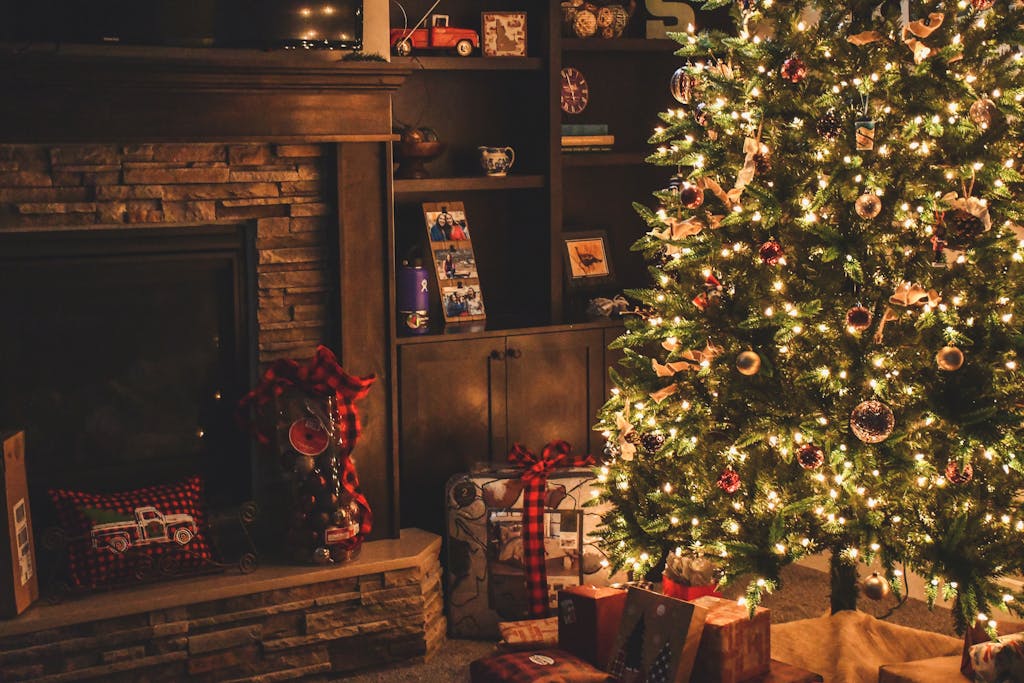
Indoor decoration placement also requires careful thought. If you use a real Christmas tree, its dryness poses an extreme fire risk, especially when combined with electrical lights. Use only lights certified by a recognized testing laboratory and check that they are firmly secured. Never use indoor rated lights outdoors, and vice versa. Outdoor lights are constructed with heavier insulation to withstand moisture and extreme temperatures, while indoor lights lack this protection. Always turn off all holiday lights, both indoor and outdoor, before leaving the house or going to bed.
Outdoor Electrical Safety in Icy Conditions
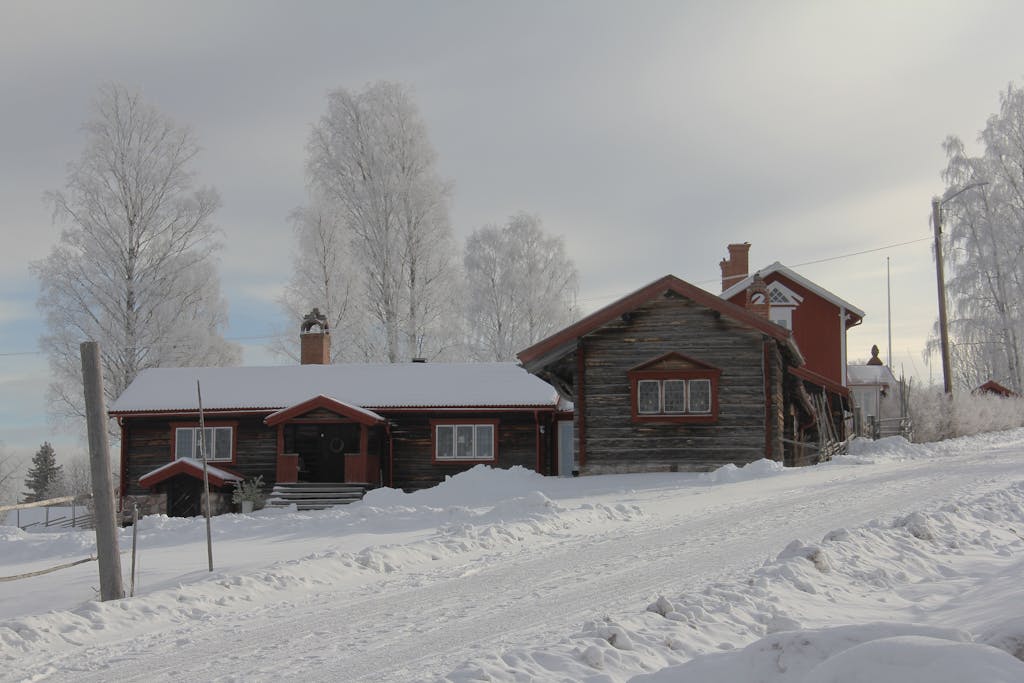
Winter conditions in East Canton, including heavy snow, ice, and freezing rain, pose a unique threat to outdoor electrical systems, particularly to Ground Fault Circuit Interrupter, or GFCI, outlets. GFCIs are designed to detect minute imbalances in the electrical current and trip instantly to prevent electric shock, especially in wet locations.
Outdoor GFCIs are legally required on all exterior outlets and are critical for winter safety. However, they can be prone to “nuisance tripping” during the winter. This occurs when moisture, snow melt, or ice seeps into the outlet cover, extension cord connection, or into the wiring of exterior lights, causing the current to divert slightly to the ground. The GFCI detects this leakage and trips the circuit to protect you. Before resetting a tripped outdoor GFCI, you must first inspect the area. Look for water intrusion, ice buildup, or damaged insulation on the connected cords. If the tripping is constant, the outlet or the protective cover may need replacement or repair.
When running extension cords for holiday displays, use only heavy duty, outdoor rated cords that are certified for cold weather use. Ensure all connections between the cord and the light strings are elevated off the ground, perhaps with a waterproof enclosure, to keep them out of snow and standing water. Never run extension cords under snow, where they can become damaged by shovels or foot traffic. For safety and code compliance, all outdoor lighting should ideally be plugged into dedicated, weather resistant GFCI outlets that are protected by bubble covers to keep moisture out.
Cords, Outlets, and Wiring Integrity
The integrity of your home’s fixed wiring, outlets, and the appliance cords themselves are severely tested during the winter. Increased power usage often exposes existing vulnerabilities, making winter a time when old, damaged components finally fail.
Inspect all appliance cords, including those for heating pads and electric blankets, before using them for the season. Look for signs of fraying, cracks, kinks, or scorching, particularly near the plug or where the cord enters the device. A damaged cord should never be used, as it can cause a short circuit, an electric shock, or a fire. Always replace the entire appliance, or have the cord professionally replaced if the appliance is very expensive. Never attempt to repair a frayed cord with electrical tape; this is a temporary fix that does not restore the insulation rating and is highly dangerous.
Hosting for the holidays? Click here on how to check your kitchen’s electrical load.
Outlets and switches should be regularly checked for signs of stress. If an outlet feels warm to the touch, if there is discoloration around the receptacle slots, or if a switch is buzzing, these are critical signs of a loose connection or an overload. Loose connections generate heat, which is a major fire hazard. If you detect any of these signs, immediately unplug the device and stop using the outlet until a licensed electrician can inspect and tighten the internal connections.
It is also crucial to avoid the temptation of running cords unsafely. Never run any electrical cord, especially extension cords, under rugs, carpets, or across doorways. Running a cord under a rug can cause it to wear and fray from foot traffic, damaging the insulation. Furthermore, a cord under a carpet traps heat generated by the wires, preventing it from dissipating, which can lead to overheating and fire.
Preparing the Electrical Panel and Generator
For East Canton homes, severe winter weather can mean power outages and reliance on auxiliary heat. Ensuring your electrical panel and any emergency generator are in peak condition is a vital component of winter readiness.

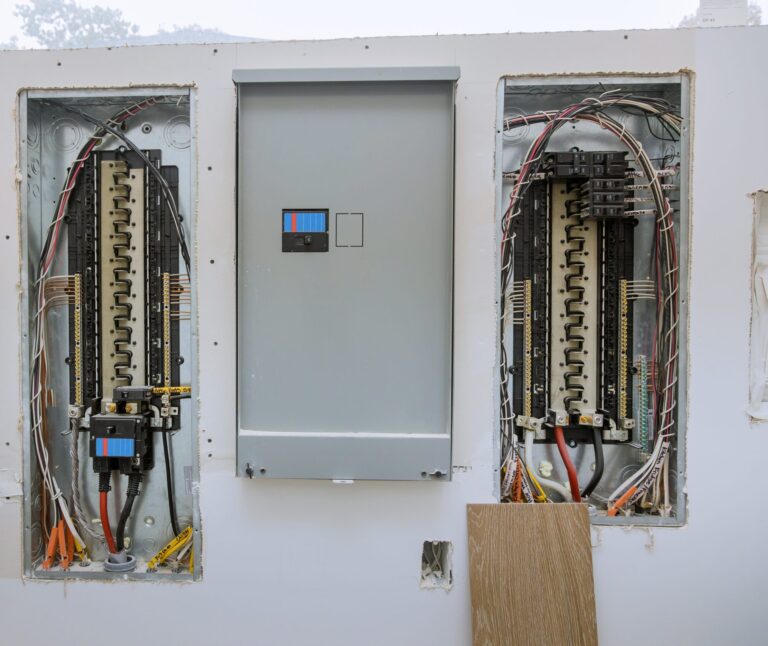
Your main electrical panel is the central nervous system of your home, and its functionality is critical when power demands are high. If your panel is outside, ensure that the exterior cover is properly sealed to prevent snow, ice, or water from entering the enclosure. Moisture inside the panel leads to rust, corrosion, and dangerous short circuits on the bus bars. For any panel, indoor or outdoor, verify that the area surrounding it is kept clear. Do not store boxes or flammable materials within three feet of the panel, as heat can be generated during peak use. If you have an older panel, such as a 100 amp service, consider a professional upgrade to a 200 amp service before the cold hits to handle the increased winter load safely.
If you rely on a portable or standby generator for backup power, pre-winter inspection is essential. Before the first freeze, you should: test run the generator to ensure it starts easily, check oil and fuel levels, and clear the area around the unit of any snow or debris. For generators connected to your home via a transfer switch, ensure the connection points are clean and fully functional. A generator should never be run inside a garage or too close to a window; carbon monoxide poisoning is a major risk. Always run the unit outdoors and far away from any doors or windows to allow for safe ventilation.
Winter safety in your East Canton home is deeply intertwined with electrical safety. The combination of increased heating and lighting loads, along with the specific hazards posed by space heaters and holiday decorations, demands proactive attention. By following basic precautions—such as never overloading circuits, inspecting all cords and devices for damage, and ensuring safe distances from heat sources—you can significantly reduce the risk of a dangerous electrical fire. Take the time now to assess your home’s electrical integrity, from the cords you use to the capacity of your main panel, to ensure your winter is safe, warm, and bright.