Why Your Water Heater May Need Its Own Dedicated Circuit
Hot water is easy to take for granted until the shower turns cold on a chilly October morning in East Canton. Most homeowners never think about the wiring behind the tank, yet that circuit works harder than almost any other one in the house. An electric water heater pulls a heavy and steady load every time it recovers, and forcing that load to share space with outlets, lights, or a laundry machine creates problems that show up slowly and then all at once. The National Electrical Code treats a fixed storage water heater as a continuous load for a reason, since the heating elements can run at full draw for long stretches. When that draw travels through a circuit that was never sized for it, you get nuisance tripping at best and overheated conductors at worst. Fall is a smart time to look into this, because incoming groundwater temperatures across Stark County drop steadily through the season and your heater runs longer to keep up with the same daily demand. This guide walks through what a dedicated circuit is, why your water heater almost certainly needs one, and how to tell if the wiring in your home was done correctly the first time.
What a Dedicated Circuit for a Water Heater Means in a Residential Panel
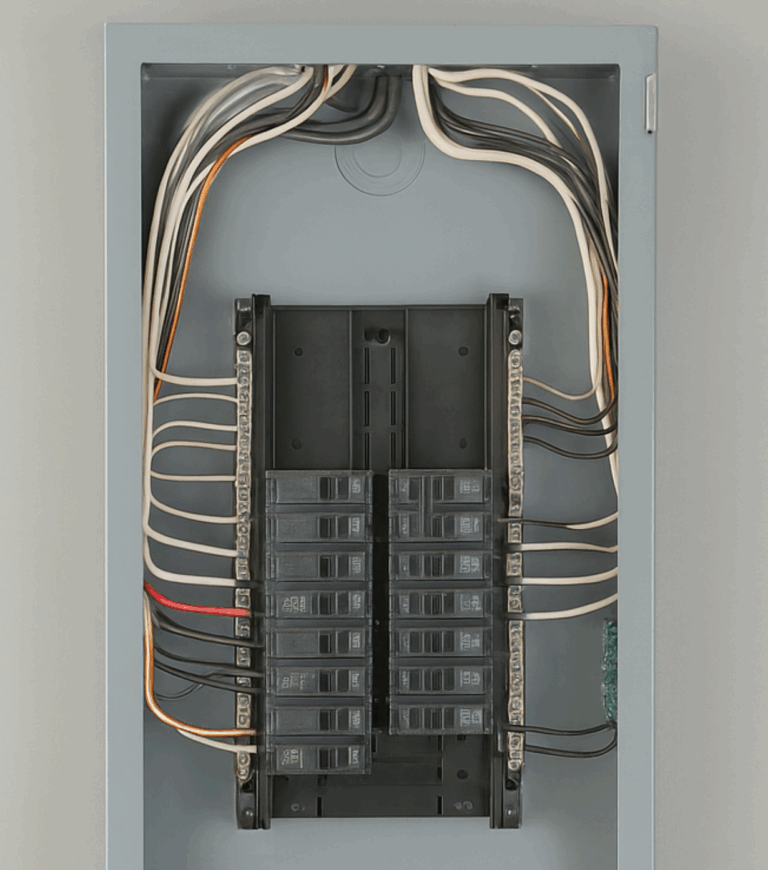
A dedicated circuit is a branch circuit that serves one appliance and nothing else, running from its own breaker in the panel directly to the equipment it powers. For an electric storage water heater, that almost always means a 240 volt circuit fed by a double pole breaker, with two ungrounded conductors and a ground. Nothing else taps into that circuit along the way; no bathroom receptacle, no basement light, no freezer in the corner. The reason comes down to how the appliance behaves once the thermostat calls for heat, because the elements draw near their full rated current continuously until the tank reaches temperature. Sharing that load with other devices pushes the total current past what the conductors and breaker were designed to carry safely. Code also limits how much of a branch circuit a fastened appliance may consume when that circuit also feeds lighting or receptacles, which effectively rules out sharing for a modern tank. A dedicated circuit removes all of that guesswork and gives the appliance the clean, predictable supply it was engineered around.
How a Dedicated Water Heater Circuit Protects Your Home
Electrical safety in a home comes down to keeping current inside the limits the wire and the breaker were built to handle, and a dedicated water heater circuit is one of the cleanest ways to guarantee that. When a water heater shares a circuit with other loads, the combined current can sit just under the breaker’s trip threshold for long periods without ever shutting anything off, which is exactly the condition that quietly cooks insulation inside a wall cavity. Heat degrades conductor insulation over years rather than minutes, so the damage accumulates out of sight and out of mind until a connection fails or a device melts. Terminations at the breaker, at the junction box on top of the tank, and at any splice along the way all suffer under sustained overload because resistance rises as connections loosen and oxidize. A dedicated circuit keeps the load steady and known, which means the breaker actually protects the wire the way it was intended to. It also makes the circuit predictable for anyone who works on the home later, since there is no mystery about what else might be riding on those conductors. Predictable wiring is safer wiring, and that principle holds true in every home we service across East Canton, Louisville, and Canton Township.
There is a second layer of protection that homeowners rarely consider, and that is isolation during a fault. If a water heater element fails and shorts to the tank, a dedicated circuit trips one breaker and takes down one appliance, leaving the rest of the home fully powered and functional. On a shared circuit, that same failure knocks out lighting, outlets, and anything else on the run, which turns a straightforward repair into a scramble in a dark basement. Isolation matters even more during Ohio storm season, when you may already be dealing with flickering power or a partial outage and need to troubleshoot quickly. Being able to shut off power to the water heater alone also lets a plumber or an electrician work safely without killing power to half the house. That single benefit pays for itself the first time someone needs to replace an element or a thermostat. Clear labeling on the panel directory turns that isolation into something any adult in the house can use in an emergency.
Grounding and bonding tie directly into this same protective picture, and both get inspected closely on water heater installations. The equipment grounding conductor in the branch circuit gives fault current a low resistance path back to the panel so the breaker opens fast instead of energizing the tank shell. Homes that use metal underground water piping as a grounding electrode also need bonding continuity maintained around the water heater, since dielectric unions and plastic sections can interrupt the path. We see missing bonding jumpers regularly in older Stark County homes where a tank was swapped out quickly and nobody restored what was removed. A dedicated circuit installed properly includes all of these details as a matter of course, not as an afterthought. Skipping them leaves a home with a grounding system that looks intact but does not function under fault conditions. If you want a professional set of eyes on your existing setup, click here for our electric water heater wiring service and we will verify every connection from the breaker to the tank.
Sizing the Dedicated Circuit for an Electric Water Heater
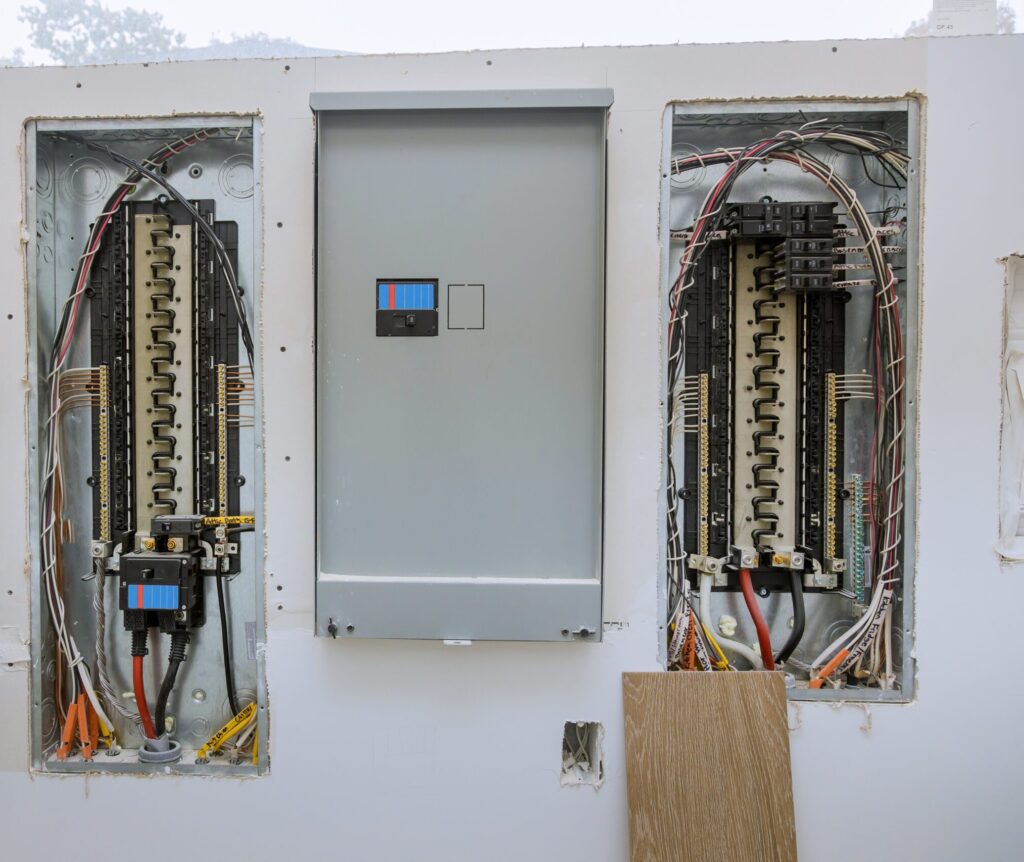
Sizing starts at the nameplate, never at a rule of thumb, because the appliance itself tells you exactly what it needs. A typical residential electric tank uses 4500 watt elements at 240 volts, which works out to 18.75 amps of draw. Code requires the branch circuit for a fixed storage water heater of 120 gallons or less to be sized at 125 percent of that rating, bringing the required capacity to roughly 23.4 amps. That calculation lands on a 30 amp double pole breaker fed by 10 AWG copper conductors, which is why the 30 amp and 10 gauge combination is so common in single family homes. Units with 5500 watt elements draw about 22.9 amps and still fall within the same 30 amp circuit after the continuous load multiplier is applied. Smaller point of use heaters and some compact tanks may call for less, and larger commercial style units call for considerably more. Reading the label takes seconds and prevents an expensive mistake that lasts for decades.
Most residential tanks use two elements wired so only one operates at a time, which keeps the total draw equal to the larger single element rather than the sum of both. That design detail is why a 4500 watt upper element and a 4500 watt lower element still fit comfortably on a 30 amp circuit. Some models are wired for simultaneous operation to speed recovery, and those absolutely require a larger circuit calculated from the combined wattage. Confusing the two is one of the more common errors we correct in the field, usually after a homeowner or a handyman installed a faster recovery unit on the old wiring. The breaker starts tripping during long showers, someone swaps in a bigger breaker without changing the wire, and now the conductors are protected by nothing meaningful. An oversized breaker on undersized wire is one of the most dangerous conditions in a residential panel because the failure mode is heat inside a wall rather than an obvious trip. Correct sizing means the breaker, the conductors, and the nameplate all agree with each other.
Conductor material, length, and installation method all factor into the final decision as well. Copper is the standard for these circuits in residential work, and 10 AWG copper handles a 30 amp water heater circuit under normal conditions. Aluminum requires a larger conductor size for the same ampacity and demands proper antioxidant compound and terminations rated for the material. Long runs from a detached garage or a far corner of a basement may need an upsize to manage voltage drop, since low voltage at the element slows recovery and stresses the equipment. The wiring method also matters, with NM cable common in finished areas and conduit often preferred in exposed basement or utility space. A disconnecting means is required as well, satisfied either by a breaker that can be locked in the open position or by a local disconnect within sight of the appliance. Every one of these choices gets documented on a permit and confirmed by an inspector, which is exactly how it should be.
Signs Your Water Heater Does Not Have a Dedicated Circuit
The clearest warning sign is a breaker that trips when the water heater runs alongside something else in the house. If the basement lights go dark during a long shower, or the freezer loses power when the tank recovers after laundry, those loads are almost certainly sharing a circuit. Homeowners often adapt to this behavior over years, learning to run the dishwasher at a different time or avoiding two showers in a row. That workaround masks a real wiring problem rather than solving it, and the underlying overload continues every time the pattern repeats. Another common clue is a warm or discolored breaker face in the panel, which points to a loose termination or sustained current beyond the breaker’s comfort range. Buzzing at the panel, a burnt smell near the tank, or scorch marks around the junction box all demand immediate attention. None of these symptoms improve on their own, and all of them get worse as connections degrade.
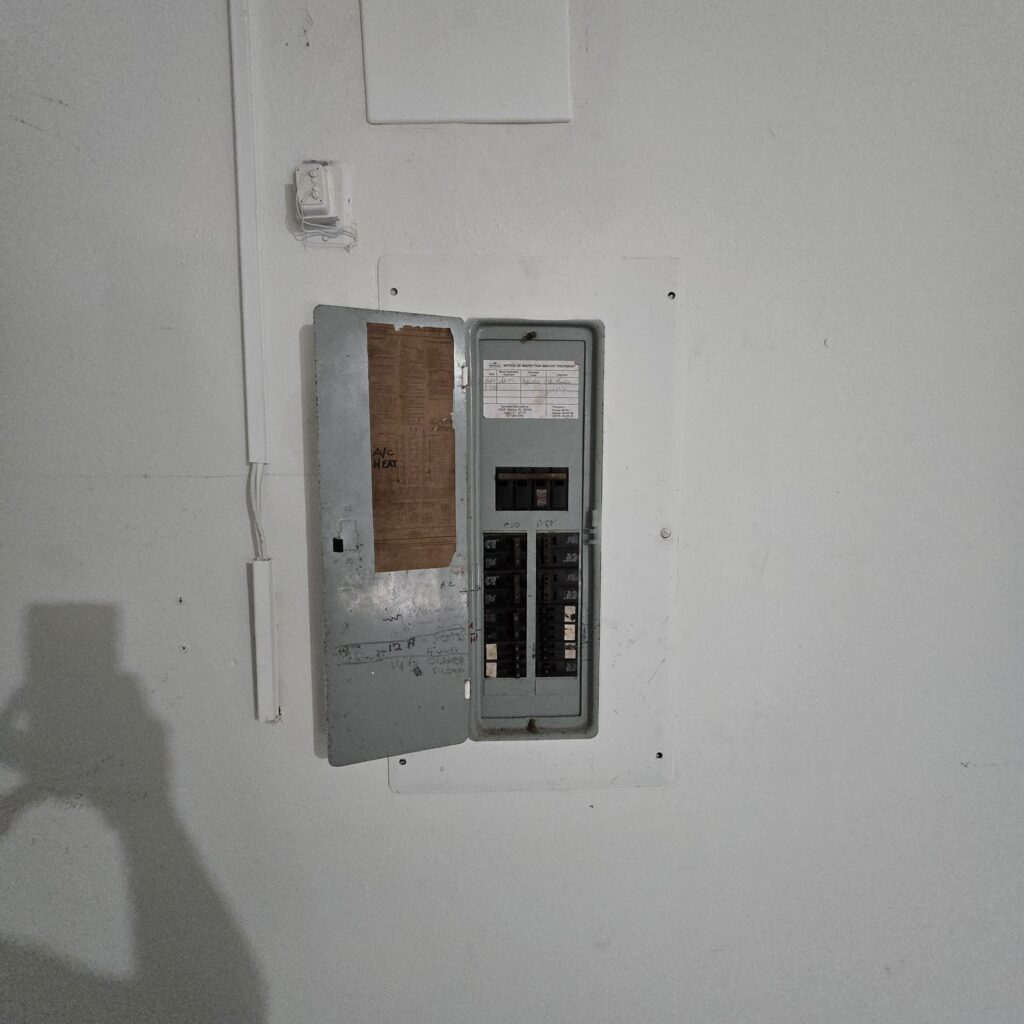
Panel inspection tells the rest of the story, and it usually takes only a few minutes for a trained eye. A dedicated 240 volt water heater circuit shows up as a double pole breaker with a single cable leaving it, typically labeled for the water heater on the panel directory. Missing or inaccurate labels are common in homes that have changed hands several times, and they often hide circuits that were extended informally at some point. Double tapped breakers, where two conductors land under a single terminal not rated for two, are a frequent finding in older Stark County panels and a red flag for shared loads. Cloth insulated wiring, aluminum branch circuits, and obsolete panel brands each add their own concerns to the assessment. A qualified electrician traces the actual circuit rather than trusting the directory, because labels reflect intent and not always reality. If you want documented answers about what is feeding what, click here for our electrical inspection service.
Performance problems can point to circuit issues too, though they are easy to blame on the tank itself. Water that turns lukewarm faster than it used to sometimes traces back to a failed element, and a failed element sometimes traces back to voltage problems on an undersized or overloaded circuit. Slow recovery after heavy use follows the same pattern, especially in fall and winter when incoming water arrives colder and the heater has more work to do per cycle. Homeowners frequently replace a perfectly good water heater only to watch the same symptoms return within months because nobody looked at the supply side. Checking voltage at the appliance under load separates an equipment problem from a wiring problem quickly and inexpensively. That single diagnostic step has saved plenty of our customers the cost of an unnecessary tank replacement. Diagnosing the circuit first is simply the smarter order of operations.
When Homes in East Canton Need a Dedicated Water Heater Circuit Installed
Not every home needs new wiring, but a surprising number of situations trigger the need for a dedicated water heater circuit that did not exist before. Fuel conversions, equipment upgrades, remodels, and additions all change the electrical picture in ways that go beyond simply plugging in a new appliance. Older homes in East Canton and the surrounding townships were often built around a much lighter electrical load than families place on them today. A 100 amp service that comfortably ran a gas furnace, a gas water heater, and a handful of appliances can run short once electric heating equipment enters the mix. Adding a dedicated circuit is rarely difficult on its own; the complication comes from finding the capacity in the panel to support it. Permits and inspections apply to this work in Ohio, and skipping them creates insurance and resale headaches down the road. Planning the job correctly the first time avoids all of that.
Replacing a Gas Unit and Adding a Dedicated Water Heater Circuit
Converting from a gas water heater to an electric model is one of the most common reasons a home suddenly needs a new dedicated circuit. Gas tanks either need no electricity at all, in the case of standing pilot models, or need only a modest 120 volt supply for a power vent blower and control board. Electric tanks change that equation entirely by requiring a 240 volt circuit with substantial capacity, which almost never exists in a space that previously held a gas unit. The work involves running new conductors from the panel to the appliance location, installing a properly sized double pole breaker, and providing an approved disconnecting means. Utility room layout, joist runs, and finished ceilings all affect how the cable gets routed and how much labor the job requires. Homeowners are often surprised that the electrical portion of a conversion can rival the plumbing portion in scope. Planning both trades together keeps the project on schedule and avoids a tank sitting in place with no power to it.
Power vent gas water heaters deserve their own mention because they occupy a middle ground that trips people up. These units use an electric blower to push exhaust through PVC venting, and manufacturers generally specify a 120 volt supply on a dedicated 15 amp circuit. The load is small compared to an electric tank, but dedication still matters because a blower that loses power in the middle of a burn cycle triggers a lockout and leaves the household without hot water. Plugging one into a shared basement receptacle alongside a sump pump, a dehumidifier, and a shop vacuum invites exactly that kind of interruption. GFCI protection requirements in unfinished basement areas add another consideration, since nuisance tripping on a shared device takes the heater down with it. Installing a properly located dedicated receptacle solves the problem cleanly and costs far less than repeated service calls. It also gives the appliance a code compliant home rather than an extension cord and a prayer.
Timing matters more than most homeowners expect on a conversion, particularly heading into the colder months. Once the old tank comes out, the household is without hot water until the new one is fully connected and energized, so having the circuit ready in advance shortens that window dramatically. We regularly run the new circuit before the plumbing swap so the changeover happens in a single day rather than across several. Coordinating in advance also lets us evaluate panel capacity and address any shortfall before it becomes an emergency. Fall and early winter are our busiest stretch for this work, since families notice hot water issues right as the weather turns. Booking ahead of the rush gets you a scheduled appointment instead of an urgent one.
Heat Pump and Tankless Models That Require a Dedicated Water Heater Circuit
Heat pump water heaters, sometimes called hybrid models, have become popular for their efficiency and their operating cost savings over conventional electric tanks. Most full size units run on a 240 volt dedicated circuit protected by a 30 amp double pole breaker, similar to a standard electric tank but with different installation considerations. These units pull heat from surrounding air, so they need adequate room volume, decent ambient temperature, and a plan for condensate drainage. Newer 120 volt models designed to plug into a standard receptacle have entered the market, and manufacturers still call for a dedicated circuit even on those. The lower voltage versions recover more slowly, which makes them a better fit for smaller households than for a family of five taking back to back showers. Reviewing the specification sheet before purchase prevents an unwelcome surprise on installation day. We are glad to review any model you are considering before you buy it.
Electric tankless water heaters demand far more electrical capacity than anything else in this category, and that reality catches many homeowners off guard. A whole home electric tankless unit sized for northern Ohio groundwater temperatures commonly falls in the range of 24 to 36 kilowatts, since colder incoming water requires more energy to raise to usable temperature. That translates to multiple dedicated circuits, often three or four double pole breakers at 40 or 60 amps each, feeding a single appliance. Very few homes with 100 amp or 125 amp service can support that load without a service upgrade, and even 200 amp services require a careful load calculation. The installation also involves larger conductors, dedicated panel space, and careful attention to voltage drop on the runs. Skipping the load calculation leads to a unit that delivers disappointing temperatures during winter months when it matters most. Honest math up front is the only way to know if electric tankless makes sense for a particular home.
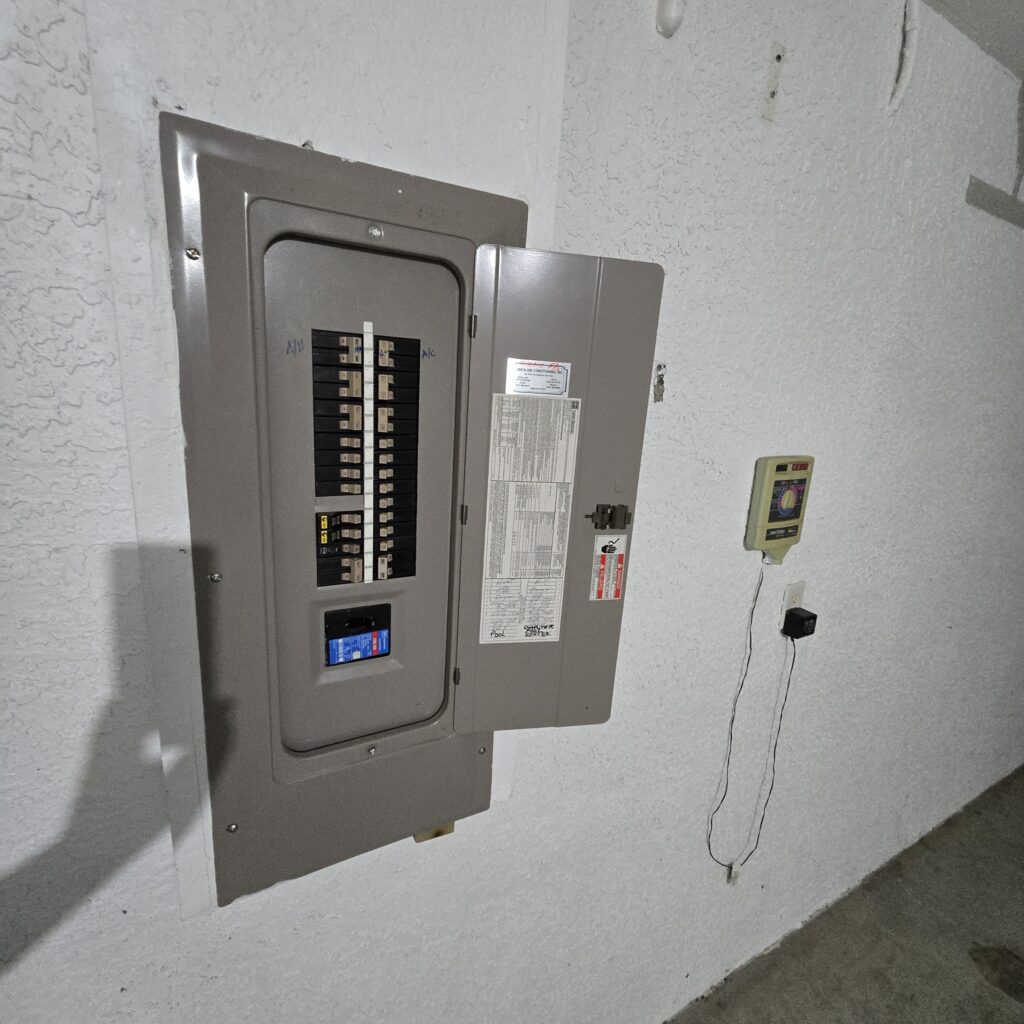
Panel capacity is the deciding factor in nearly every one of these conversations, and it deserves a straight answer rather than optimism. A proper load calculation accounts for the general lighting load, small appliance circuits, laundry, HVAC equipment, ranges, dryers, and any other fastened equipment in the home. When the numbers come back tight, options include a service upgrade, a subpanel to gain breaker spaces, or choosing equipment that fits the existing capacity. Older panels also raise questions about breaker availability, bus condition, and known problem brands that no longer meet safety expectations. We would rather tell a customer that their panel needs attention before installation than let them discover it after the new appliance is on site. If capacity is your concern, click here for our electrical panel upgrade service and we will run the calculation for you.
Remodels and Additions That Change Your Dedicated Water Heater Circuit Needs
Home additions and finished basements frequently relocate the water heater or add a second unit, and both scenarios require fresh circuit planning. Moving a tank from one end of a basement to the other means a new home run from the panel rather than an extension of the existing cable. Splicing additional length onto an existing water heater circuit is possible in an accessible junction box, but it introduces connection points that add resistance and require permanent access. A clean home run avoids those compromises and gives the appliance the same quality of supply it had before the remodel. Adding a second water heater for a mother in law suite or a finished lower level bathroom means a second dedicated circuit with its own breaker and its own calculation. Each unit is evaluated independently, and both feed into the overall service load calculation for the property. Planning this during the framing stage costs a fraction of what it costs after drywall.
New construction gives us the cleanest opportunity to get this right, since conductors can be routed before insulation and drywall go in. Builders and homeowners working with us on new homes across Lake Township, Green, and Hartville benefit from having water heater circuits roughed in with the correct conductor size, breaker space reserved, and disconnect location established. That foresight matters most when a homeowner later decides to switch from a conventional tank to a heat pump model or add capacity for a growing family. Leaving room in the panel and running slightly generous conduit where practical costs very little during construction. Retrofitting the same capability later involves opening walls, pulling permits, and paying for labor that could have been avoided. Good planning at the rough in stage is one of the least expensive investments in a new home. It pays off every time the equipment changes over the next thirty years.
Kitchen and bathroom remodels indirectly affect water heater circuits more often than people realize, mostly through panel space competition. A remodel that adds a dedicated circuit for a microwave, a dishwasher, a disposal, and bathroom receptacles can consume the last available spaces in a panel. When the water heater later fails and the replacement needs a different circuit configuration, there is nowhere left to put it. We look at the whole panel during any remodel we touch so future needs stay possible rather than blocked. Tandem breakers help in some panels but are not permitted in all of them, and the bus rating still caps total capacity. Thinking a few years ahead during a remodel keeps options open and prevents an expensive corner. That kind of planning is part of every project we take on.
Why You Need a Licensed Electrician for Dedicated Water Heater Circuit Work
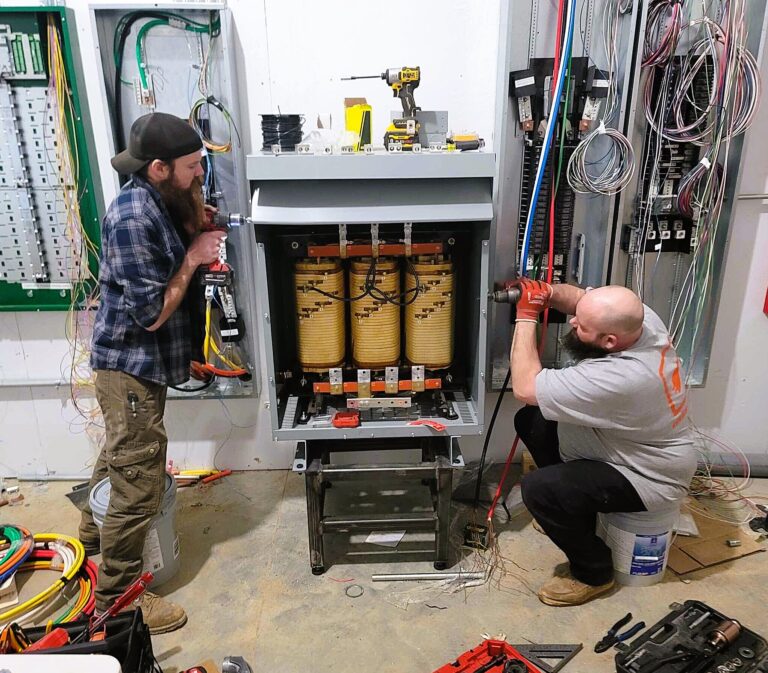
Water heater circuits combine high voltage, sustained current, and water in the same small space, which is not a combination worth experimenting with. The work involves panel access, correct breaker selection, proper conductor sizing, secure terminations, grounding, bonding, and an approved disconnecting means. Every one of those items is inspected in Ohio for good reason, and each one has a failure mode that can start a fire or energize metal that people touch. Permits protect homeowners by putting a second set of trained eyes on the installation before it gets covered up. Doing this work correctly also protects your homeowners insurance position and keeps your property clean for a future sale. Gragg Electrical Services handles the entire process from load calculation through final inspection so you never have to guess.
What to Expect During a Dedicated Water Heater Circuit Installation
The visit starts with an assessment of the panel, the appliance nameplate, and the physical route between the two. We confirm available capacity, identify the correct breaker, and plan the cable path with attention to accessibility and support requirements. You will get a clear explanation of what the job involves and a firm quote before any work begins, with no surprises added later. Most standard installations finish within a few hours, though longer runs and finished ceilings add time to the schedule. We coordinate with your plumber when the circuit is part of a larger equipment swap.
Installation itself follows a consistent process that keeps the home clean and the work verifiable. Power to the panel is shut off and confirmed dead before any conductor lands, and the new breaker is installed on a bus location appropriate for the load. Conductors are routed, secured at required intervals, and protected where they pass through framing members. Terminations at both ends get torqued to manufacturer specifications, which is a detail that separates lasting connections from ones that loosen and heat up. The panel directory is updated so the new circuit is clearly labeled for anyone who opens the cover later.
Final steps confirm that everything works the way it should before we leave your home. We verify voltage at the appliance, check the disconnecting means, confirm grounding and bonding continuity, and test operation under load. Debris gets cleaned up, drop cloths come out, and the work area is left the way we found it. Any permit and inspection requirements are handled on our end so you are not chasing paperwork. You get straight answers to any questions before we pull out of the driveway.
The Cost of Skipping a Dedicated Water Heater Circuit
The immediate savings from cutting corners on this work never come close to matching the eventual expense. Overloaded conductors damage insulation permanently, and repairing that damage often means opening finished walls to replace cable that could have been installed correctly the first time. Failed elements, burned thermostats, and shortened tank life all trace back to supply problems that go unaddressed for years. Replacing a water heater ahead of schedule costs far more than the circuit work that would have prevented it. Small savings today have a way of becoming large invoices later.
Insurance and resale considerations create a second layer of risk that homeowners tend to discover at the worst moment. Unpermitted electrical work shows up during a home inspection and gives buyers leverage to demand repairs or reduce their offer. Claims following an electrical fire face additional scrutiny when the work behind the failure was never inspected or permitted. Documentation of properly permitted work protects your position in both situations. Keeping records of what was done and when is simply good ownership.
Safety remains the reason that outweighs all the financial arguments combined. Electrical failures in and around water heaters occur in basements and utility closets where nobody is watching, often overnight while a family sleeps. Overheated terminations, damaged insulation, and missing bonding each create conditions that develop quietly and fail suddenly. Nobody expects the failure until it happens, and by then the choices are gone. Getting the circuit right removes that entire category of risk from your home.
Why Choose Gragg Electrical Services for Your Dedicated Water Heater Circuit
Gragg Electrical Services brings more than 20 years of proven local experience to homes throughout East Canton, Canton, Louisville, North Canton, Massillon, and the surrounding communities. We back our work with a Lifetime Craftsmanship Guarantee, which means the quality of the installation is our responsibility and not yours. Our crews show up respectful, clean, and professional, and they treat your home the way they would treat their own. We explain the work in plain language before we start and answer questions honestly rather than upselling equipment you do not need. That approach has earned us long standing relationships with families across Stark County.
Availability matters when hot water disappears without warning, and our 24/7 emergency services are always on standby for exactly those calls. A tripped breaker that will not reset or a burning smell near the panel is not a problem that waits until Monday morning. We answer the phone, we get a qualified electrician to your door, and we make the situation safe before we discuss anything else. Financing is available through GreenSky and Turns for larger projects such as panel upgrades and service changes. Cost should never be the reason a home stays unsafe.
Reach out at (330) 488-8009 or email info@graggelectrical.com to schedule an assessment of your water heater circuit before the coldest part of the season arrives. Our team is based at 333 Cedar St S in East Canton, and we are proud to serve the communities right around us. We will inspect the existing wiring, calculate what your equipment requires, and give you a clear recommendation with a firm price. If everything checks out, we will tell you that too, because honest answers build the trust that keeps customers calling us for decades. Give us a call and let us take one more worry off your list this fall.