How to Add Exterior Lighting Before Daylight Saving Time Ends
Daylight Saving Time ends on the first Sunday of November, and sunset in East Canton will arrive before dinnertime once the clocks fall back. That change catches many homeowners off guard, and dark driveways, unlit porches, and shadowy walkways become daily frustrations almost overnight. The best time to add exterior lighting is now, while the weather is warm and installation crews can trench, wire, and mount fixtures without fighting frozen ground. Planning ahead also gives you time to choose fixtures that fit your home instead of grabbing whatever is left on the shelf in October. Exterior lighting improves safety, deters break ins, and makes your property usable long after the sun goes down. It also adds curb appeal that pays off when neighbors and future buyers see your home at night. A licensed electrician can design a system that covers entry points, landscaping, and outdoor living spaces on properly protected circuits. This guide explains how to plan the project and what professional installation involves. Ready to get started? Click here for our outdoor lighting installation service.
Planning Your Exterior Lighting Installation Before Daylight Saving Time Ends
A successful exterior lighting installation starts with a plan, not a shopping cart. Walk your property at dusk and note where darkness creates problems; the front entry, the garage approach, and the back patio are common trouble spots. Think about how you actually use your yard in fall and winter, because November darkness arrives around 5:15 PM in Stark County. Consider security needs first, then layer in accent and landscape lighting for beauty. Measure distances from your electrical panel or nearest outdoor circuit to each proposed fixture location. Longer runs may require new circuits, and that affects both cost and timeline. Photograph your home at night from the street to see what visitors and passersby see. A clear plan keeps the project on budget and gets it finished well before the time change.
Choosing the Right Fixtures for Exterior Lighting Installation
Fixture selection is the most visible decision in any exterior lighting installation, so take your time here. Wall lanterns flank doors and garage bays, and they should be roughly one third the height of the door for proper scale. Post lights and bollards define driveways and long walkways where wall mounted fixtures cannot reach. Floodlights and motion activated security lights belong at corners, above garage doors, and near gates where intruders might approach. Path lights guide foot traffic and prevent trips on steps, pavers, and grade changes. Every fixture you choose must carry a wet or damp location rating from UL or ETL, depending on its exposure to weather. Cheap fixtures with thin housings corrode quickly in Ohio winters and often fail within a few seasons. Spending a little more on cast aluminum or brass housings saves you replacement costs down the road.
LED technology should be your default choice for every exterior lighting installation in 2026. LED fixtures use up to 80 percent less electricity than old halogen or incandescent lamps, and they last 25,000 hours or more. That lifespan matters outdoors, because nobody wants to climb a ladder in January to swap a burned out bulb. Pay attention to color temperature, which is measured in Kelvin. Warm white light around 2700K to 3000K flatters brick, stone, and siding, while cooler light near 4000K works well for security floods. Lumens measure brightness, and a front porch typically needs 400 to 800 lumens while a security flood may push 2,000 or more. Mixing color temperatures randomly makes a home look disjointed at night. Pick one warm tone for decorative fixtures and reserve cooler output for task and security lighting.
Style matters, and your fixtures should match the architecture of your East Canton home. A century farmhouse looks right with gooseneck barn lights, while a modern build calls for clean cylinder sconces. Finish choices like black, bronze, and brushed nickel should coordinate with your door hardware and house numbers. Consider dark sky friendly fixtures that direct light downward, because they reduce glare and keep peace with the neighbors. Full cutoff designs also put light where you need it instead of wasting it in the sky. Look at photometric data or showroom displays before buying, since a fixture that looks great in a catalog may throw harsh shadows in real life. Buy all matching fixtures at once, because manufacturers discontinue finishes and styles constantly. Ordering early in fall also avoids the supply crunch that hits every year right before the holidays.
Mapping Out Zones for Your Exterior Lighting Installation
Professional designers break every exterior lighting installation into zones, and you should too. Zone one covers entries and approach paths, which are the areas guests and family use every single day. Zone two handles security, including driveways, side yards, garage perimeters, and any dark corner near a window or door. Zone three is landscape and accent lighting for trees, garden beds, stonework, and architectural features. Zone four covers outdoor living spaces such as patios, decks, pergolas, and pavilions. Each zone has different brightness needs, different control needs, and often different circuit requirements. Sketch your property on paper and mark every proposed fixture with its zone number. That sketch becomes the roadmap your electrician uses to price and build the system.
Zoning also determines how you switch and control everything after the exterior lighting installation is complete. Entry lighting should run on a dusk to dawn photocell or an astronomic timer so it never depends on someone remembering a switch. Security floods work best on motion sensors with adjustable sensitivity and shutoff delay. Landscape zones benefit from timers that shut down at midnight to save energy while you sleep. Patio and deck lighting should stay on manual switches or dimmers, since you only need it when you are outside. Separating zones on different controls prevents the all or nothing problem where one switch blasts the entire property. It also lets you dim accent lighting for ambiance while keeping walkways bright for safety. Good zoning turns a pile of fixtures into a system that runs itself.
Smart controls take zoned exterior lighting installation to another level, and fall is a great time to add them. App based systems let you adjust schedules from your phone when Daylight Saving Time ends, instead of climbing behind bushes to reset mechanical timers. Smart switches and plugs can randomize lighting while you travel for Thanksgiving, which makes the house look occupied. Voice control through common home assistants lets you flip on the floods without leaving the couch. Many systems tie into cameras and doorbells, so lights snap on when motion is detected at the door. Color tunable landscape systems can even shift to festive colors for holidays without any extra wiring. These upgrades pair naturally with a broader connected home plan. Want your lights, cameras, and thermostat working together? Click here for our smart home installation service.
Setting a Budget for Exterior Lighting Installation
Budget drives every exterior lighting installation, so build yours with real numbers instead of guesses. A basic project that adds two wall lanterns and a motion flood on existing circuits might land under a thousand dollars. A full property design with new circuits, trenching, post lights, landscape zones, and smart controls can run several thousand or more. Fixture prices range from 50 dollars for builder grade lanterns to 500 dollars and up for cast brass landscape heads. Labor depends on circuit length, trenching distance, siding type, and panel capacity. Homes with full panels sometimes need a subpanel or service upgrade before new outdoor circuits can be added. Get a written estimate that itemizes fixtures, wire, trenching, and controls so you can adjust the scope. Knowing the numbers up front prevents the half finished project that stalls when money runs out.
Prioritize spending in the order that protects your family during an exterior lighting installation. Safety lighting at steps, entries, and grade changes comes first, because falls in the dark cause real injuries. Security lighting at doors, the driveway, and dark side yards comes second. Accent and landscape lighting comes last, and it can always be phased in next spring. Ask your electrician to install conduit and junction points for future zones during the initial trenching. Running empty conduit now costs very little and saves you from digging up the yard twice. Phasing a project this way spreads cost over two seasons without compromising the final design. It also gets the critical lighting done before the November time change.
Remember that quality exterior lighting installation pays you back over time. LED fixtures cut electricity use dramatically compared to the halogen floods still hanging on many East Canton homes. Motion sensors and timers cut waste further by running lights only when needed. Insurance companies sometimes offer discounts for documented security lighting improvements. Well lit homes also suffer fewer break ins, and the FBI has long noted that burglars prefer dark, concealed entry points. Real estate agents consistently list exterior lighting among the highest impact curb appeal upgrades for resale. Financing can make the full project affordable right now instead of piece by piece. Gragg Electrical Services offers financing through GreenSky and Turns, so ask about payment options during your estimate.
How a Licensed Electrician Handles Outdoor Lighting Wiring
Outdoor lighting wiring is not the same as running a lamp cord across the living room, and the National Electrical Code treats it seriously. Wet locations, buried cable, and freeze thaw cycles create hazards that indoor wiring never faces. A licensed electrician selects the right cable type, buries it at the correct depth, and protects every circuit with the proper breakers and GFCI devices. Direct burial cable rated UF must sit at least 24 inches deep in most cases, while cable in rigid conduit can be shallower. Connections must live inside weatherproof boxes with proper gaskets, not twisted together under a rock. Improper outdoor wiring causes shocks, nuisance tripping, and fires, and it fails inspection when you sell the home. Professional installation also comes with permits and inspections that protect you legally. Here is what that process looks like on a real job.
Running Safe Circuits for Outdoor Lighting Wiring
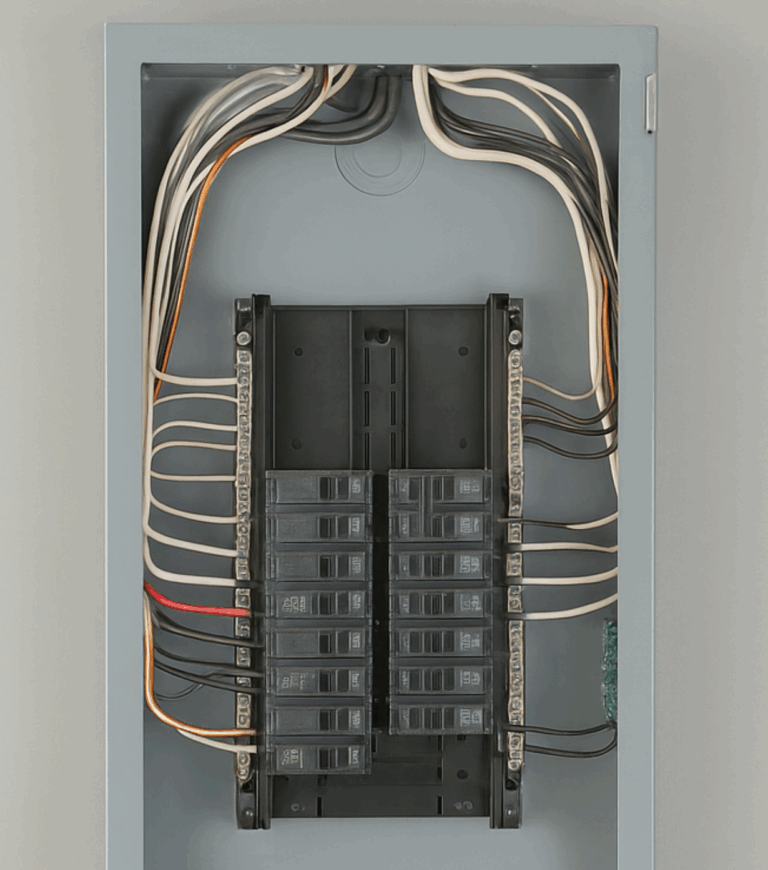
Every outdoor lighting wiring project starts at the electrical panel, where your electrician confirms there is capacity for new load. LED systems draw very little power, but code still requires properly sized breakers and conductors for each circuit. The electrician calculates the total load, selects wire gauge based on distance and amperage, and plans the route from panel to fixtures. Voltage drop matters on long runs, because undersized wire makes distant fixtures dim and forces components to work harder. A 150 foot run to a back pavilion may need heavier gauge wire than the same fixtures mounted by the front door. Exterior penetrations through walls get sealed against water and pests. Cable that transitions from inside to outside must be rated for wet locations from that point on. These details separate professional work from weekend shortcuts.
Trenching is the muddy heart of most outdoor lighting wiring jobs, and depth requirements are strict. UF cable buried directly in soil needs 24 inches of cover in ordinary locations under the NEC. PVC conduit reduces that to 18 inches, and rigid metal conduit can go as shallow as 6 inches in some situations. Low voltage landscape wiring has shallower requirements, which is one reason 12 volt systems are popular for garden beds. Before any digging starts, Ohio law requires a call to 811 so utilities can mark gas, water, and communication lines. Striking a buried gas line turns a lighting project into an emergency in seconds. Your electrician handles the locate request, digs to code, and lays warning tape above the cable where required. Backfilling correctly protects the cable from future shovel strikes.
Line voltage and low voltage systems both have a place in outdoor lighting wiring, and many properties use both. Line voltage at 120 volts powers security floods, post lights, and outlets, and it delivers full brightness over long distances. Low voltage systems step power down to 12 volts through a transformer, which makes them safer to bury shallow and easier to adjust later. Landscape accent lights, path lights, and deck lights usually run on low voltage. The transformer itself must connect to a GFCI protected outdoor outlet installed to code. Mixing systems requires planning so transformers are sized correctly with headroom for future fixtures. An overloaded transformer runs hot, shortens fixture life, and can fail early. A licensed electrician sizes everything on paper before a single wire goes in the ground.
GFCI Protection and Outdoor Lighting Wiring Requirements
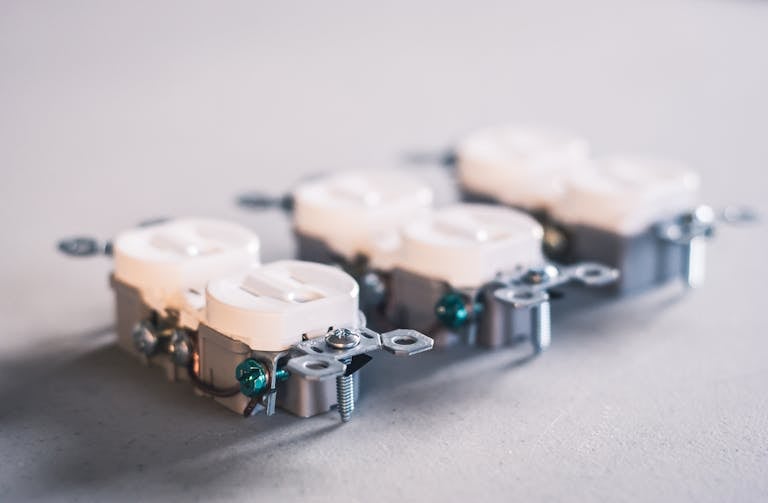
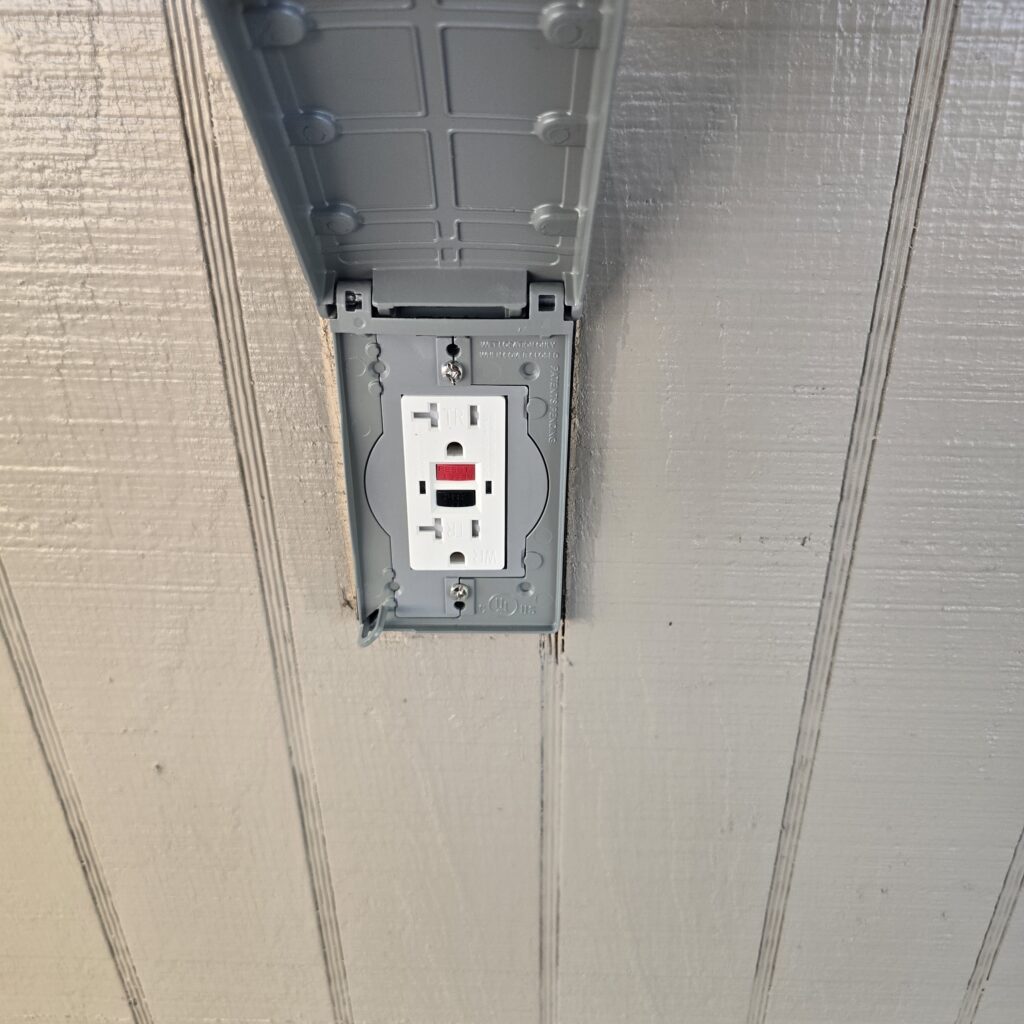
GFCI protection is non negotiable in outdoor lighting wiring, and the NEC requires it for outdoor receptacles at dwellings. A ground fault circuit interrupter senses tiny current leaks to ground and cuts power in a fraction of a second. Outdoors, where rain, snow, and wet grass surround every circuit, that protection prevents deadly shocks. GFCI protection can live in the breaker at the panel or in the first receptacle on the circuit. Landscape transformers, holiday lighting outlets, and any receptacle serving outdoor equipment all need it. Older homes around Canton often have outdoor outlets with no GFCI protection at all, which fails modern code. Adding lighting is the perfect time to correct those gaps. Need outlets brought up to code? Click here for our GFCI outlet installation service.
Weatherproofing goes hand in hand with GFCI protection in every outdoor lighting wiring job. Outdoor receptacles in wet locations require covers rated to keep water out even while a cord is plugged in. Standard flip covers only protect an outlet when nothing is plugged into it, which is useless for a landscape transformer running all night. Boxes, gaskets, and fittings must carry wet location listings and be installed with proper sealant. Fixtures mounted under covered porches can use damp rated equipment, while anything exposed to direct rain needs wet rated gear. Corrosion resistant screws and stainless hardware prevent the rusted messes that plague cheap installations. Every splice belongs inside a listed enclosure, never floating in the soil wrapped in tape. Water finds every shortcut, and shortcuts outdoors always fail.
Grounding and bonding complete the safety picture for outdoor lighting wiring. Metal fixtures, posts, and boxes must connect to the equipment grounding conductor so a fault trips the breaker instead of energizing the metal. A corroded or missing ground turns a lamp post into a shock hazard waiting for a wet hand. Ohio inspectors check grounding carefully on permitted outdoor work, and for good reason. Systems near pools, hot tubs, and ponds face even stricter bonding rules under Article 680 of the NEC. Lighting within reach of water must meet distance and protection requirements that most homeowners have never heard of. This is exactly why licensed installation matters more outdoors than almost anywhere else. Gragg Electrical Services pulls permits, follows the code, and stands behind the work with a lifetime craftsmanship guarantee.
Adding Timers and Smart Controls to Outdoor Lighting Wiring
Controls are the finishing touch on outdoor lighting wiring, and they matter even more once Daylight Saving Time ends. A photocell turns lights on at dusk and off at dawn automatically, with no reprogramming ever needed. Astronomic timers calculate sunset for your exact location and adjust all year, which solves the time change problem permanently. Mechanical timers still work, but they need manual correction every March and November. Your electrician wires controls at the switch, in the fixture, or at the panel depending on the system. Placement matters, because a photocell mounted where porch light hits it will cycle on and off all night. Motion sensors need aiming and sensitivity adjustment so raccoons do not light up the yard at 3 AM. Professional setup means the system just works from night one.
Smart switches bring outdoor lighting wiring into the app era without replacing every fixture. A smart switch installed at the existing switch location controls the whole circuit from your phone. Schedules adjust automatically for sunset, and the time change in November becomes a non event. Geofencing can turn on the driveway lights when your car gets within a mile of home. Vacation modes randomize on and off times so the house never looks empty. Most smart switches require a neutral wire in the switch box, which older Stark County homes sometimes lack. An electrician can pull a neutral or select a switch designed for older wiring. Small details like that decide if smart controls work reliably or frustrate you daily.
Dimming and scene control complete a modern outdoor lighting wiring package. Dimmable LED drivers let you run the patio at 30 percent for dinner and 100 percent for cleanup. Scenes group zones together, so one tap sets entry, path, and accent lights for guests. Holiday scenes handle porch outlets for seasonal displays without extension cord chaos. Load compatibility matters, because pairing the wrong dimmer with an LED fixture causes flicker and buzzing. A licensed electrician matches dimmers to drivers so everything runs smooth and silent. Controls installed now will save you frustration on the first dark evening in November. The goal is lighting you never have to think about.
Why You Need Professional Exterior Lighting Installation in East Canton
The weeks before Daylight Saving Time ends are the deadline for getting exterior lighting done right. Warm soil, mild evenings, and open scheduling make early fall the ideal installation window in Stark County. Wait until November and you will face frozen ground, holiday backlogs, and weeks of stumbling to the door in the dark. Professional exterior lighting installation delivers safety, security, and curb appeal in a single project. It also protects your home from the fire and shock risks that follow amateur outdoor wiring. Gragg Electrical Services has been lighting up East Canton homes for more than 20 years, and we are ready to light up yours.
The Safety Benefits of Professional Exterior Lighting Installation
Professional exterior lighting installation protects your family every single night. Well lit steps, walkways, and driveways prevent the falls that spike every winter when ice hides in the dark. Older family members and visitors benefit most, since night vision declines with age. Bright entries let you see who is at the door before you open it. Motion floods eliminate the blind spots where trouble likes to hide. Every one of those benefits depends on fixtures placed correctly and wired safely.
Professionally installed exterior lighting installation also protects your home itself. Correctly wired circuits with GFCI protection and proper burial depth will not shock a child playing in wet grass. Weatherproof connections will not short out and trip breakers during a January thaw. Permitted, inspected work will not become a red flag on a home inspection report when you sell. Amateur outdoor wiring is one of the most common defects inspectors find in this area. Doing it right once costs less than doing it twice.
Reliability is the final safety piece of exterior lighting installation. Lights that fail on the darkest week of the year leave you worse off than before. Quality fixtures, correct wire sizing, and clean connections keep the system running for decades. If something electrical ever does go wrong at your home, help is a phone call away at any hour. Storm damage, dead circuits, and burning smells never wait for business hours. Facing an urgent problem right now? Click here for our emergency electrician service.
The Home Value Benefits of Professional Exterior Lighting Installation
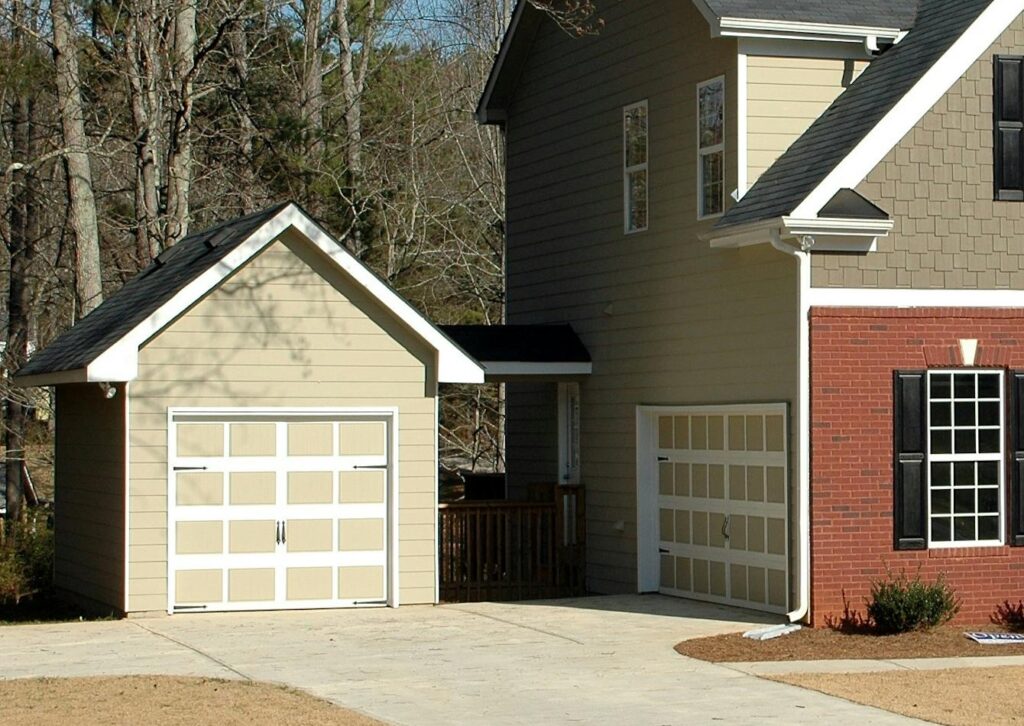
Exterior lighting installation is one of the highest return improvements you can make to a home. Curb appeal studies consistently rank outdoor lighting near the top for buyer impact. A home that glows warmly at 6 PM in November simply shows better than a dark one. Photos for online listings look dramatically better with landscape and architectural lighting. Buyers notice, and appraisers notice too. The project often returns more than it costs at resale.
Energy efficient exterior lighting installation adds ongoing savings to that one time value boost. LED systems sip electricity compared to the halogen floods on older homes. Timers, photocells, and motion sensors ensure nothing burns all night by accident. Lower operating cost means you can light more of the property without guilt. Those savings compound every month for the life of the system. Efficiency and beauty are not a tradeoff anymore.
Usability might be the value you feel most from exterior lighting installation. A lit patio extends grilling season deep into fall. A bright driveway makes unloading groceries after work painless. Kids can shoot baskets after dinner, and the dog can go out without a flashlight escort. Your property becomes fully usable for the 15 hours of darkness that midwinter brings. That daily quality of life is worth more than any appraisal line item.
Why Choose Gragg Electrical Services for Exterior Lighting Installation
Gragg Electrical Services brings more than 20 years of proven local experience to every exterior lighting installation. We are based at 333 Cedar St S in East Canton, and we serve Canton, North Canton, Massillon, Louisville, Hartville, and the surrounding communities. Our electricians know Stark County soil, weather, and code requirements because we work here every day. We pull the permits, follow the NEC, and pass inspection the first time. Local roots mean we answer for our work long after the trench is filled. Your neighbors are our references.
Our crews treat your property with respect from the first estimate to the final walkthrough. We protect landscaping during trenching, clean up every scrap, and leave your yard the way we found it. We show up on time, explain the work in plain language, and never surprise you with hidden charges. Every exterior lighting installation is backed by our Lifetime Craftsmanship Guarantee. If our workmanship ever fails, we make it right. That promise is why homeowners call us back for project after project.
We also make exterior lighting installation easy to schedule and easy to afford. Financing is available through GreenSky and Turns, so you can light your whole property now and pay over time. Our 24/7 emergency line means we are always on standby if anything electrical goes wrong. The clocks fall back the first Sunday of November, and installation calendars fill fast in October. Call Gragg Electrical Services today at (330) 488-8009 or email info@graggelectrical.com for a free estimate. Beat the time change and come home to a bright, safe, welcoming house.